by Arthipo | 15 September 2021 | History of Art
Troy Ancient City
The ancient city of Troy is a historical place that became very popular after the blockbuster movie Brad Pitt played in it. The story of a big city dragged into a decade-long war over the kidnapping of Helen, the most beautiful woman in the world, is irresistibly dramatic and tragic. Troy is within the borders of Canakkale province of Turkey today. Canakkale city center is half an hour away by car.
Ancient City of Troy Architecture
Troy II (2600-1950 BC) doubled as the previous one and featured a smaller town and upper castle. The walls protected the upper acropolis, which housed the megaron-style palace for the king. It is seen that it was destroyed by a great fire in the archaeological excavations in the second phase, but the Trojans, II. They rebuilt it to form a fortified fortress, larger than Troy but containing smaller and denser houses. It is thought that the reason for this dense and fortified structuring is an economic recession and an increase in external threats. The construction of the city walls, which covered a larger area, continued in Troy III, IV and V.
Troy VI can be characterized by the construction of the columns at the south gate. The columns are not thought to support any structure, but have an altar-like base and impressive size. This structure is probably thought to be the place where the city performed its religious rituals. Another characteristic feature of Troy VI; It is a tightly packed enclosure near the castle and the construction of many cobblestone streets. Although there are only a few houses, this is because of its reconstruction on the hills of Troy VIIa.

Troy Ancient City
Also discovered in 1890, this VI. Mycenaean pottery was found in the Trojan layer. This pottery shows that during Troy IV the Trojans still traded with the Greeks and the Aegean. In addition, cremation tombs were found 400 meters south of the castle. This provided evidence of a small lower city south of the Hellenistic city walls. Although the size of this city is unknown due to erosion and regular construction activities, when it was discovered by Blegen during the excavation of the site in 1953, a ditch was found that could be used to defend the settlements just above the bedrock. Moreover, it is probable that the small settlement south of the wall itself was used as a barrier to protect the main city walls and the castle.
Whether Troy belongs to the Anatolian or Mycenaean civilization is still a matter of debate. Although the city has a presence in the Aegean, the ceramic finds and architecture strongly hint at its Anatolian orientation, in addition, many of the Luwian city-states dominated the region and Aegean trade during the early Trojan periods (Troy I-VII). Like the Luwian cities along the Aegean coast, Troy is likely to be a Luwian city in the light of the ruins found in the excavations. Only one percent of the pottery found during the Troy VI excavation belongs to the Mycenaean civilization. The city’s great walls and gates are closely related to many other Anatolian designs. Also, the practice of cremation is a feature of Anatolian culture. Cremation is never seen in the Mycenaean world. Anatolian hieroglyphs were also unearthed in 1995, along with the bronze seals marked with the Anatolian hieroglyph Luwian script. These seals were occasionally seen in about 20 other Anatolian and Syrian cities (1280 – 1175 BC).

Ancient City of Troy Architecture
Troy VI continued its long-distance commercial dominance during this period, and its population saw the zenith of its establishment, housed between 5,000 and 10,000 people, and rose to the status of an important city. Troy’s location was extremely convenient in the Early Bronze Age. During the Middle and Late Bronze Ages, Afghanistan was the common point for a long-distance trading region reaching as far as the Persian Gulf, the Baltic Region, Egypt, and the western Mediterranean. Commercial products thought to have passed through Troy VI in the middle and early period can be seen from the remains of hundreds of shipwrecks found along the Turkish coast of various products such as metals from the east and perfumes and oils from the west. There was an abundance of trade goods on these ships, and some of the ships are observed to be carrying more than 15 tons of goods.
How Troy Ancient City Was Destroyed
Troy VI was destroyed by a possible earthquake around 1250 BC. Except for an arrowhead, no body remains were found in this layer, but the city quickly healed and was rebuilt more regularly. With this reconstruction, the city center continued its trend of having a heavily fortified castle to protect the outer edge of the city against earthquakes and sieges.

Troy Walls, How Troy Ancient City Was Destroyed
Historical Artifacts Found in Troy
Goods discovered in the shipwrecks include copper, tin, glass ingots, bronze tools, weapons, ebony, ivory, ostrich egg shells, jewellery, and pottery from different cultures from all over the Mediterranean. From the Bronze Age, 63 of the 210 shipwrecks discovered in the Mediterranean have been discovered along Turkey’s coastline, but remains at the site of Troy are minimal. It is seen that very few of his goods found in Troy VI layer have been documented. The likely result is that there were few commercial centers and low trade volume during the Late Bronze Age. Troy is in the north of the biggest commercial routes, so it would be more accurate to define Troy as ‘a metropolis that contributes significantly to trade’ rather than directly as a commercial center.

Pots
Historical Artifacts Found in Troy
B.C. Dating to the middle of the 13th century, Troy VII is the strongest candidate for Homeric Troy, as it was revealed during excavations that this universe was destroyed by war. End of Troy VII and estimated BC. Evidence of the fires and massacres that took place in 1184 caused this universe to be identified with the city besieged by the Achaeans during the Trojan War, and the Trojan War was immortalized in the Iliad Epic written by Homer.

Pots
Historical Artifacts Found in Troy
The period of Troy VIII (700 BC) is known as Hellenistic Troy. Hellenistic Troy is culturally similar to the rest of the Aegean. The events experienced in this period were transferred to the present day by Greek and Roman historians after the period.
The city, after an eleven-day siege BC. In 85 BC it was destroyed by Sulla’s rival, the Roman general Fimbria. Later that year, when Sulla defeated Fimbria, he helped rebuild the city to reward his loyalty.

Relief
Historical Artifacts Found in Troy
Trojan Horse
Large hollow wooden horse built by the Greeks during the Trojan War to enter Troy. The horse was made by Epeius, a master carpenter and boxer. The Trojan horse continues to be used in our daily lives today. Programs that are installed on computers like a good program but actually allow a foreign person to take control of the computer are called trojan horses. Just like it was 3000 years ago.

Troy Trojan Horse Model
by Arthipo | 15 September 2021 | History of Art
The historical development and current use of illustration drawings is the main subject of the article.
What is Illustration, Its Historical Development
Throughout history, humanity has used narrative images to tell stories. The earliest recorded illustrations appear in cave paintings created in Lascaux, France, around 15,000 BC. These images contained back-to-back pictorial representations or logograms detailing key events. In the ancient civilizations of Greece and Italy, art flourished to honor gods, humanity, and cultures. Pictures of heroes and festivals, mythological tales and literature, funeral scenes and sporting events were drawn and engraved on ceremonial vessels. Illustrative murals and floor mosaics were created to decorate the homes of the rich and powerful.
Written by an international team of illustration historians, practitioners and educators, The History of Illustration covers the history of image making and printing from around the world, from prehistory to the present. The book presents information in a flowing chronology by contextualizing many types of illustrations within social, cultural and technical parameters, and is complemented by self-reflective “Theme Boxes” on vital issues, arguments and technical issues in this field.
To create a comprehensive history, vast amounts of interconnected information are synthesized in a basic manual rather than an encyclopedic encapsulation that would be too large for practical use in the classroom; ie a comprehensive and organized reference. The book also includes a timeline to highlight relevant historical events and innovations combined with key developments in illustration. This volume also includes a summary, index, and comprehensive bibliography.
The learning outcomes of a history of illustration emphasize the ability to critically analyze images from technical, cultural and ideological perspectives, achieving both historical and contemporary illustration. Thus, students will be able to apply these critical skills to bring intellectual rigor to current illustration production and visual work in illustration.
Courses in the history of illustration have so far been taught without the use of a textbook, meaning that content and quality vary by instructor; Most do not have formal history education. The coherence of history suffers across the field, as it relies heavily on unreliable sources. Dates ignore the global in favor of the local or the national. Links with other fields such as media studies, art and design backgrounds are not well developed. The History of Illustration provides a reliable, consistent level of education and a shared body of knowledge from which further studies can progress.
One consequence of the lack of a history book is that people outside the field of illustration have developed the erroneous impression that the field of illustration lacks a distinctive tradition or philosophy and is not an academically rigorous discipline. By presenting practitioners as both critical thinkers and makers, History of Illustration provides a much-needed counterpoint to myopic art histories that ignore or defame illustration.
Illustration in the Middle Ages
In the Middle Ages, narrative pictures appeared in illuminated manuscripts. The primary reason for the preservation and copying of books is the Christian belief in the sanctity of religious writings. Monasteries were centers of cultural, educational, and intellectual activity, and studio spaces called “scriptoria” were provided for writing, copying, and illuminating books. From the 14th century, Renaissance artists introduced new music, literature, art, and publications that could be mass produced and distributed, with the invention of a mechanical printing process by Johannes Gutenberg in 1452. Engravings brought images, ideas, and entertainment to a wide audience and allowed people outside the upper class to experience the art.
With the onset of the Industrial Revolution in the mid-1700s, printing technology developed rapidly and more publications were distributed and seen. Illustration began to appear more often in daily life. British woodcarver and publisher Thomas Bewick set up a studio for the creation and printing of commercial illustrations used for many purposes, including works for children, educational materials for schools, natural history plaques and title page art for books. Newspapers are increasingly decorated with engravings.
The profession of illustration is fully established in the early 1800s. British and French cartoonists made their living independently as full-time illustrators by selling etched or engraved prints through small, gallery-like print shops and city street book stalls. This made drawing accessible and affordable. Books by Charles Dickens and other popular authors are illustrated throughout. In the late 1800s, under the influence of the first generation of successful American narrative painters led by Howard Pyle, dedicated young artists such as Jessie Willcox Smith, Elizabeth Shippen Green, Frank E. Schoonover, NC Wyeth, and others saw careers can be made. Publishers soon realized that illustrations helped sell magazine subscriptions and increase ad revenue. Strong and consistent sales allowed for more original art commissions and the illustration business was fully established.
Illustration in the 20th Century
In fact, illustration was beginning to be seen as a necessity by publishers, and competition between publications for a limited number of fine illustrators led to increased budgets for art, higher wages, and greater recognition for artists. Top illustrators have become well-known figures, and Charles Dana Gibson and John Held, Jr. Some have reached celebrity status, such as Magazine covers and story illustrations by Howard Christy Chandler, James Montgomery Flagg, C. Coles Phillips, JC Leyendecker and Norman Rockwell have been seen by millions across America. Walt Disney established himself in this field by making popular cartoon shorts such as Steamboat Willie (1928), the first sound cartoon, and continued to create animated feature films. Snow White began production in 1934 (released in 1937) and Pinocchio. in 1936 (released in 1940).
The magazine publishing industry grew rapidly in the 1950s, after a long recession during the Great Depression and World War II. The Saturday Evening Post and Look were the last general interest magazines that continued to publish articles on current affairs, short fiction, and features on family life, arts and entertainment. Women’s magazines of the era, including Ladies’ Home Journal, Cosmopolitan, Good Housekeeping, and others, were major publications that were extensively illustrated. They paid high fees to top painters of the day, such as Al Parker, Jon Whitcomb, Austin Briggs, Coby Whitmore, Joe De Mers, Bernie D’Andrea, and Lorraine Fox.
In the 20th century, many graduates from television cartoons and the Walt Disney movies of the 1990s have observed the evolution of animated films like Beauty and the Beast, Aladdin, and The Lion King like Toy Story, Shrek, and Finding Nemo. Boasting innovative digital production. The gaming industry has also evolved significantly, and technologically advanced video games like Final Fantasy were ripe for being made into movies. The publishers of Marvel comics have entered the movie industry at full throttle with both live-action and animation features. The relationship between the games industry, the comics industry, and the film industry became more closely linked, and illustrators played an important role in many aspects of production, helping to visualize worlds that were otherwise unimaginable.
Illustration What is, Its Historical Development Middle Ages Use of, Advertising, Film Movie Book Industry The magazine publishing industry
illustration at academy
Illustration, which is interdisciplinary in nature, generally focuses on visual arts, design, literature, world history, sociology, science, media, etc. It is seen as an addition to various disciplines and thus fell into a taxonomic rift in the academic world. The History of Illustration is an important step in revealing the centrality of image and text production in terms of human effort and more appropriately presents illustration as both connected and productive throughout its history. The History of Illustration completes the recent emergence of Illustration Studies as a new discipline in Visual Studies and the Humanities.
In the Museum: With the increasing focus on visual culture in recent years, museums have begun to organize exhibitions that feature or feature illustrations. But due to the historical neglect of Illustration Works, few curators are aware of the techniques unique to illustrators, the technology of commercial printing, or the traditions of illustration valuation among illustrators and illustration collectors. The History of Illustration serves as a starting point for museum professionals who are new to illustration and may also be made available as part of educational programs in museums.
Illustration around the world
Educating students in critical visual literacy is the primary goal of this book, as illustration is used to support worldviews and disseminate knowledge. In addition to traditional print formats, illustrations thrive on websites and apps, modeling scientific theories and specializing in film work.
by Arthipo | 15 September 2021 | History of Art
American Art History
The main topic of the American art history article is to examine the development of art in the United States. The subject does not cover continental America in general.
Native American Art
Rich, complex artistic traditions developed among the many indigenous tribes who used intricate geometric patterns and developed a highly stylized vocabulary that used almost abstract forms that both evoked the natural world and symbolized ancestral and mythological stories. The objects were often utilitarian and also imbued with ritual significance. However, the first Native American art movement included more than 25 Iroquois artists who used drawing, painting, and printmaking to realistically depict their tribe’s beliefs, history, fashion, and lifestyle. In the early 1900s, Native American art began to gain national and international attention. Kiowa Six, Spencer Asah, James Auchiah, Jack Hokeah, Stephen Mopope, Lois Smoky, and Monroe Tsatoke all used Ledger drawings using strongly outlined, dark flat areas.
American Art History Folk art
Much of American folk art is utilitarian in nature; Various works and painting were made, from framed embroideries and velvet paintings for wall decorations. Early American folk painters were called “Limiters,” from the term calcification meaning “to draw outlines in clear, sharp detail.” Often self-taught sailors would travel from town to town and make a living by offering to paint everything from signage to farm implements and cars for local merchants. While the colonies reflected British cultural values that saw the portrait as a sign of social standing, fine art portraitists such as French-born Henrietta Johnston, who immigrated to Charleston, South Carolina, around 1705, were drawn to the cities.
American Architecture
Thomas Jefferson, the third president of the United States, was an innovative architect, and his design for his Virginia home, Monticello (1772-1809), exemplified the Neoclassical style using a Palladian portico with four colored columns. Benjamin Henry Latrobe initiated what is known as the Federal style of choice for official buildings.
Beaux-Arts architecture, which developed around 1830 in the context of Neoclassicism, rejected the formality of Neoclassicism to include elements from Renaissance, Baroque, and Late Gothic architecture. In the United States, the Beaux-Arts style, led by Richard Morris Hunt, became known as the “American Renaissance” or “American Classicism”. The highly influential Art Nouveau movement, which began in 1890 and was influenced by the British Arts and Crafts movement and Japonism, included organic, flowing, floral motifs.
Hudson River School (1826-1870)
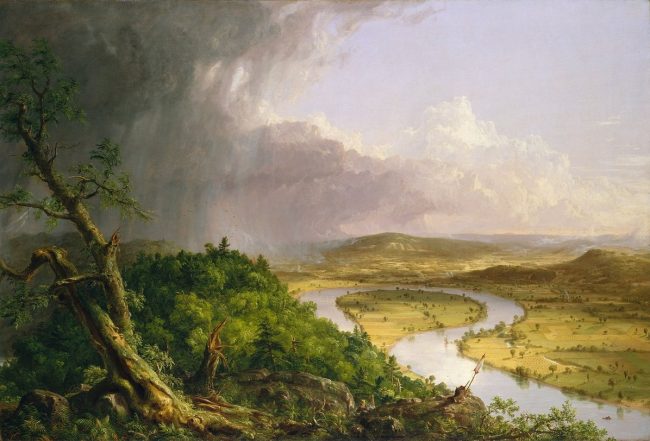
Led by the Hudson River School, Thomas Cole was born in England but immigrated to the United States at the age of seventeen, the first recognized American art movement. Centered in the then-wild upper New York state, artists associated with the movement emphasized the sublime and unique beauty of the American landscape. Influenced by Romanticism’s sublime concept and Naturalism’s emphasis on precisely observed detail, Cole’s landscapes such as Kaaterskill Upper Fall, the Catskill Mountains (1825) and Dunlap Lake with Dead Trees (Catskill) (1825) depicted American scenes to evoke the boundless possibilities of the new. American Art History.
American Art History
Hudson River School
Thomas Cole (1801–1848), The Oxbow, View from Mount Holyoke, Northampton, Massachusetts, after a Thunderstorm (1836), Metropolitan Museum of Art
Luminous (1850-1875)
The term luminism was coined by art historians in the 1950s to describe a style that developed among a number of American landscape painters between 1850 and 1870. John Frederick Kensett, who led the movement, emphasized the landscape itself rather than human presence.
Tonalism (1870-1915)
Tonalism emerged in the early 1870s in James McNeill Whistler’s Nocturnes series, which often emphasized tonal harmonies of muted greens, blues, and darks to depict landscapes at dusk. While contemporary artist Inness emphasized spiritual expression in works such as Sunrise (1887), using gold and brown tones to depict a landscape at sunrise or sunset, another artist of the period, Ryder, incorporated a mythological narrative element into his mysterious landscapes, often forerunners of Symbolism.
American Impressionism (1880-1920)
It was the French Impressionists who primarily inspired and influenced American Impressionism. Mary Cassatt became America’s first recognized Impressionist. When he moved to Paris in 1866, he became close friends with Edgar Degas and became associated and exhibited with many of the leading Impressionists. Her work, full of vibrant colors and expressive brushstrokes, often depicted many depictions of a mother and child as well as intimate gatherings in relaxed bourgeois settings, and was immensely popular in the United States.
Ashcan School (1900-1915)
The Ashcan School was a group of artists, including John Sloan, George Luks, Everett Shinn, and William James Glackens, all of Robert Henri’s students in Philadelphia at the time. Drawing on old masters, including Diego Velazquez, Francisco de Goya, and later Realists such as Édouard Manet, the group used classical methods to create realistic and gritty scenes of modern, working-class life, or what Henri called “art for life.”
Synchroism (1912-1924)
Synchronism emphasized abstract paintings that primarily used the color scale to create a visual “symphony” or musical effect. Young Americans Morgan Russell and Stanton Macdonald-Wright, both living in Paris, founded America’s first avant-garde movement in 1912.
Harlem Renaissance (1920-1940)
The term Harlem Renaissance describes a time when music, literature, theatre, painting and sculpture flourished within the rich and vibrant culture of New York’s Harlem neighborhood. Known for different styles, the movement was developed by author Alain Locke.
Fourteenth Street School (1920-1940)
The term Fourteenth Street School was coined in the 1950s, 1920s, and 1930s to describe the works of Kenneth Hayes Miller, Isabel Bishop, and Reginald Marsh. Its subjects were drawn from the New York neighborhood around Union Square and Fourteenth Avenue. Known as “Poor Man’s 5th Avenue,” the area was a booming business center with retail stores offering the latest fashion at cheap prices, whose sales attracted thousands of middle-class customers. Because of its realistic take on modern life, the movement was often included in Social Realism.
American Regionalism (1928-1943)
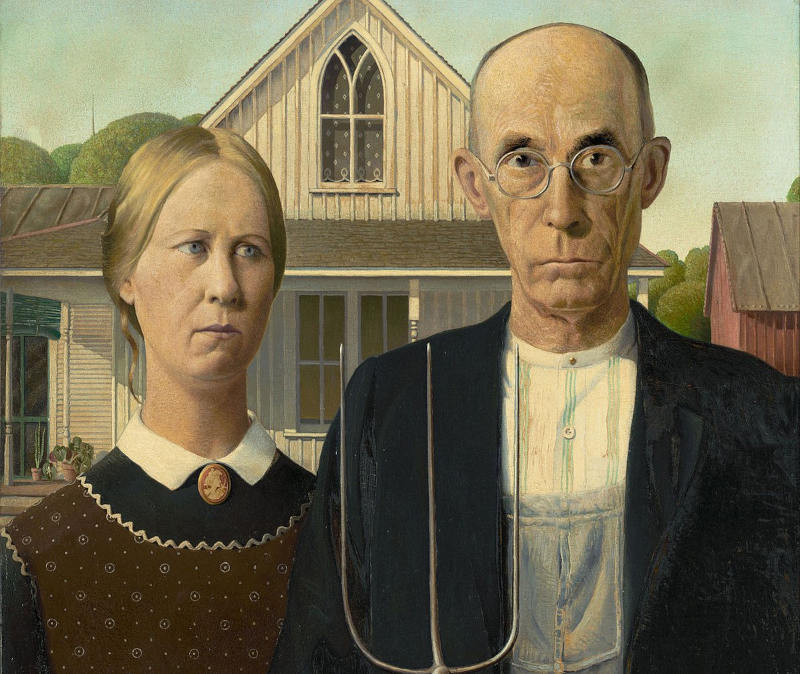
American Regionalism was not a deliberately formed movement, but a style and approach that developed organically in the works of Thomas Hart Benton, John Steuart Curry, and Grant Wood. These three artists emphasized realistic depictions of rural life and mundane situations, and each was associated with a particular region.
American Art History Social Realism (1929-1960)
Social Realism developed spontaneously among artists who emphasized realistic depictions of the lower class and working class, often in an urban setting, to radically transform society. Focusing on the plight of workers, artists associated with the movement were influenced by Jose Clemente Orozco’s murals, the rise of workers’ rights organizations, and the call for workers’ rights by left-wing organizations such as the John Reed Society.
Abstract Expressionism, Color Field Painting, Postpainting and Hard Edge Abstraction (1943-1965)
Abstract Expressionism began in New York in the early 1940s and has been led by Jackson Pollock, Clyfford Still, Willem de Kooning, Mark Rothko, and Adolph Gottlieb. While leading Surrealists fled Europe for New York during World War II, Abstract Expressionists were impressed by Surrealism’s emphasis on automatism, an art that tapped into the unconscious. As artists began their careers painting representational images, they moved towards increasing abstraction.
In 1952, influential art critic Harold Rosenberg, in his essay “The American Action Painters,” focused on the artist’s action in deciding to paint, thus coining the term Action Painting in favor of Abstract Expressionism. Rosenberg has associated Franz Kline, Willem de Kooning, and Jackson Pollock with the term, as their work emphasizes the event and process of painting itself.
In the San Francisco Bay Area around 1950, David Park, Richard Diebenkorn, and Elmer Bischoff rejected pure abstraction in favor of figurative subjects. Bay Area Painters also included Manuel Neri, Nathan Oliveira, and Joan Brown.
He also rejected a number of second-generation Abstract Expressionist movements in the mid-1950s, including Jack Beal, Jane Freilicher, and Nell Blaine, and turned to figurative art. A loose association of New York artists, including Fairfield Porter, Alex Katz, and Lois Dodd, put a new emphasis on realism known as Contemporary Realism.
Neo-Dada (1952-1970)
Beginning in 1952, Neo-Dada flourished as Jasper Johns, Allan Kaprow, and Robert Rauschenberg began using “readymades”, mass media, and performances. Artists rejected the existentialist heroes associated with Abstract Expressionism in favor of mundane subjects and blurred the traditional boundaries between media.
Allan Kaprow created “environments” using sculptural collages to create installation pieces, and later added auditory components after taking Cage’s class. He developed the term “events” to describe semi-theatrical events in which the Futurist concept of event transcends all boundaries and, under the influence of Dada’s emphasis on the role of chance, the boundary between event and audience is broken.
Many Fluxus artists were interested in Neo-Dada and events, including George Brecht, Robert Whitman, and Robert Watts. Described as an “anti-art” movement, Fluxus had utopian goals such as changing one’s relationship with art and emphasizing the mastery of everyday objects and actions. American Art History Dick Higgins, Jackson Mac Low, and leading members of the Al Hans group met in Cage’s 1959 class at the New School. Fluxus artists often used humor to underline and reject high art. Fluxus was an international movement that also included Yoko Ono, Nam June Paik, and Joseph Beuys.
Pop Art and Photorealism (1950-1970)
Pop Art was an international movement that started in England in 1952 under the leadership of the Independent Group, which included Richard Hamilton, Eduardo Paolozzi, and architects Alison and Peter Smithson, but the American version became the trend-setting and dominant form. Artists led by Andy Warhol, Roy Lichtenstein, Claes Oldenburg, and James Rosenquist used images from mass media and popular culture to challenge the distinction between “high” and “low” art and to criticize and celebrate consumer culture. Warhol, Rosenquist, and Ed Ruscha were influenced by their early work as graphic designers and illustrators.

Pop Art, Photo Reality American Art History
Minimalism and Post-Minimalism (1960 to Present)
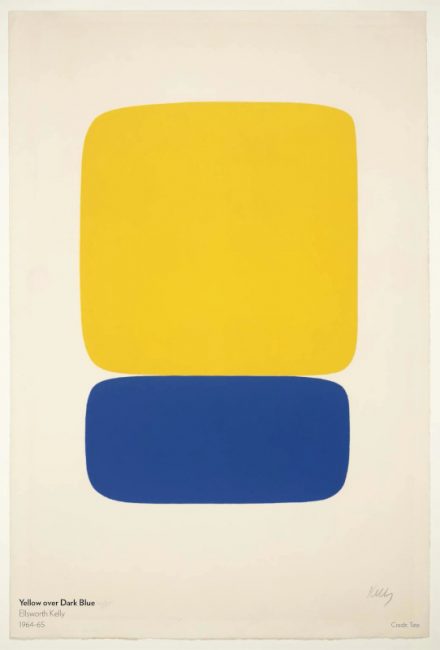
In New York City in the early 1960s, minimalist artists such as Donald Judd, Carl Andre, Sol LeWitt and Robert Morris created works from industrial materials using a cool and anonymous approach. Influenced by Russian Constructivism, Minimalists emphasized the importance of media perceived by the audience and preferred by industrial materials and fabrication.
Post-Minimalism included a number of trends, including Process Art, Performance and Body Art, Domain-Specific Art, and some aspects of Conceptual Art. Art critic Lucy Lippard curated Eccentric Abstraction in 1968, an exhibition featuring work by Louise Bourgeois, Eva Hesse, and Bruce Nauman. While some Minimalism-associated artists expanded Minimalist interest in anonymous and abstract objects to other areas, others reacted to Minimalism’s cold anonymous approach in favor of emotional expression. Lynda Benglis, Eva Hesse and Louise Bourgeois used resins and latex, while Nancy Graves used materials to simulate animal skins, and the resulting work created an organic expressive effect. Sol LeWitt, Richard Serra, and Vito Acconci were also among the Post-Minimalists.
Minimalism, Post-Minimalism
Based in California and influenced by Minimalism, Robert Irwin began creating large installations using light sources in 1969 and pioneered what is known as the Light and Space movement. Larry Bell, James Turrell, John McCracken, and Helen Pashgian became associated with the movement, using industrial materials including neon and argon lights, cast acrylic and polyester resins to create perceptual experiences. Using new scientific research and technologies, they created works that emphasize the interaction of light and space.
American Art History, World Art, and Environmental Art (1960s – Present)
Earth Art, also called Land Art (earth art) or Earthworks, was a result of Minimalism, as the earth itself became both the material object and the art-specific space, and artists used the site’s available natural materials such as mud, earth, and stone to create large-scale projects appropriate to the importance of the Site. designed it. Nancy Holt, Richard Long, Agnes Denes and Andy Goldsworthy were prominent Earth Work artists.
The movement influenced the development of Environmental Art, also known as ecological art. Emphasizing a non-intrusive approach, Environmental artists saw themselves collaborating with the environment and exploring human interaction with natural environments.
Postmodernism; Conceptual, Feminist, Performance Art (1960s – Present)
In the 1960s, a violent atmosphere of experimentation reigned that led to the development of Conceptual Art, Feminist Art, Body Art, and Performance Art. Although these art movements were international, they played an important role in the development of American artists and subsequently in shaping a range of trends.
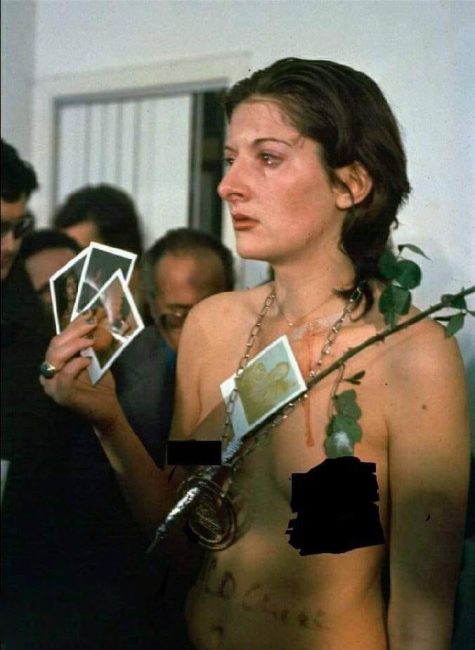
Influenced by the reductionist simplicity of minimalism, Conceptual art emphasized that a business concept is more important than its form or even its completion. Walter de Maria, Ed Ruscha, Marina Abramovic, Dan Graham and German artist Joseph Beuys are just a few of the prominent artists who are part of the movement.
Postmodernism; Conceptual, Feminist, Performance Art, Marina Abramovic
Apart from Feminist Art, the Civil Rights movement, the emerging Gay Pride movement, and anti-war enthusiasm, women’s arts organizations such as the Art Workers Coalition and Women Artists in the Revolution were formed in the late 1960s to address gender inequality and other feminist issues in the arts community. Judy Chicago and Miriam Schapiro founded the California Institute of the Arts’ Feminist Art Project and Womanhouse, a project where women artists can collaborate and create major installations. Mary Beth Edelson, Lynda Benglis, Martha Rosler, Carolee Schneemann, Suzanne Lacy, Leslie Labowitz, Bia Lowe, Barbara Kruger were prominent feminist artists. Judy Chicago became famous for her Dinner Party (1974-79), an iconic example of both Feminist Art and Installation Art, while Carolee Schneemann’s performances spearheaded the Feminist, Body Art, and Performance movements.
Performance art in the 1960s emphasized live events where the artist, sometimes with collaborators or performers, erased all boundaries between artist and work of art. The international movement was based on a number of early avant-garde trends, including Dada, Futurism, and Surrealism. Performers often faced the audience by staging what are sometimes called “acts”.
The subject of American Art History is explained in detail in the article.
by Arthipo | 15 September 2021 | History of Art
German Art History
German art history has an important place in world art history in fields such as visual arts, architecture and literature. In order to understand German thought, a deep study is required.
Visual arts
Germany has a strong and rich tradition in the visual arts. Gothic-style paintings and sculptures, popular in France and Germany, were often made to decorate churches, and illuminated manuscripts and stained glass were also created. XV. The design of altarpieces combining the arts of painting, sculpture, and architecture in the 19th century became a popular pursuit, and the rise of book printing led to the design of many fine engraving illustrations. XV. and XVI. In the late 19th century, a generation of German artists emerged, including Albrecht Dürer, Lucas Cranach, Matthias Grünewald, and Hans Holbein the Younger, working in a style influenced by the Italian Renaissance, and their work represented a golden age in German art. During this period, the Protestant Reformation of the 1520s led to the destruction of some arts that were considered pagan, as seen in Dürer’s numerous self-portraits, giving rise to more secular subjects.
The next generation of artists explored French and Italian variations on the Baroque and Rococo, but German art remained in the XVIII century of a calm Neoclassicism championed by the theorist Johann Winckelmann and a number of new art academies. It did not develop a definite national character until the middle of the century.
German painters of the 20th century, particularly groups such as Die Brücke (“The Bridge”) and Der Blaue Reiter (“The Blue Rider”), developed a new Expressionist trend in European art. From 1916, Kurt Schwitters, George Grosz, Hannah Höch, John Heartfield, and others explored Dada’s more theoretical concerns, while in the 1920s artists such as Otto Dix and photographer August Sander worked in the realistic, socially critical style known as Neue.
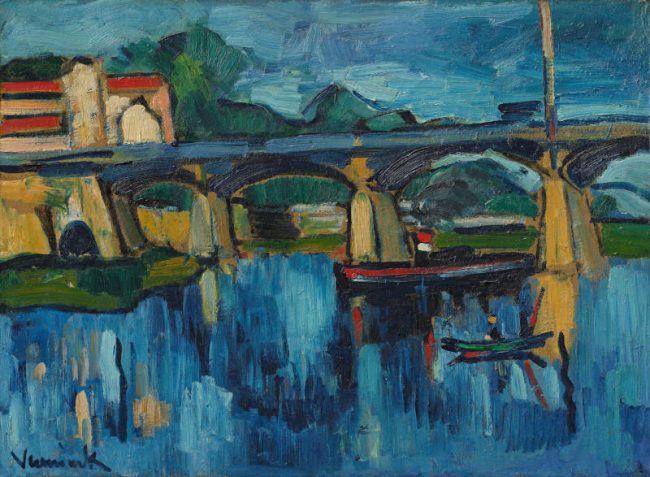
Museum Barberini, Maurice de Vlaminck: Die Brücke von Chatou
These and other developments stopped with the rise of the National Socialists in 1933. Hitler and the Nazi regime condemned modern art by staging the “Entartete Kunst” (Degenerate Art) show in 1937 in an attempt to ridicule artists such as Wassily Kandinsky, Emil Nolde, and Ernst Ludwig Kirchner. Conservative German landscape art was instead promoted as an ideal art form.
After the Second World War, a form of Socialist Realism artistic practice dominated East Germany. However, in West Germany, many artists tried avant-garde movements such as Abstract Expressionism, Pop art, minimalism and Op art. In the 1960s, Joseph Beuys created sculpture, performance art, and installation art that challenged the definition of “high art.” Combining materials such as oil and felt, Beuys’ work represented an individual approach to Pop art’s aim to bring art into the realm of everyday experience. Perhaps the most notable German of the 1970s, known for his figure-based paintings, Gerhard Richter’s beautifully rendered work blurring the lines between photography and painting media envisioned challenging the traditional forms that would characterize postmodern art. German art was again at the center of the international art world. Neo-Expressionism became the dominant international trend of the 1980s.
German Architecture, German Art History Architectural Features
Throughout its history, German architecture has combined influences from elsewhere in Europe with its national character. In the Middle Ages, it was the Romanesque style that dominated. In the 13th century, as the Gothic style prevailed, some of Germany’s most notable buildings were built, including the cathedrals in Cologne (begun 1248) and Strasbourg (planned in 1277). Variations of Gothic and Renaissance styles predominated in the 15th and 16th centuries, but commissions for elaborate religious buildings declined for a time after the Protestant Reformation. XVII. In the 19th century, the revival of Gothic began as an increasing amount of ornamentation became the main feature of churches and palaces. He embodied the romanticly colored Neoclassicism of Karl Friedrich Schinkel, the state architect of Prussia, in 1815. German Art History: While radical architecture was generally suppressed during this period, some architects inspired in part by the Jugendstil movement, figures such as Henry van de Velde and Peter Behrens, questioned the validity of architecture that seemed so disconnected from modernity at the turn of the century; this type of inquiry, XX. It opened the door to the radical experiments that characterized German architecture in the 19th century.
Contemporary German architecture was the Bauhaus school that emerged in Weimar in the 1920s and is associated with the names Walter Gropius and Ludwig Mies van der Rohe. In the postwar years, there was a puritanical disdain for decorativeness alongside the dogmas of the Bauhaus school – the strict harmony of style with function and the insistence on the intrinsic beauty of materials. Yet in West Germany, as elsewhere in the 1960s and 1970s, the strict Bauhaus style began to yield to a freer postmodernism, which was regarded as “not only function but also fiction.” Prominent representatives of this school include Josef Paul Kleihues, Oswald Mathias Ungers and brothers Rob and Leon Krier.
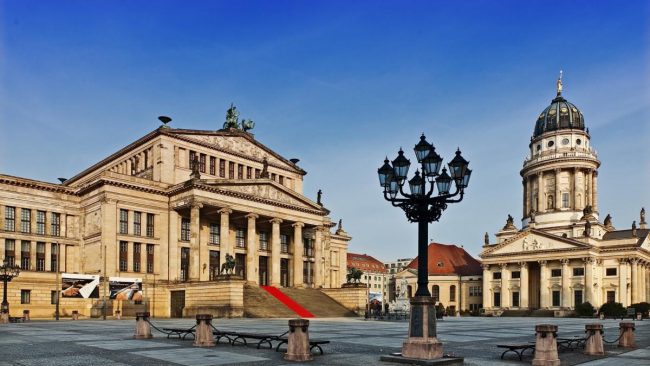
German Architecture, German Art History Architectural Features
Architectural developments in East Germany reflected the influence of Soviet ideological principles and models. Buildings in the eastern region differ from those in West Germany in the multiplicity of their proportions. The main showpieces in the east are Berlin, along Unter den Linden, Marx-Engels-Platz, Alexanderplatz and Karl-Marx-Allee, witnessing government buildings, apartment blocks, hotels and public spaces, and the surprisingly elegant Leipziger-Strasse and their extravagant decorations. Architecture under the communist regime is immediately recognizable not only by the extreme dimensions, whether horizontal or vertical, but also by the monotonous white facades that are lightened by the occasional color clipping. Except where ideological factors intervened (as with the destruction of the Berlin Palace), the East German government had a reasonable record of preserving historic buildings.
Long quiet after the reunification of East and West Germany, Potsdamer Platz in the heart of Berlin was once one of the focal points of Berlin’s economic and administrative life, a series of public and private works by internationally renowned architects such as Renzo Piano, Helmut Jahn and Richard Rogers. revived with the construction of buildings. After some fierce artistic and political debate, a Holocaust memorial designed by Peter Eisenman was unveiled in the area.
German Art History Museums and Galleries
With thousands of museums, Germany houses some of the world’s largest collections of paintings and sculptures or archaeological and scientific exhibitions. Among the important museums and galleries; The Prussian Foundation for Cultural Heritage in Berlin – namely, the Pergamon Museum, the Old (Altes) Museum, the New (Neues) Museum, the National Gallery (Nationalgalerie) and the Bode Museum-Zwinger Museum and Picture Gallery (built by Gottfried Semper) in Dresden, Bavaria The State Picture Galleries and Deutsches Museum in Munich, the German National Museum in Nuremberg, the Roman-Germanic Central Museum Mainz, the Senckenberg Museum of natural sciences in Frankfurt am Main, and the State Gallery in Stuttgart. Some museums are highly specialized, dedicated to a single artist, school, or genre, but most combine natural science with the fine arts. There are many ethnological museums such as the Linden Museum in Stuttgart, the East German Gallery Museum in Regensburg and the Ethnological Museum in Berlin-Dahlem, and many more libraries, archives, castles, cathedrals, churches and monasteries. The Berlin-Dahlem Botanical Garden and Botanical Museum is the oldest German botanical garden, founded in the XVII century. German art history is full of various works.
Die Brucke (Bridge)
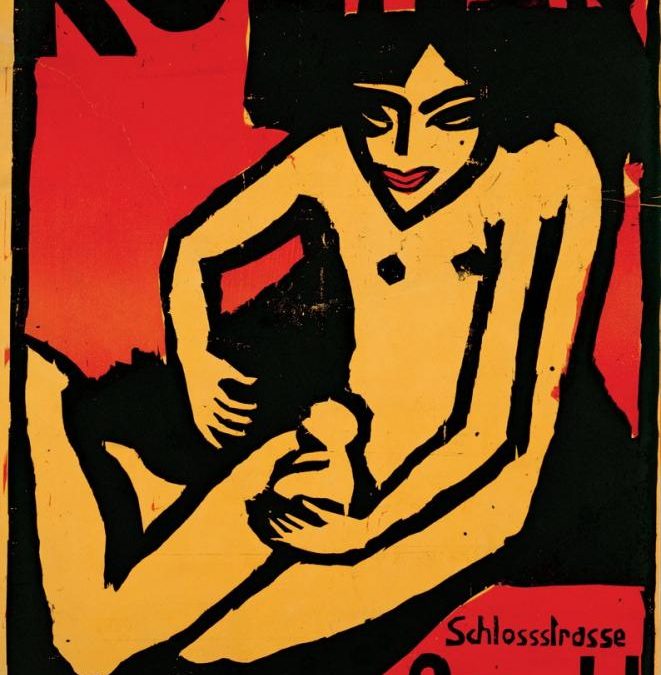
In 1905 a group of German expressionist artists founded “Die Brücke” in Dresden. Die Brücke is sometimes compared to Fauvism.
Both movements were interested in primitive art and expressing extreme emotions through their unconventional use of colour. Both Die Brucke and Fauvism gravitated towards rough drawing, and yet they rejected abstraction altogether because it was important to them that their paintings show emotion. However, Die Brücke artists’ paintings of city streets and sexually explicit scenes tame Fauvism by comparison.
The founding members of Die Brucke were Fritz Bleyl (1880–1966), Erich Heckel (1883–1970), Ernst Ludwig Kirchner (1880–1938) and Karl Schmidt-Rottluff (1884–1976). Later in 1906 Emil Nolde (1867–1956) and Max Pechstein (1881–1955) joined. Otto Mueller (1874–1930) joined in 1910. The group had a strong influence on the evolution of modern art and Expressionism in the 20th century.
The four founding members were Jugendstil architecture and met through the Königliche Technische Hochschule (technical university) in Dresden, where Kirchner and Bleyl began working in 1901 and became close friends in their early years. They discussed art, nature and radical ideology.
Die Brücke artists aimed to reject the traditional academic art style and to find a bridge (hence the name) between past and present artistic movements. They paid tribute to Albrecht Dürer, Matthias Grünewald and Lucas Cranach the Elder, but wanted to incorporate new ideas from contemporary international avant-garde movements.
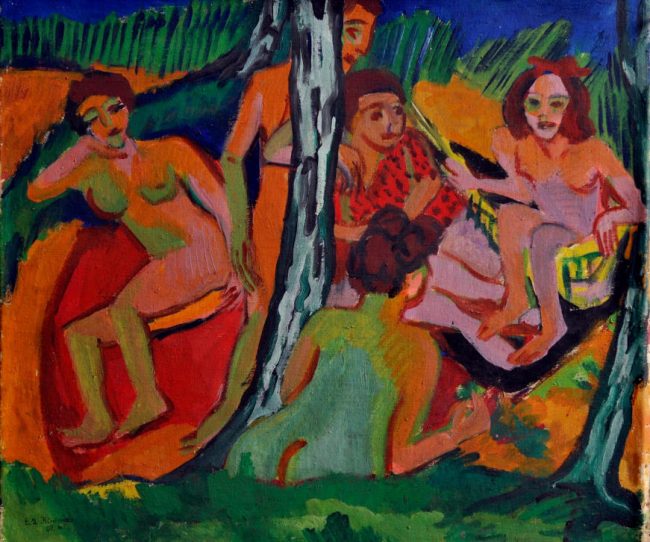
Die Brucke (Bridge)
The group revived ancient media such as gravure prints and invented the linocut printing technique, but at the time defined their work as traditional engraving. They developed a common style based on vibrant colours, emotional tension, violence/sexual imagery, and drew influences from primitivism. They initially focused on the urban issue in Dresden, but thanks to Mueller’s excursions, they began making expeditions to southern Germany. These trips produced quite a few nude and rural scenes.
Group members initially sought to “isolate” themselves from their Dresden bourgeois past and surround themselves with the working class and bohemians. Erich Heckel rented an empty butcher’s shop on Berlinerstrasse in Friedrichstadt as a studio. Fritz Bleyl described the studio as: “A true bohemian filled with ubiquitous paintings, drawings, books and artist’s stuff.
They used models from their social circles, often lovers rather than professionals. They used 15-minute poses to encourage speed and spontaneity. Fritz Bleyl described one such model, Isabella, a fifteen-year-old girl from the neighborhood, as “very lively, well-built, cheerful, undeformed by the silly fashion of the corset, and fully suited to our artistic demands. in case it blooms.”
The Die Brücke artists prepared a manifesto (mostly written by Kirchner), which was then carved into wood so they could mass-produce it. The Manifesto proclaimed a new generation that “wants freedom in our work and in our lives, independence from old, established forces.”
jugendstil
In the mid-1890s, an artistic and architectural style known as Jugendstil emerged. It was originally the German branch of the Art Nouveau movement. The style continued until 1910. The style is named after the Munich magazine “Die Jugend”.
Art historians agree that there were essentially two phases in the Jugendstil movement.
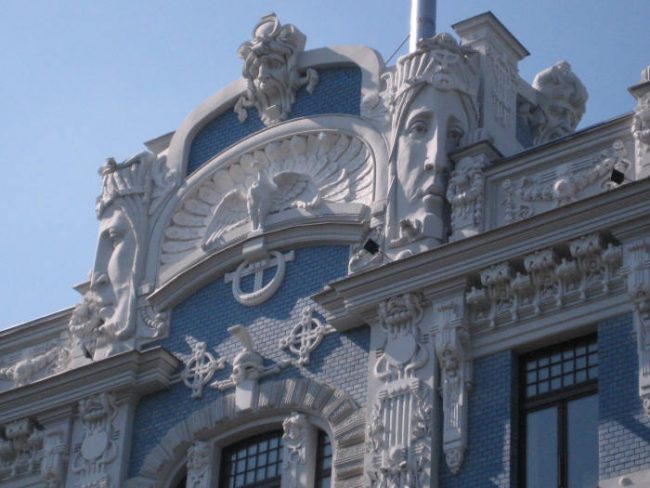
jugendstil
Novembergruppe (November Group)
Novembergruppe was a group of German expressionist artists and architects. Founded on December 3, 1918, they got their name from the month of the German Revolution, as they wanted to be considered revolutionary and insurgent. Novembergruppe artists have described themselves as radical and revolutionary, seeking to change how art is taught and how laws affect artists. Radical artists campaigned for more say in the organization of art schools and new laws on artists. It is one of the prominent groups in German art history.
The abundance of styles among artists makes it difficult to classify as any style. Formally, the group was a fusion of Cubism, Futurism and Expression.
Expressionist art styles, mostly founded by painters César Klein and Max Pechstein (two ringleaders), also incorporated their shared socialist ethic. Other founding members included painters Georg Tappert, Moriz Melzer and Heinrich Richter.
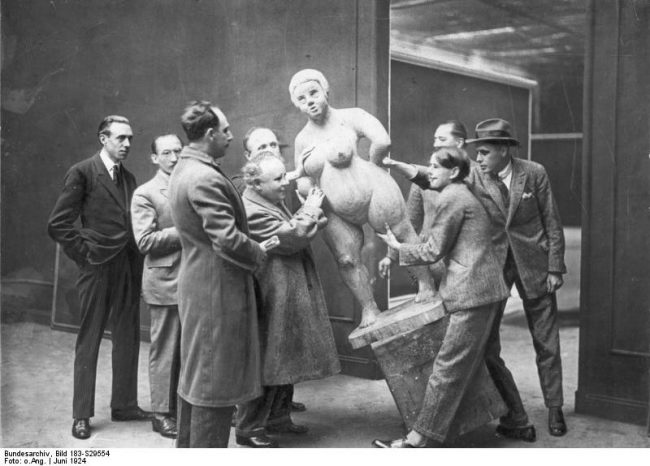
Novembergruppe (November Group)
Karl Jakob Hirsch, Bernhard Hasler, Richard Janthur, Rudolf Bauer, Bruno Krauskopf, Otto Freundlich, Wilhelm Schmid, sculptor Rudolf Belling and architect Erich Mendelsohn attended the first Novembergruppe meeting on 12 March 1918. This was their first working committee.
As its aims were similar to the Arbeitsrat für Kunst, Novembergruppe aimed to support a socialist revolution in Germany.
Their main goal was to bring art to the people by influencing the public and cultural aspects of German society. They frequently organized art festivals, costume parties, studio tours, literary and musical events, as well as the Great Berlin Art Exhibition in June 1924.
Divisions within the Art Movement
In 1921 artists from the extreme left wing of the Novembergruppe called for an end to the “bourgeois development” of artists.
They believed that some artists, namely the right Novembergruppe, made too much money. Left-wing members signed a statement. The signatories were Otto Dix, George Grosz, Raoul Hausmann, John Heartfield, Hannah Höch, Rudolf Schlichter and Georg Scholz.
By 1922 this split in the group led to the group becoming separate groups and the formation of new smaller groups, including the Kartell fortschrittlicher Künstlergruppen in Deutschland (a cartel of advanced arts groups in Germany). As the movement grew, it attracted people from other art fields, including musicians Max Butting and Hans Heinz Stuckenschmidt.
German art history carries with it great masters and great social pains.
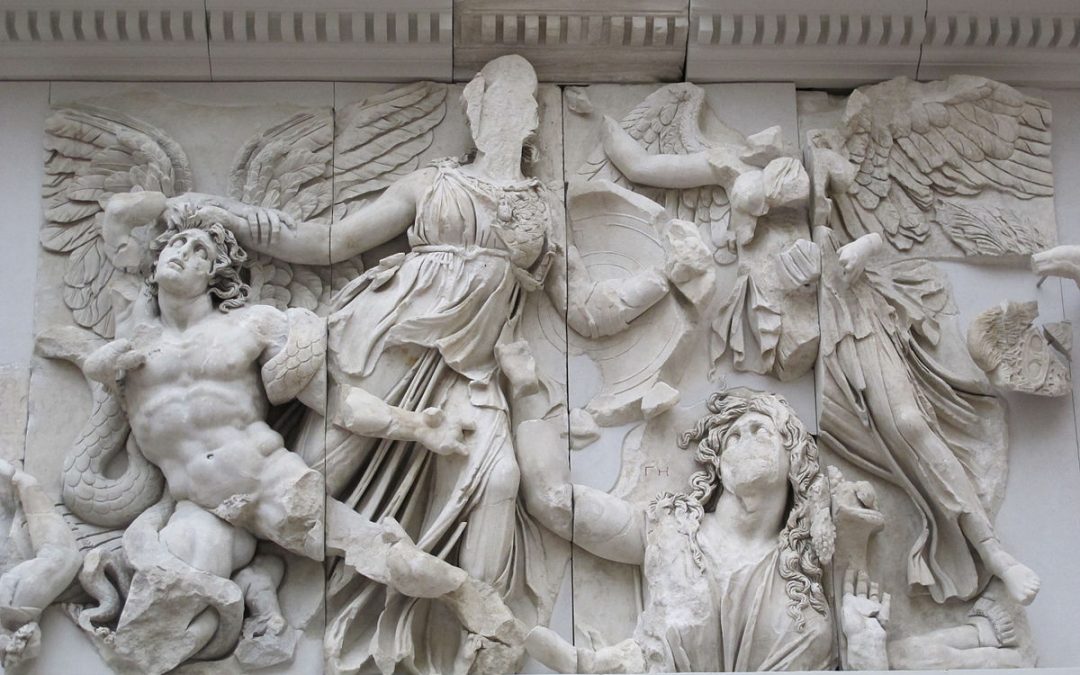
by Arthipo | 14 September 2021 | History of Art
In order to understand the understanding of art in the first age, it is necessary to look at several different periods, Ancient Art Period Characteristics: Hellenistic period, Roman period and Christianity.
Ancient Art Period Characteristics, How Was the Artistic Conception in Ancient Times?
Early antiquity begins in the fifth millennium BC, around 4,500 BC. It is associated with the gradual beginning of civilization in the West. the first “united peoples” or cultures (Sumer, Persia, Akkad, Babylon, Hittite, and Assyria) and the first city-states such as Uruk in Mesopotamia. Increased social organization and cohesion, typically such as Ziggurats, Pyramids, and other elaborate burial types, and the development of metallurgy, such as the use of Copper. Mesopotamia was the first cradle of civilization, followed by Egypt and the lands on both sides of the Nile. The artistic traditions produced by these two cultures (especially Egyptian stonework) had a great influence on successful cultures, especially Ancient Greek cultures. Mesopotamian civilization (Sumerian, Akkadian, Babylonian, Hittite, and Assyrian) spread across Asia Minor, the Levant, and the eastern Mediterranean, and across the Aegean to Crete, the Cyclades, and Mycenae. Aegean art in general is characterized by innovative ceramic art, while Cretan or Minoan art is exemplified by Palace architecture in Knossos, Akrotiri, and elsewhere. It is famous for its goldsmithing and jewellery, exemplified by Mycenaean art from the Protopalatial period and Neopalatial period, Vapheio Trophies, and jewelery carvings (seals). Meanwhile, Egyptian art continued to develop southward.
Ancient Art Period, History of Classical Antiquity
The main influence on the development of art in ancient times was Hellenistic culture and Roman culture. Let’s examine these parts now.
Art of the Archaic Period of Ancient Greece (800-500 BC)
After a period of upheaval in the eastern Mediterranean, triggered by immigration from southern Europe and the Black Sea region, from about 800 BC Ancient Greece began to experience a gradual increase in prosperity and power. So, for example, we see evidence of the first Greek alphabet around 750, while in 776 the first Olympic Games were held in Olympia. In the Archaic era, Ancient Greece was on the border of the Neo-Assyrian Empire and continued to take on elements of its own culture, as well as other Middle Eastern countries, art, as well as religion and mythology. The Archaic period is traditionally said to end with the overthrow of the last tyrant of Athens and the beginning of Athenian Democracy (508 BC). Greek pottery, particularly in the Geometric, Oriental, and Black Figure styles. Sculptures from this period are represented by statues in rigid, hieratic poses, such as the standing naked youth (kouros) and the standing draped girl (korea).
Ancient Greek Classical Art (500-323 BC)
During this period of Classical Antiquity, known as “Classical Greek Culture”, we see the zenith of Greek Civilization, the foundation of all Western Civilization. Classical Greek culture was extremely influential on the Romans, who exported versions of it to all parts of their empire. As a result, Ancient Greek ideas and values had a great influence on the art and architecture of the modern world, especially during the Renaissance art period in Europe and later Neoclassical art and Neoclassical architecture. in 18th Europe and 19th century America. In fact, the humanistic aesthetic and high technical standards of Greek art continued to dominate academic art values in the West until the late 19th century. The Classical Period, which began with the military defeat of the Persians, was dominated by Athens and the League of Delos until about 400 BC. After that, Sparta dominated for a while before hegemony passed to Thebes and the Boeotian League. The final stage was dominated by the Macedonian-led Corinthian League.
Classical Greek art was prominent, along with the colossal chryselephantine statue of Athena Parthenos, the Temple of Zeus at Olympia, the Temple of Hephaestus, the Temple of Athena Nike, and the Theater at Delphi.
Ancient Art Period Characteristics, Hellenistic Period (323-27) BC
The Hellenistic period of Classical Antiquity spans from the death of Alexander the Great in 323 BC to the defining victory of the Romans at the Battle of Actium in 31 BC and the subsequent conquest of Ptolemaic Egypt. He witnessed the spread of Greek culture throughout the Mediterranean Basin and into Europe, Africa, and Asia. For example, Roman art in the West was mostly based on Greek models, while in the East it was the conquests of Alexander the Great. Over the centuries, the Levant led to Greek influence on Central Asian and Indian cultures, leading to forms of Greco-Buddhist art with chain effects as far as Japan. Although the period is often considered inferior to the brilliance of the Greek Classical period, Hellenism ushered in a new, often frustrated, expressionism. Architecture in the ancient city of Ephesus
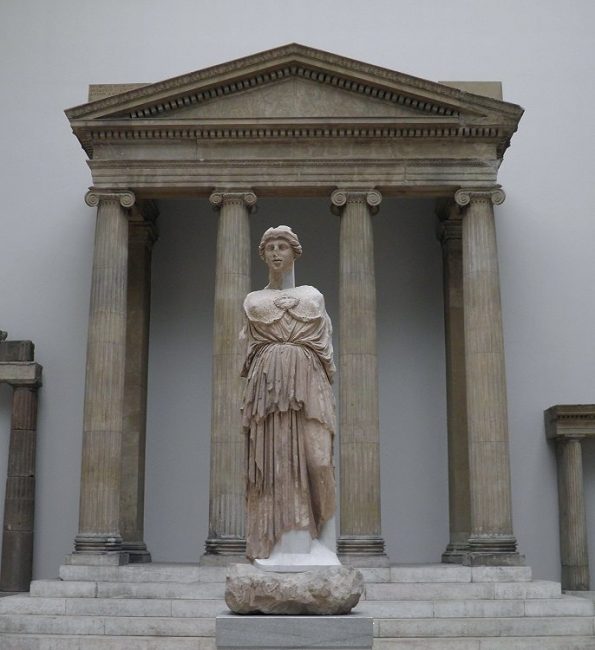
Ancient Art Period Characteristics, Hellenistic Period
Art in the Roman Period (27 BC – 330 AD)
This period spans from the Roman defeat of the Egyptians to the establishment of Byzantium (Constantinople) in 330 AD by Constantine, the new Eastern capital of the Roman Empire. The glorification of Rome through the manufacture of the Pax Romana, covering the entire period of imperial Rome, and tens of thousands of portrait busts of Roman emperors and other notables. Culturally, this period is characterized above all by outstanding Roman architecture ( Pont Du Gard Aqueduct, Titus Arch, Trajan’s Baths, Trajan’s Bridge, Diocletian’s Baths, Arch of Constantine, Roman relief sculptures, Augustan Peace Altar, Trajan’s Column, Antoninus Pius’ Column , and the Column of Marcus Aurelius).
Laocoon and His Son
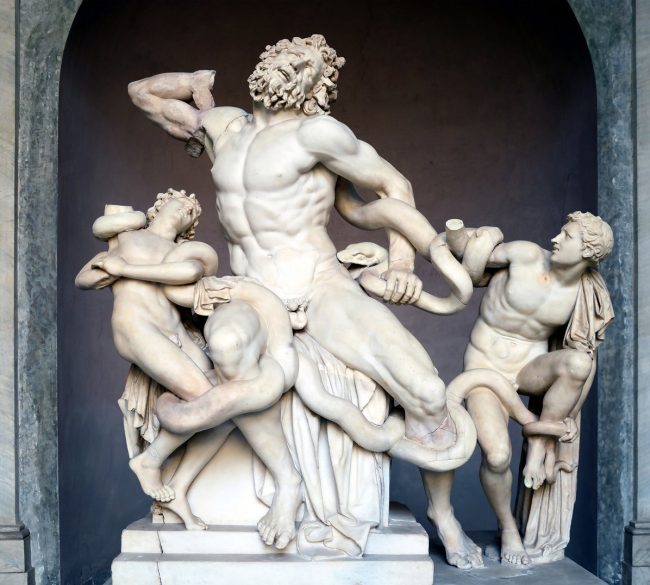
Ancient Art Period Characteristics, Hellenistic Period, Laocoon and Sons
s, Art in Ancient Rome
Art of the Christian Era (330-472)
The final period of Classical Antiquity covers the period of Christianization until the death of Anthemius, the last Roman Emperor in the West. After the fall of Rome, Ravenna became the new Western capital of the Roman Empire. In fact, the European continent would experience four centuries of cultural stagnation, known as the Dark Ages, as the borders of the empire were gradually overrun by the Barbarians. Almost all of our knowledge of early Christian culture and artefacts comes largely from archaeological discoveries.
Unfortunately, very few sacred artworks or designs have survived from the Christian faith of the first three centuries, mostly because the bulk of the early Christians were poor people or slaves. Because of the links between early Christianity and Judaism, and because of the Jewish opposition to images and idolatry due to the Second Command, all images of Christ and the Holy Family would have been banned. However, this Order was not strictly enforced among the Hellenized Jews in the Diaspora. Yet the first examples of this art form appeared around 150 AD, long before Constantine’s Edict of Milan legalized Christianity in 313 AD. Nearly all of these early Christian artifacts were found in the West and were originally based on pagan forms and customs. Cultural highlights of the Christian Period of Classical Antiquity include the magnificent Ravenna Mosaics, as well as architectural masterpieces such as the Basilica of San Vitale, the Chora Church in Constantinople. Ancient Art Period Characteristics.