by Arthipo Author | 9 April 2023 | History of Art
London’s best-known and most loved building is a museum of national and international modern art, located in the capital of the United Kingdom.
Since the Tate Modern opened in 2000, it has become a symbol of London, not just for the art it houses.
They are also called simply Tate, along with Tate Britain, Tate Liverpool, Tate St Ives and Tate Online.
Tate Modern Museum History, Architecture, Artifacts
In 1889, Henry Tate, an industrialist who made his fortune as a sugar refinery, presented his collection of British nineteenth-century art to the nation and provided funds for the first Tate Gallery.
Tate was a major patron of Pre-Raphaelite artists and bequeathed 65 paintings to the National Gallery, including John Everett Millais’ Ophelia 1851–2 and JWWaterhouse’s The Lady of Shalott 1888. The will was rejected by the trustees as it was not sufficient. space in the gallery.
A campaign was launched to create a new gallery dedicated to British art. With a £80,000 donation from Tate himself, the gallery in Millbank, now known as Tate Britain, was built and opened in 1897. Tate’s original testament, along with works from the National Gallery, formed the founding collection.
Art and antiques dealers Sir Joseph Joel Duveen (1843–1908) and his son Lord Joseph Duveen (1869–1939) made significant financial contributions to the original gallery in Millbank. With their support, major extensions were added to the gallery in 1910, including seven new rooms to showcase the Turner Bequest, and the Duveen Sculpture Galleries, the first galleries built specifically for sculpture in England.
Tate Fellows were founded in 1957 as Friends of the Tate Gallery to purchase artwork and raise money to support and promote the gallery’s work.
Their fundraising efforts made it possible to purchase nearly 400 masterpieces for the gallery, including notable works such as Henry Moore’s The King and Queen, Henri Matisse’s The Snail, and Pablo Picasso’s The Weeping Woman.
More than 40 million people have visited the Tate Modern since it opened in May 2000. It is one of the UK’s top three tourist destinations and provides London with an estimated £100m annual economic benefit.
In 2009 Tate embarked on a major project to develop Tate Modern. Working again with Herzog & de Meuron, the converted Tate Modern takes advantage of the power station’s magnificent redundant oil tanks to increase gallery space and provide much improved visitor facilities.
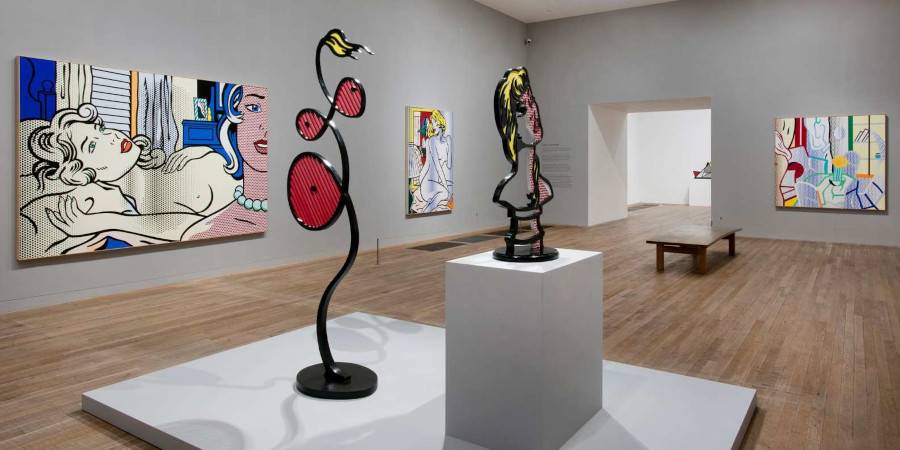
Tate Modern Museum Interior
Tate Modern Museum Architectural Structure, Interiors
In 1995, Swiss architects Herzog & De Meuron were commissioned to convert the Bankside Power Station for this purpose; Their vision was structured around the original features of the building – a magnificent turbine hall 35 meters high and 152 meters long, as well as a boiler room and central chimney.
The great success of the gallery meant that by 2004 it was struggling to control the number of people who wanted to visit. Plans to transform the adjacent switch house were once again made by Herzog & De Meuron.
The new ten-story extension was completed in 2016, increasing the size of Tate Modern by 60 percent. The gallery can now showcase more of its collection and offer dedicated spaces for live art performances. It also has an observation deck with panoramic views of London.
The redevelopment means that the Turbine Hall is now located at the heart of the museum, flanking both sides of the Boiler Room and Key House.
Tate Modern Museum Notable Artifacts
The Turbine Hall stretches throughout the entire building and you can see for free the magnificent work of artists such as Cézanne, Bonnard, Matisse, Picasso, Rothko, DalÍ, Pollock, Warhol and Bourgeois.
In the Natalie Bell Building, you can see how artists come up with new ideas and how they respond to mass media and social change. Along the way you’ll see the work of artists such as Henri Matisse, Dia al-Azzawi, and The Guerrilla Girls. There are also room-sized installations by artists such as Yinka Shonibare CBE, Cildo Meireles, and Sarah Sze.
In the Blavatnik Building you can explore underground Tanks dedicated to performances, installations and video work. You can see the Artist and Contributor exhibition, which looks at artists breaking down barriers between art and real life, including Paul Neagu and Ana Lupas.
Where is Tate Modern Museum, How to Get There, Directions, Visiting Hours, Entrance Fee
Address: Bankside, London SE1 9TG, United Kingdom
By subway from Blackfriars station
You can reach by bus by using the lines 15, 344, 381, 4, 40, 63.
The museum is open Sunday – Thursday 10:00 – 18:00 Friday and Saturday 10:00 – 22:00 and is closed on 24, 25 and 26 December.
Entry is generally paid for everyone, except for some exhibitions.
Disabled visitors pay a concessional fee and admission is free for companions.
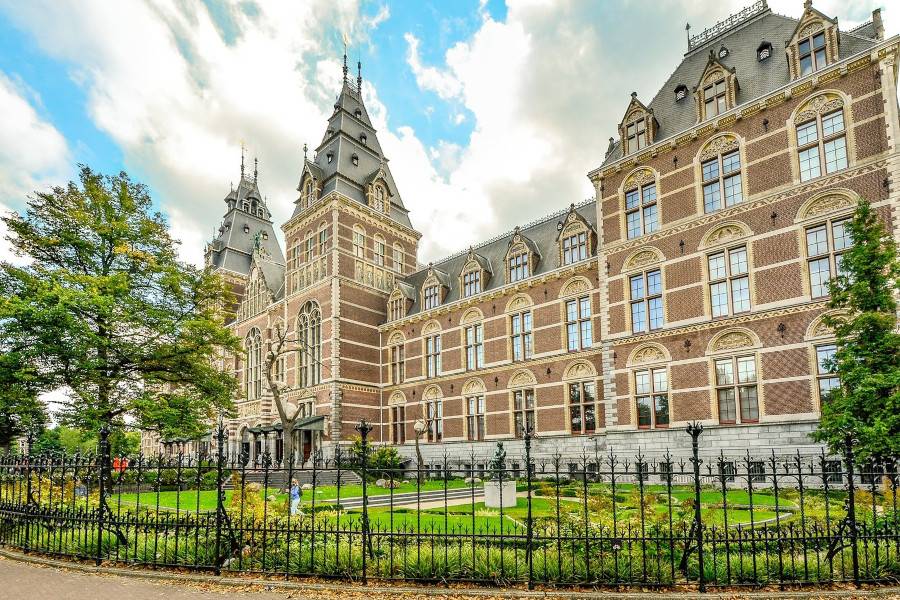
by Arthipo Author | 9 April 2023 | History of Art
The Rijksmuseum (National Museum) in Amsterdam is the premier State-owned Dutch museum dedicated to Dutch art and history.
World-famous masterpieces from the Dutch Golden Age include Vermeer’s The Milkmaid and Rembrandt’s The Night’s Watch. The Rijksmuseum itself is also a masterpiece. The collection is presented in a stunning building with magnificent interior design. 8,000 objects in 80 galleries tell the story of 800 years of Dutch art and history, from the Middle Ages to Mondrian. More than 2.5 million visitors visit through the ages each year and experience a sense of beauty and time.
Rijks Museum History, Architectural Structure, Artifacts
To preserve their national heritage, the Dutch government established another older museum in 1795, modeled after the Louvre. While headquartered in The Hague, this institute was known as the Nationale-Kunst Gallerij and displayed around 200 pieces of art, predominantly belonging to wealthy, influential Dutch citizens. Over the next 60 years, the museum’s collection moved between locations in The Hague and Amsterdam due to political developments and other curatorial issues.
Eventually, the Dutch government decided to build a specially built museum in Amsterdam to house the collection permanently and held two design competitions. Although the first event was unsuccessful, the famous Dutch architect Pierre Cuypers won the second round and was commissioned to design the building. Its Gothic, classically inspired design was completed in 1885 after nearly a decade of construction work. By this time, Rembrandt’s masterpiece The Night Watch was added to the collection, posing additional challenges due to its enormous size. A special hall was built to host The Night Watch in 1906, allowing patrons to experience the painting in all its glory. Since then, many other wings and rooms have been added to the Rijksmuseum, including the Asian Pavilion, which opened in 2013.
The Rijksmuseum organizes temporary exhibitions of modern and contemporary art, including lectures, seminars and guided tours. It is currently able to present and display around 8,000 objects at any given time and changes its exhibits regularly throughout the year.
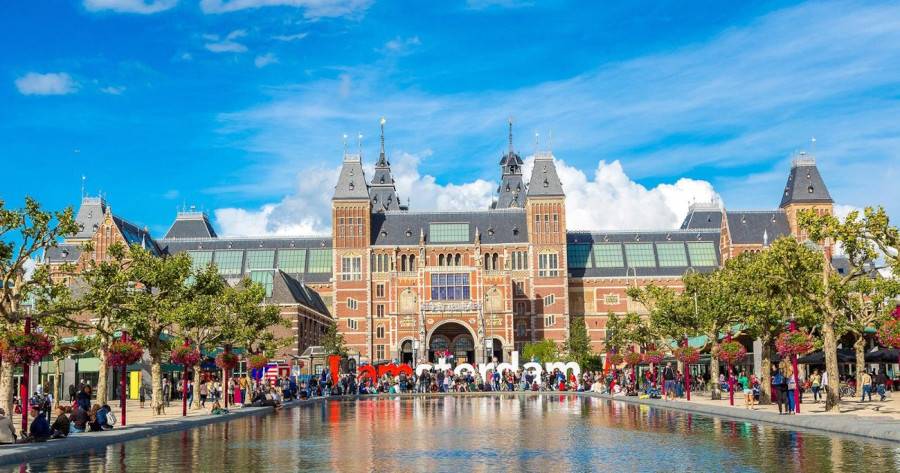
Rijks Museum Amsterdam
Rijks Museum Architectural Structure, Interiors
The museum is located on the Museumplein (Museum Square), close to the Van Gogh and Stedelijk museums.
Founded in 1800, the museum has been housed in a Gothic-Renaissance revival building since 1885, enlarged and renovated over time. A major expansion and renovation project was carried out from 2001 to 2013 on a design by Spanish architects Cruz y Ortiz.
The original architect of the building, Pierre Cuypers, began designing this neogothic cathedral according to Dutch art in 1876; It opened in 1885 and has stood guard over Amsterdam’s Museumplein ever since.
Over the centuries, the building has experienced a series of poorly executed ‘upgrades’: intricately frescoed walls and ceilings were whitewashed, precious mosaics were broken, plastered decorative surfaces and suspended ceilings hung from the walls. It developed worse in the mid-20th century, with efforts to disguise the original building. Cruz y Ortiz, who won the competition to redesign Rijks in 2003, adopted the existing architecture, returning as much as possible to the original volumes of the spaces.
For Cruz y Ortiz, choosing what to preserve and what to restore, what to remodel and what to disregard, balancing these over time was difficult. Cruz y Ortiz meticulously implemented a clear visual approach that favors clarity over confusion. The original, the restored, and the new melt together in a crucible of solid, understated architectural elements.
Cruz y Ortiz began by comparing this “Scandinavian temple” to a Venetian palace. On one side of the site is the water, the Singelgrachtkering canal and on the other side the street.
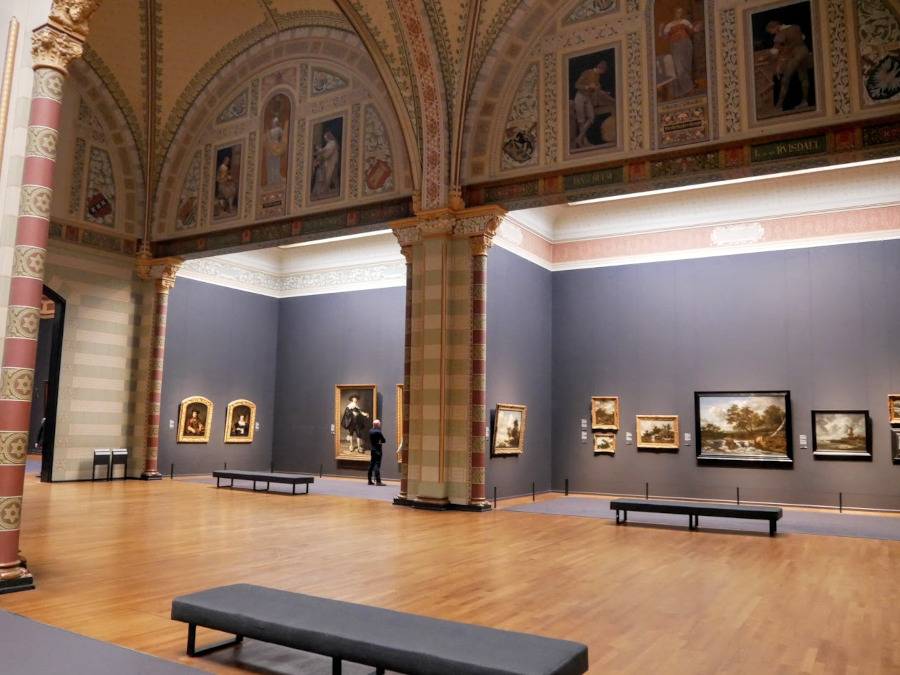
Rijks Museum Interior
Rijks Museum Important Artifacts
Although the Rijksmuseum is famous for its art collection, it is actually a museum focused more broadly on Dutch history; therefore, different kinds of arts and crafts are not presented in separate galleries as usual, but are displayed side by side in a chronological order aimed at depicting the creative history of the Netherlands.
The Rijksmuseum collection, which consists of one million pieces dating from the Middle Ages to the 20th century, consists of paintings, sculptures, drawings, applied art, clothing and historical documents.
The collection features many world-famous artworks, including The Night Watch, Johannes Vermeer‘s The Milkmaid, and several important paintings by Vincent van Gogh, and is on permanent display at the museum. It also includes works by international authors such as Goya and Fra Angelico.
Sculptures by Verhulst and Van der Schardt, among others, are displayed alongside exquisite objects of applied arts.
The museum also has a notable collection of Asian art.
Where is Rijks Museum, How to Get There, Directions, Visiting Hours, Entrance Fee
Full address: Museumstraat 1, 1071 XX Amsterdam, Netherlands
Open daily from 9 am to 5 pm
Adults: 20 €
Free for 18 and under
by Arthipo Author | 9 April 2023 | History of Art
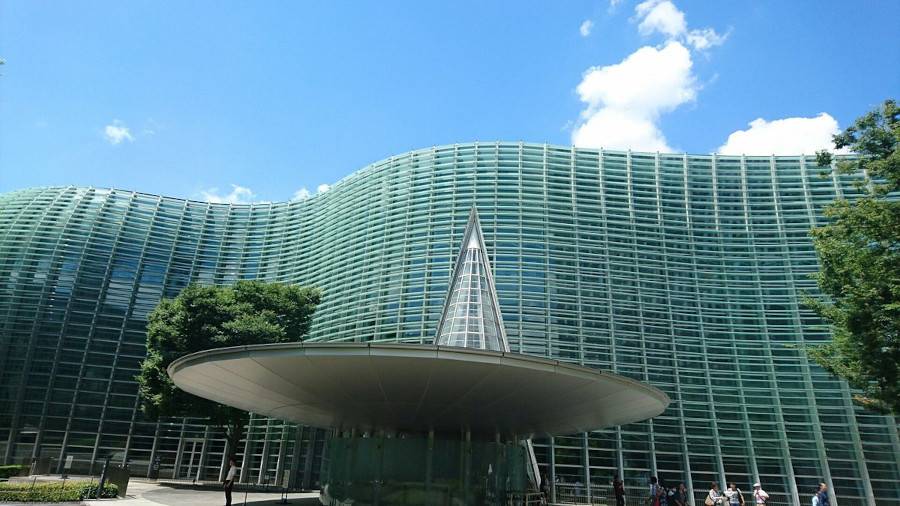
The National Arts Center Tokyo has established itself as one of the country’s most important arts venues. One of the five arts institutions organized by the Japanese government in 2001 under the Japanese government’s effort to increase access, research and preservation of the arts, the gallery operates under three main ideologies: to offer artistic creative perspective, to collect art materials from important historical moments for public use, and to provide outreach, education and interaction. .
National Art Center Tokyo Museum History, Architectural Structure, Artifacts
The National Center for the Arts, Tokyo is the fifth art institution organized under the National Art Museum, an Independent Administrative Authority of the National Government. Five other art institutions include the Tokyo National Museum of Modern Art; National Museum of Modern Art, Kyoto; National Film Archive of Japan; the National Museum of Western Art; and the National Museum of Art, Osaka.
The Tokyo National Art Center (NACT) is a unique and innovative art exhibition facility: instead of maintaining a permanent collection, it makes the most of a total of 14,000 square feet of exhibition space, one of the largest in Japan, and serves as a venue for a variety of art exhibitions. NACT also promotes outreach activities through education programs, and the Art Library serves to collect and disseminate art-related information.
Located in Tokyo, an international city that attracts people and ideas from all over Japan as well as the rest of the world, NACT will provide opportunities for people to experience a variety of creative expressions through the idea of mutual understanding and partnership, and contribute to the emergence of a grounded new culture. mutual understanding and partnership idea.
While the four national institutions hold large collections, crowds at blockbuster traveling exhibitions of masterpieces by domestic artists (Hokusai) or foreign artists (Monet) have hurled Tokyo and Japan to the forefront of museum engagement. Tokyo hosted five of the 10 most visited art exhibitions in the world last year, according to Japanese national museum sources. The National Center for the Arts, which recently opened in Tokyo, serves this bloated audience of museum visitors in a unique way.
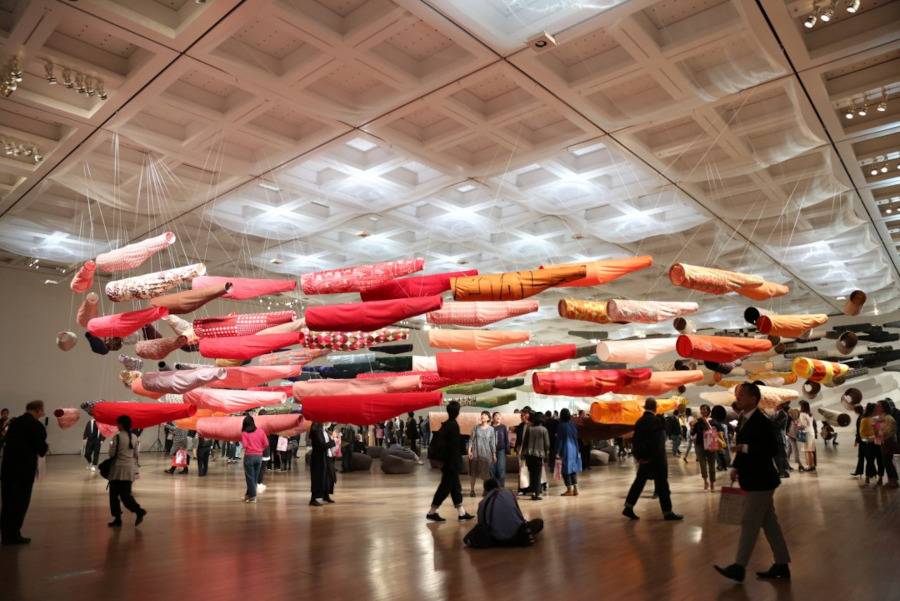
National Art Center Tokyo Museum Interior
National Art Center Tokyo Museum Architecture, Interiors
The National Center for the Arts in Tokyo has a total exhibition space of 14,000 square meters, one of the largest in Japan. In addition to the twelve exhibition galleries, the NACT Art Library is equipped with an auditorium and three lecture rooms. Additional facilities include a restaurant, three cafes and a museum shop.
Designed with the concept of “An Art Center surrounded by green spaces”, NACT’s façade is a beautiful undulating glass wall that creates a unique appearance with its conical main entrance. From this curtain wall from the first floor (1F) lobby you can enjoy the view of the many plants and trees that thrive in the surrounding areas such as Aoyama Park. In addition, safety measures in case of earthquakes and energy and resource saving measures such as seismic isolation devices, rainwater reuse and underfloor air conditioning, Universal design and direct access from Nogizaka Subway Station are conscious examples of NACT. designs.
Where is the National Art Center Tokyo Museum, How to Get there, Directions, Visiting Hours, Entrance Fee
Address: 7 Chome-22-2 Roppongi, Minato City, Tokyo 106-8558, Japan
Roppongi Station (Exit 7) on the Hibiya and Oedo Subway Lines
Nogizaka Station on the Chiyoda Subway Line (Exit 6)
10:00-18:00 (until 20:00 on Fridays), closed on Tuesdays.
Admission is free, tickets may be required for some exhibits.
by Arthipo Author | 9 April 2023 | History of Art
The National Gallery in London is the best art museum for classical painting. More than 2000 paintings from different art periods, from the 13th to the early 20th centuries, are exhibited here.
The National Gallery houses the national collection of Western European painting from the 13th to the 19th centuries, with works by Botticelli, Leonardo da Vinci, Rembrandt, Gainsborough, Turner, Renoir, Cezanne, Van Gogh and more.
National Gallery (London), History, Architectural Structure, Works
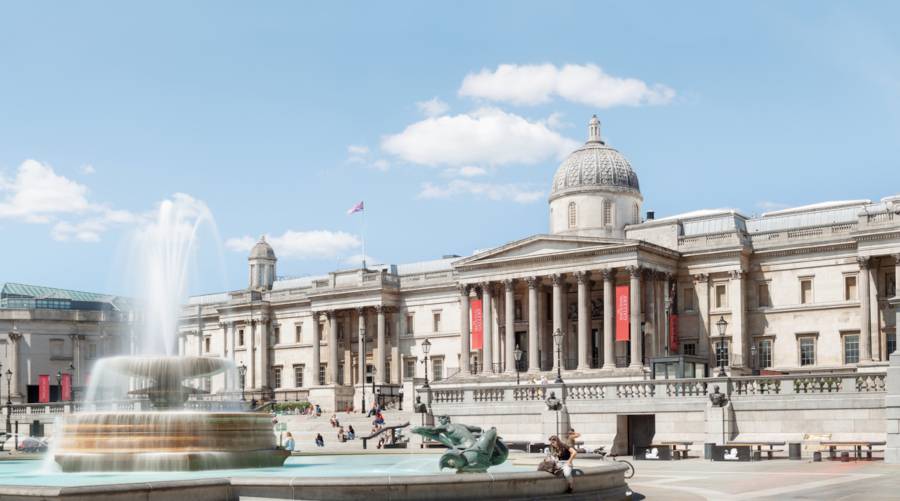
The National Gallery was founded in 1824 when the British government purchased a 38-picture collection of works from banker and collector John Julius Angerstein. In 1831, parliament agreed to construct a building when landscape painter and art collector Sir George Beaumont pledged his collection to the gallery on the condition that suitable accommodation be provided for its display and preservation. The paintings were displayed at Angerstein’s House at 100 Pall Mall until the new building was completed. Designed by William Wilkins, the gallery building was completed and opened in 1838 in Trafalgar Square, considered the center of London. By choosing a place that can be easily reached on foot, the Parliament wanted to ensure that the artwork would be appreciated by all segments of society.
During the first 20 years, the management of the National Gallery was criticized by the public, which prompted the government to implement reforms. They established the post of director, who had the responsibility of shaping the collection and managing the gallery. The new director, Sir Charles Eastlake, traveled across Europe to purchase new works of art and expanded his Italian painting collection. The gallery’s collection was further expanded in 1871 with the purchase of 77 paintings by the late Prime Minister, mainly Dutch and Flemish. Knowing that the gallery was not providing enough space, the government asked architect EM Barry to submit designs for the reconstruction. The reconstruction was completed in 1876, with the decision to keep the existing building and add a new wing.
With the restructuring, the gallery was able to return to a large collection of paintings, drawings and watercolors created by British artists that had to be exhibited elsewhere due to lack of space. To accommodate permanent collections and changing exhibitions, Lord Sainsbury and his brothers Simon and Timothy Sainsbury decided to finance the construction of a new wing in 1985.
National Gallery Architectural Structure, Interiors
No other collection has such consistent quality and better tells the story of Western European painting. Almost all of the 2,300 paintings in the National Gallery collection are on permanent display. The gallery came to life in 1824 when the British Government purchased 38 paintings by banker John Julius Angerstein. The paintings were displayed in Angerstein’s former home on Pall Mall, as there was no suitable place to display the collection. The collection was moved to its current location in Trafalgar Square in 1838.
There was much criticism of the National Gallery’s building, and in 1869 architect EM Barry was asked to submit designs for the reconstruction of the entire Gallery in Trafalgar Square.
After much discussion, it was decided to keep the existing building and add a new wing. This was completed in 1876 and seven new exhibition halls were added to the east end, including the impressive dome.
After a long struggle of the Board of Trustees to provide space for expansion for the National Gallery, in 1907 the barracks behind the Gallery were cleared and the construction of five new galleries began.
An area next to the Gallery has been empty since a furniture shop was bombed and destroyed in WWII. The new Sainsbury Wing opened in 1991 to showcase the entire early Renaissance collection. This came after the North Extension, which opened in 1975 and provided a significant amount of extra exhibition space: nine large rooms and three small closets. Natural light was used as much as possible in this new gallery. The Sainsbury Wing was added to the UK’s National Heritage List in 2018.
The gallery today has a total area of 46,396 square meters, following the completion of the Sainsbury Wing. The art museum is divided into 4 areas and each area is dedicated to specific centuries. These areas are divided into numbered rooms covering a specific topic.
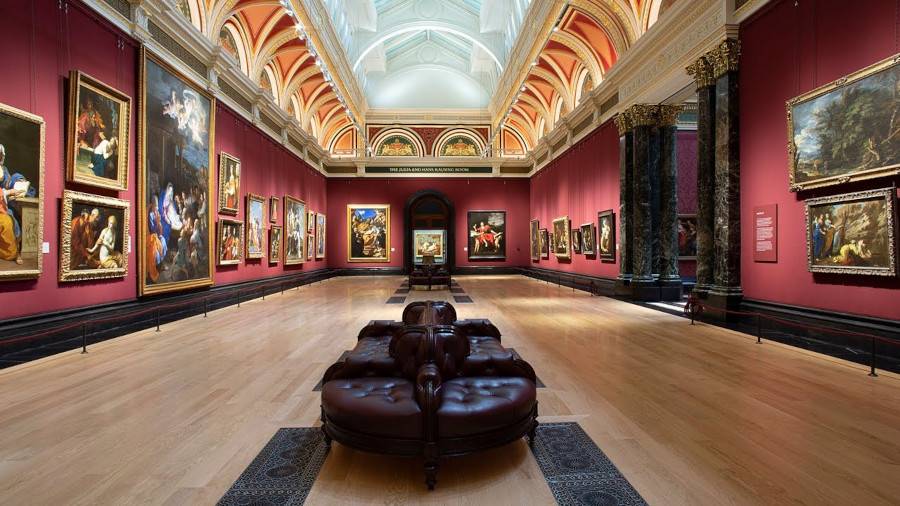
National Gallery London Interior
National Gallery Notable Works
The Sunflowers – Vincent van Gogh, The Water-Lily Pond – Claude Monet, The Fighting Temeraire – Turner, The Virgin of the Rocks – Leonardo da Vinci, The Skiff – Pierre-Auguste Renoir , A Young Woman standing at a Virginal – Johannes Vermeer , Seaport with the Embarkation of Saint Ursula – Claude Gellée are examples of important works.
Where is the National Gallery, How to Get There, Directions, Visiting Hours, Entrance Fee
London Underground station Charing Cross, Bakerloo Line and Northern Line, District 1
It is open every day from 10:00 to 18:00. It is open every Friday until 21:00. Closed from 24 – 26 December and 1 January
Entrance is free. And this is not only for permanent exhibitions, but also for some temporary exhibitions, even guided tours offered daily are free of charge.
by Arthipo Author | 9 April 2023 | History of Art
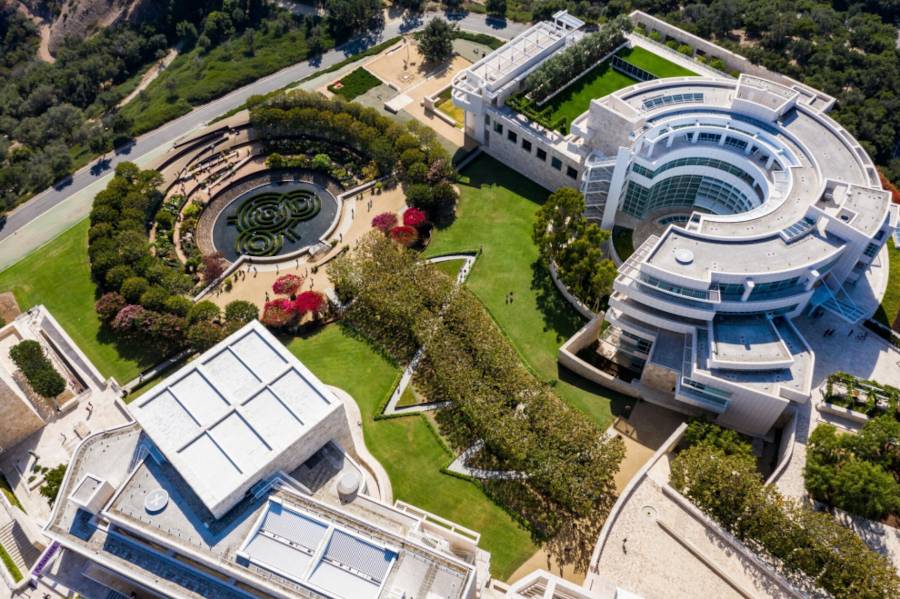
The Getty Center is the name given to one of the two venues of the J. Paul Getty Museum. The J. Paul Getty Museum is a museum and research center established by oil tycoon J. Paul Getty to house his art collections. It consists of two locations in Los Angeles: Getty Villa and Getty Center. The first houses a collection of antiques, while the second showcases European art and international photography.
Getty Center History, Architectural Structure, Artifacts
The original museum opened in 1954 and occupies an added wing to Getty’s farmhouse in the Pacific Palisades section of Los Angeles. However, their collection eventually outgrew that location, so they moved to a new building nearby in 1974. Known as the Getty Villa, this museum is a lavish reconstruction of the Villa Papyri, an ancient Roman house unearthed in Herculaneum.
With Getty’s death, the museum became the richest foundation in the world. After years of planning, the Getty Center, a larger complex of six buildings designed by Richard Meier in the Brentwood neighborhood, opened with great publicity in 1997. The museum at Getty housed J. Paul Getty’s collection of European paintings. Sculpture, drawings, illuminated manuscripts and decorative arts from the Middle Ages to the 20th century. He also has international photographs dating from the late 1830s to the present day. The collections reflect the preference for paintings and French furniture from the Renaissance and Baroque periods. Getty also houses the Getty Research Institute, the Getty Conservation Institute, and the Getty Foundation.
The Getty Villa was closed for renovations in 1997 and reopened in 2006 to a design by Boston-based architects Rodolfo Machado and Jorge Silvetti. It housed a research center and Getty’s collection of ancient Greek, Roman and Etruscan art. The collection was re-established chronologically in 2018 after decades of thematic display.
Getty Center Architectural Structure, Interiors
The Getty Center is one of the most impressive architectural achievements in the United States and also contains some of the world’s finest works of art. The circular concrete and steel structure was designed by renowned architect Richard Meier and houses numerous works of art from various eras and nationalities. Here, you’ll find Renaissance paintings, 20th-century American photography, Baroque sculptures, historical manuscripts, and more, all housed within a large modern campus in the middle of the Santa Monica Mountains. The museum also offers great views of Los Angeles on clear days.
The entire complex consists of 11 buildings surrounded by beautiful open spaces, fountains and sculptures. Getty’s art collection is so large that the 4 exhibit spaces in the Getty Center only display a portion of its collection. But many people come not only for the art, but also for the unusual architecture. Architect Meier combined their distinctive smooth white surfaces with more traditional materials to reflect the feel of the Getty collection. Horizontal lines and square forms dominate. Special architectural tours are made that highlight the architect’s vision and technique in great detail.
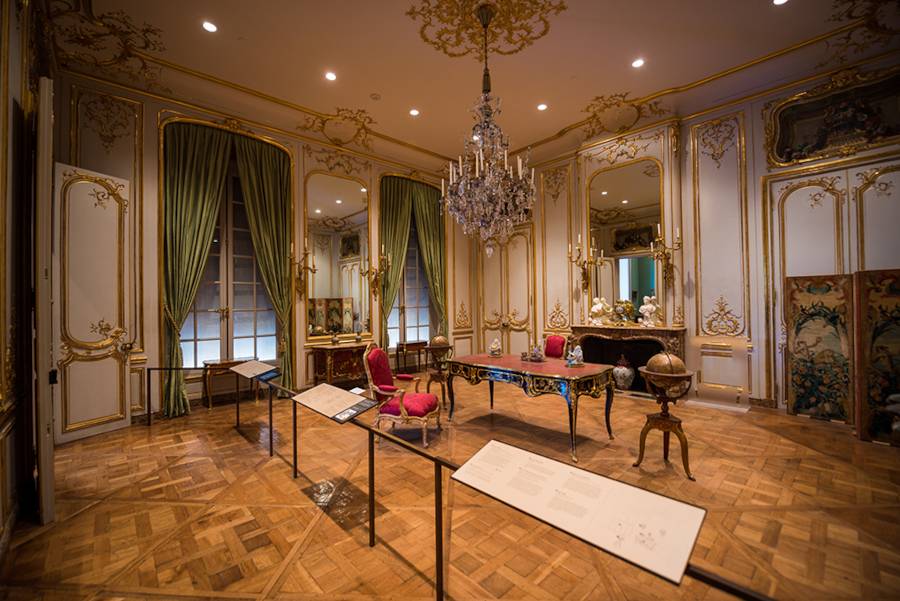
Getty Center Interior
Getty Center Notable Artifacts
The Virgin Mary with Saints Thomas Aquinas and Paul – Bernardo Daddi
The Annuciation – Dieric Bouts
Portrait of a Halberdier – Potormo (Jacopo Carucci)
Lor and His Doughters – Orazio Gentileschi
The Calydonian Boar Hunt – Peter Paul Rubens
The Abduction of Europa – Rembrandt Harmensz. Van Rijn
The Fountain of Love by Jean-Honoré Fragonard
Modern Rome – Campo Vaccino – Joseph Mallord William Turner
Still Life with Apples – Paul Cézanne
Irises – Vincent van Gogh
Where is Getty Center, How to Get There, Directions, Visiting Hours, Entrance Fee
Address: 1200 Getty Center Dr, Los Angeles, CA 90049, United States
Subway bus 761 stops at the Getty Center entrance at the intersection of Getty Center Drive and Sepulveda Avenue.
Get full route information from Metro (Los Angeles County Metropolitan Transportation Authority): call (323) GO-METRO ((323) 466-3876 or use the Metro Trip Planner.
Tuesday – Sunday 10:00 – 17:00
It is closed on Mondays.
Entry is free.