by Arthipo Author | 1 May 2023 | Actual Art, Art Career, History of Art
The Future of Art: Exploring the Limits of Creativity
The future of art, its continuous evolution and transformation, shows the freedom of expression and the desire to pursue the aesthetic experience by using people’s creativity and imagination. In the future, art forms and genres will continue to explore the limits of creativity by further diversifying.
Art has held an important place throughout human history. Through art, people have expressed limitations, conveyed them, and directed their dreams. As art is a field that needs creation and originality, it will continue to evolve and survival will continue to evolve with different genres.
Developing the future of art should also be considered. Digitization of art, that is, digital art, has gained significant popularity in recent years. Digital art allows creators to expand their boundaries and use their imaginations. Thanks to digital tools, they create more original and impressive works of content.
In the future, with the digitization of the machine, making the machine even more accessible. Art lovers will be able to discover works of art more easily and reach a wider audience around them. In addition, with the use of digital, its application and production will become faster and easier.
Another important factor in the future of art will be sustainability. Because the materials and resources used in artworks are limited, they will be more sensitive and responsible for sustainable materials. In addition, the use of environmentally friendly production techniques will increase.
New technologies are an important factor shaping the future of art. Emerging technologies such as virtual reality, augmented reality, and artificial intelligence expand the forms of expression and experiences of art. These technologies allow artists to create new and impressive works of art, opening up possibilities never before imagined.
-
Intercultural Interaction and Art
Intercultural interaction and communication enables the dissemination and sharing of artistic ideas and practices around the world. This interaction allows artists from different cultural backgrounds to learn and be inspired by each other. Intercultural interaction fosters the universality and diversity of art, helping to create new and unique forms of artistic expression.
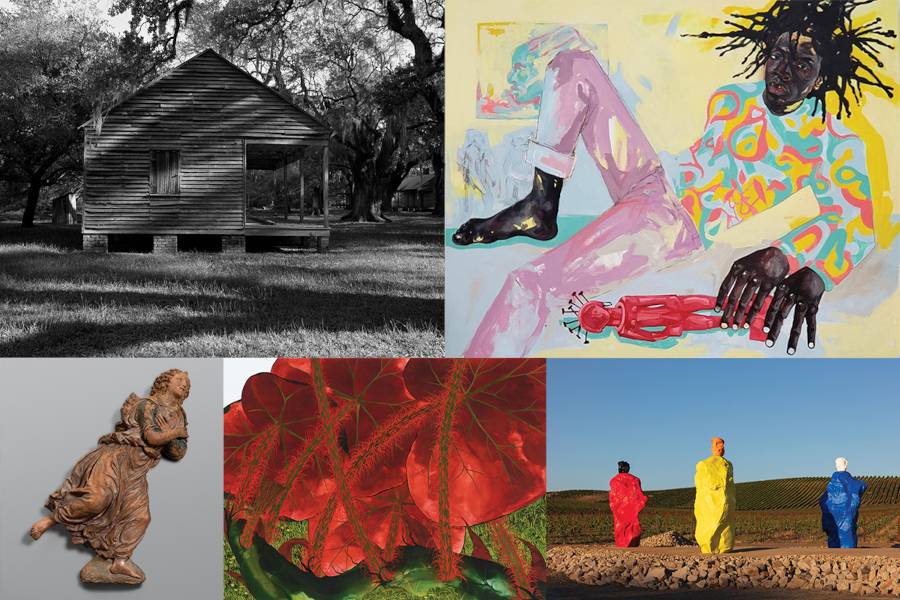
Various Art Images
-
Social and Political Impacts
Art can be used as a sensitive tool to social and political issues. By addressing issues such as human rights, the environment, inequality and justice, artists can use their art to raise awareness and bring about change in society. These artistic works help draw attention to important issues around the world by influencing people’s thoughts and feelings.
-
Art Education and Young Artists
Art education plays a critical role in raising the next generation of artists. Art education encourages creativity and critical thinking, helping young people develop their artistic talents and ways of thinking. Supported by education, young artists constantly push the limits of creativity by shaping the future of art.
Art forms and genres are the ever-changing reflections of people’s efforts to express themselves and make sense of the world using their creativity and imagination. In the future, the evolution and transformation of art will continue under the influence of social, political and technological factors. In the process, artists and audiences will continue to explore and expand the boundaries of artistic experience. The new generation of artists will shape the future of art and continue to convey the feelings, thoughts and experiences of humanity, with inspiration from different cultures, possibilities offered by new technologies, and sensitivity to social and political issues.
by Arthipo Author | 1 May 2023 | Actual Art, History of Art
What is Art? Characteristics of Art and Art Branches
What is art? Art is a field that has constantly evolved throughout history, reflecting people’s feelings, thoughts and how they perceive the world. This article examines the effects and roles of various art forms and genres on emotions, dimensions, boundaries and visions.
Visual Arts: Painting, Sculpture and Photography
Visual arts are one of the most common forms of art that are expressed with images and objects perceived by people. Visual art genres such as painting, sculpture and photography convey emotions and thoughts by using visual elements such as color, texture, perspective and composition. Visual arts allow the audience to experience rich physical and emotional experiences.
Environmental Art: Land Art, Installation and Ecological Art
Environmental art encompasses the forms of art that interact with and take place in the natural and built environment. Environmental art genres such as land art, installation, and ecological art question people’s relationships with nature and the environment, and address issues such as sustainability, conservation, and ecological awareness.
Performance Art: Theatre, Dance and Live Performances
Performance art includes forms of art that are expressed through live performances and shows. Performance art genres such as theatre, dance and live performances allow people to tell stories and convey emotions using body, sound and movement. Performance art offers interactive and immersive experiences, making the audience a part of the art.
Literary Arts: Poetry, Novel, and Short Story
Literary arts are types of arts that are expressed through language and written texts. Literary arts such as poetry, novels, and short stories allow people to convey their thoughts, feelings, and experiences with words. Literary arts push the limits of imagination with images and emotions that come to life in the mind of the reader.
Music and Sound Arts: Rhythm, Melody and Emotional Expression
Music and vocal arts are forms of artistic expression in which sound and rhythm are used. Music conveys feelings and thoughts through rhythm, melody and harmony. Sound arts, on the other hand, create original works with the experimental and conceptual use of sound. Music and sound arts stimulate people’s senses and emotional responses.
Cinema and Video Art: Moving Images and Visual Expression
Cinema and video art are art forms that use moving images and visual expression. Movies, short films, and video art projects combine audio and visual elements to deliver powerful stories and experiences. Cinema and video art provide immersive and immersive experiences by channeling the emotions and thoughts of the audience.
Digital Art: Computers, Software and New Media
Digital art includes artistic practices using computer technologies and software. Digital art genres such as digital painting, 3D modeling, animation and interactive media offer artists new creative possibilities and forms of expression. Digital art creates new and original experiences where technology and art meet.
Mixed Media and Conceptual Art: Pushing Artistic Boundaries
Mixed media and conceptual art create new forms of expression and works by pushing the boundaries of traditional art genres. Mixed media works consist of different materials and techniques. In conceptual art, on the other hand, ideas and concepts are placed at the center of the work. These genres question and redefine the meaning and function of art.
Traditional and Folk Art: Cultural Heritage and Crafts
Traditional and folklore art are forms of artistic expression tied to the history, values and lifestyle of a particular culture. Crafts are produced with traditional skills such as textiles, ceramics and woodworking. Traditional and folklore art plays an important role in preserving and transmitting cultural identity and heritage.
Popular Art and Culture: Graphic Novels, Animation and Street Art
Popular art and culture are forms of artistic expression adopted and followed by large sections of society. Popular art genres such as graphic novels, animation and street art are shaped by the influence of daily life, mass media and popular culture. Popular art and culture strengthen social ties by sharing common values, thoughts and feelings among people.
What is art? As a result of the question, we can say that it is like a universal language used to share feelings, thoughts and experiences. Art in different forms and genres reflects people’s efforts to express themselves and understand the world. The art forms and genres covered in this article are products of the creativity and imagination of people who continue to explore and develop the limits and potential of art.
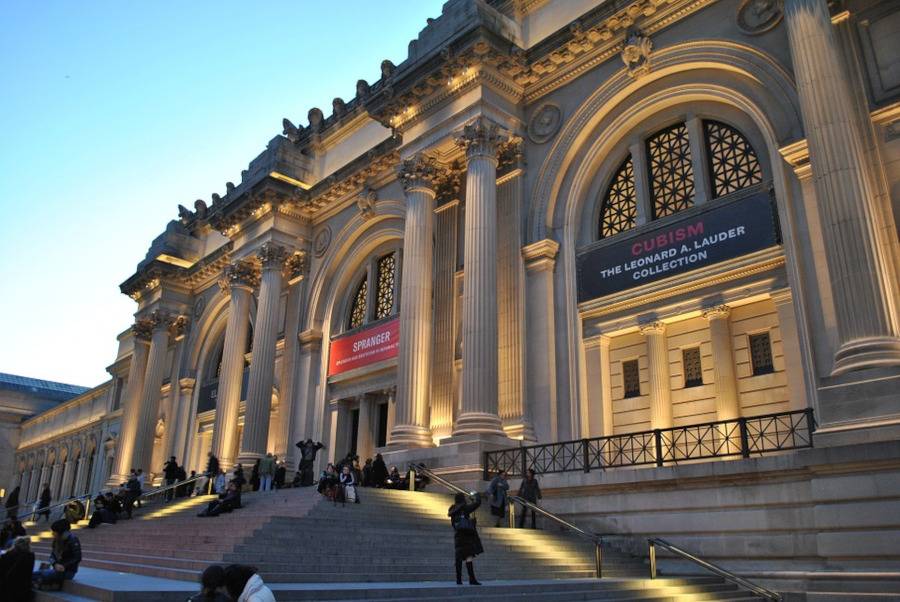
by Arthipo Author | 9 April 2023 | History of Art
The Metropolitan Museum of Art, known as the MET, is New York’s largest and most comprehensive art museum and one of the world’s foremost art museums. The museum was founded in 1870 and opened two years later. Located at its current location in Central Park, the building complex opened in 1880.
Metropolitan Museum of Art History, Artifacts
The Metropolitan Museum of Art’s earliest roots date back to Paris, France in 1866, when a group of Americans agreed to build a “national institution and art gallery” to bring arts and arts education to the American people. The lawyer who proposed the idea, John Jay, quickly resumed the project on his return from France to the United States. Under Jay’s presidency, the Union League Club in New York has brought civic leaders, businessmen, artists, art collectors, and philanthropists to the cause. On April 13, 1870, the Metropolitan Museum of Art was established and opened to the public in the Dodworth Building at 681 Fifth Avenue. On November 20 of the same year, the Museum purchased its first object, a Roman sarcophagus. In 1871, 174 European paintings by Anthony van Dyck, Nicolas Poussin, and Giovanni Battista Tiepolo entered the collection.
On March 30, 1880, after a brief move to the Douglas Mansion at 128 West 14th Street, the Museum opened to the public at its current location at Fifth Avenue and 82nd Street. Architects Calvert Vaux and Jacob Wrey Mold designed the first Ruskinian Gothic structure, whose west facade is still visible in the Robert Lehman Wing. The building has since expanded greatly, and several additions built as early as 1888 now completely surround the original structure.
The museum’s collection continued to grow throughout the rest of the 19th century. The purchase of the Cesnola Cyprus art collection between 1874-76, works from the Bronze Age to the end of the Roman period, helped establish The Met’s reputation as an important repository of classical antiquities. When the American painter John Kensett died in 1872, 38 of his canvases arrived at the Museum, and in 1889 the Museum acquired two works by Édouard Manet.
The Beaux-Arts Fifth Avenue façade and Great Hall of the Museum, designed by architect and founder Museum Trustees Richard Morris Hunt, opened to the public in December 1902. The Evening Post reports that New York finally has a neoclassical art palace. It is one of the best in the world and in recent years the only public building that has approached the museums of the old world with dignity and grandeur.”
By the 20th century, the Museum had become one of the largest art centers in the world. In 1907 the Museum purchased a work by Auguste Renoir, and in 1910 The Met became the first public institution in the world to receive a work of art by Henri Matisse. The ancient Egyptian hippo figurine “William”, which is now the Museum’s unofficial mascot, entered the collection in 1917. Today, nearly all of the Museum’s 26,000 ancient Egyptian objects are on display, the largest collection of Egyptian art outside of Cairo. By 1979, the Museum had five of less than 35 known paintings by Johannes Vermeer, and now 2,500 European paintings from The Met, making up one of the largest collections in the world. The American Wing now houses the world’s most comprehensive collection of American painting, sculpture and decorative art.

Metropolitan Museum of Art
Metropolitan Museum of Art Museum Architectural Structure, Interiors
The main building facing Fifth Avenue, designed by Richard Morris Hunt, was completed in 1902 and has been named “The Met Fifth Avenue” as of 2016. McKim, Mead, and White designed some later additions. The American section, added in 1924, included the 1823 marble façade salvaged from the destroyed U.S. Branch Bank on Wall Street. The rest of the 20th-century additions were completed by the architectural firm Kevin Roche John Dinkeloo and Associates. Robert Lehman Wing (1975) with Old Masters, Impressionist and Post-Impressionist works; The Sackler Wing of the Temple of Dendur (1978), which houses an Egyptian-issued monument; the American Wing (1980), a four-acre addition wrapped around the old section and containing the largest collection of American art in the world; the Michael C. Rockefeller Wing (1982), featuring African, Oceanian, and American arts; Lila Acheson Wallace Wing (1987), displaying modern art; and Henry R. Kravis Wing (1990), which includes sculpture and decorative arts in Europe until the 20th century. One of the most comprehensive collections of its kind, “Art of the Arab lands, a renovated and redesigned group of 15 galleries featuring Turkey, Iran, Central Asia and later South Asia opened in 2011. The Met has expanded its Modern and contemporary art programs to a Marcel Breuer-designed building on East 75th Street and Madison Avenue (the former location of the Whitney Museum of American Art). The “Met Breuer” was designed to host exhibitions and performances on 20th and 21st century art, artist commissions and residencies, and educational programs.
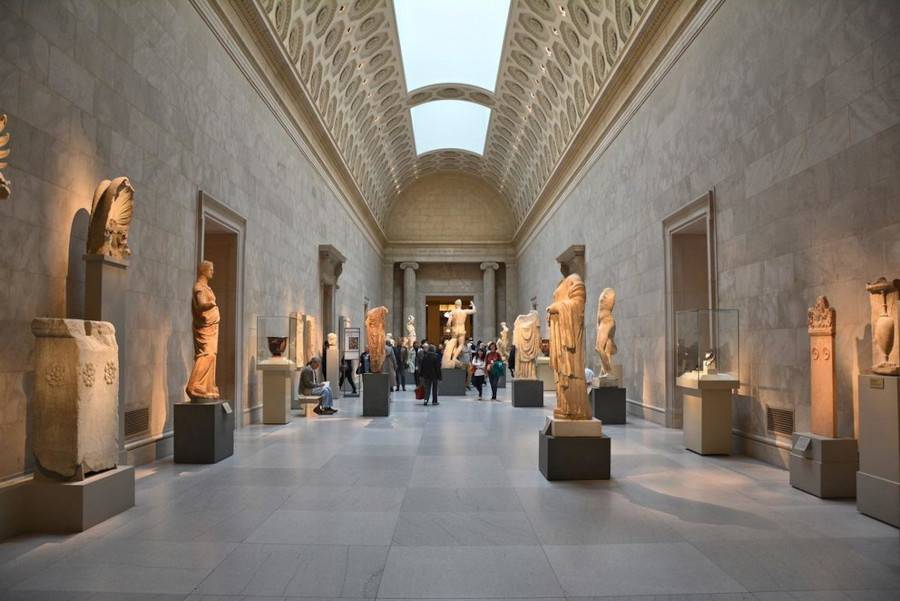
Metropolitan Museum of Art Interiors
Metropolitan Museum of Art Museum Important Artifacts
The Met has significant collections of Egyptian, Babylonian, Assyrian, East Asian pre-Columbian and Middle Eastern, Greek and Roman, European, New Guinea, Islamic and American art, including architecture, sculpture, painting, drawings, calligraphy, prints, photographs, glass, bronzes, ceramics , textiles , metalwork , polish work, furniture, period rooms, weapons and armor and musical instruments.
Where is the Metropolitan Museum of Art, How to Get there, Directions, Visiting Hours, Entrance Fee
Address: 1000 5th Ave, New York, NY 10028, United States
From Manhattan’s East Side: Subway: Take the 4, 5, or 6 train to 86th Street and walk three blocks west to Fifth Avenue. This walk is about half a mile and takes about 10 minutes. Bus: You can use the M1, M2, M3 or M4 lines.
From the West Side of Manhattan: take the 1 train to 86th Street, then the M86 intercity bus from Central Park to Fifth Avenue, or take the C train to 81st Street, then the M79 bus from Central Park to Fifth Avenue .
From Penn Station: Take the M4 bus to 83rd Street and Madison Avenue.
Sunday–Tuesday and Thursday: 10:00–17:00 Friday and Saturday: 10:00–21:00
Wednesday Closed
Entrance to the museum is by time ticket or reservation only and the capacity is limited.
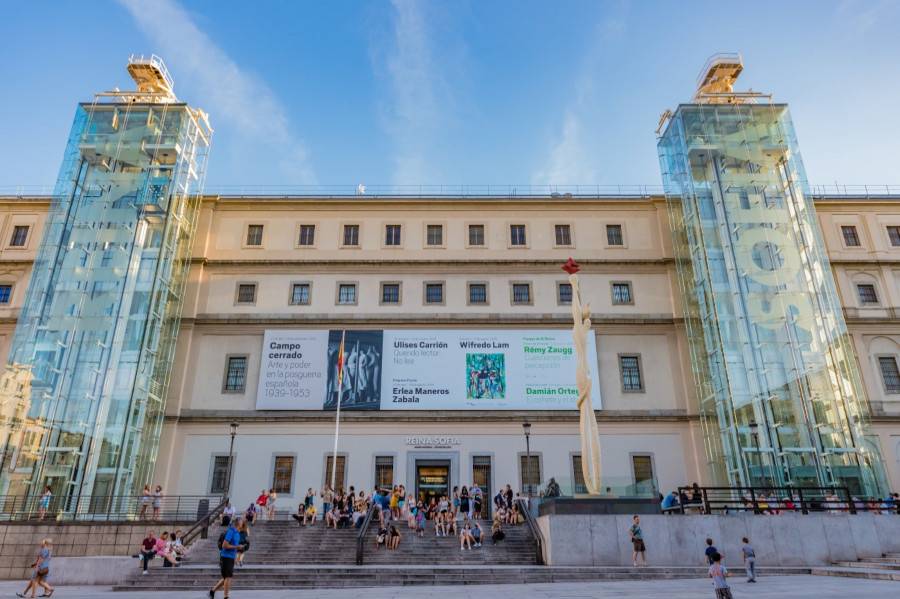
by Arthipo Author | 9 April 2023 | History of Art
The Queen Sofia National Art Museum is a contemporary art museum in Madrid, the capital of Spain, where 20th century artworks are exhibited. Opened in 1990, the museum has a collection of more than 22,400 works. It is divided into three chapters covering the 20th century, entitled Raids of the 20th Century.
Queen Sofia National Museum of Art, Museo Nacional Centro de Arte Reina Sofía History, Architectural Structure, Works
When the Museo Nacional Centro de Arte Reina Sofia opened its doors in 1990, it stood as a modern, contemporary Spanish museum of international scale. However, his building went through many difficulties to achieve this goal.
King II. Felipe first established the San Carlos Hospital, the current headquarters of the museum, in the sixteenth century. It was here that all the hospitals scattered across the court were centralized. In the eighteenth century, III. Carlos decided to build another hospital as these facilities did not meet the city’s needs. The current building is the work of architects José de Hermosilla and Francisco Sabatini, who were responsible for much of its construction.
The death of Carlos III in 1788 brought the building’s construction to a halt. Although only a third of Sabatini’s project was completed, the hospital was set up and operational as originally planned.
From this date on, various changes and additions were made until the hospital was closed in 1965. Its functions have been transferred to the Madrid Provincial Health Service. Despite many rumors of demolition, due to its historical and artistic value, the building’s survival was guaranteed when it was declared a national monument by royal decree in 1977.
Restoration began in 1980 under the direction of Antonio Fernández Alba and in April 1986 the Reina Sofia Art Center was opened. The ground and first floors were used as temporary exhibition galleries. Towards the end of 1988, architects José Luis Iñiguez de Onzoño and Antonio Vázquez de Castro made final changes, for which the three steel and glass elevator towers designed in collaboration with British architect Ian Ritchie deserve special attention.
Museo Reina Sofia, an autonomous organization under the Spanish Ministry of Culture, was created by Royal Decree 535/88 of May 1988. Headquartered at the San Carlos Hospital, the Collection consisted of artifacts preserved by the Spanish at that time. Contemporary Art Museum. On September 10, 1992, His Majesty King Juan Carlos and Queen Sofia inaugurated the Permanent Collection of the Museo Nacional Centro de Arte Reina Sofia, which until then held only temporary exhibitions. Now a true museum, the goals of the museum – as stated in the above-mentioned decree – are to preserve, expand and display its collections; promoting the public’s knowledge and access to contemporary art in its various manifestations; to organize exhibitions at international level and to offer education, training and evaluation activities related to their holdings.
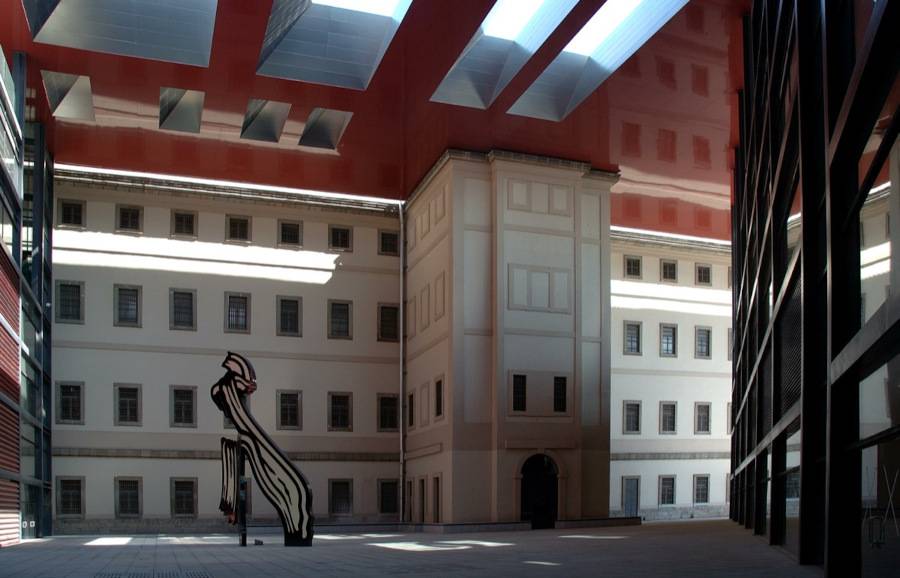
Queen Sofia National Museum of Art Interior
Queen Sofia National Art Museum Architectural Structure, Interiors
Reina Sofia Museum, II. It is housed in a neoclassical building located in Atocha, formerly a hospital facility (Hospital San Carlos) from the 16th century when Philip decided to centralize the various hospitals scattered throughout the Palace. In the 18th century, Charles III expanded the building, working with architects José de Hermosilla and, above all, Francisco Sabatini.
The building underwent various modifications and additions until the hospital was closed in 1965. After it was declared a Historic-Art Monument in 1977, restoration work began in 1980. In 1986, the Reina Sofia Art Center was opened, the 1st and 2nd floors hosted temporary exhibitions. The latest changes were made at the end of 1988, including the creation of three glass and steel elevator shafts designed by British architect Ian Ritchie.
The Permanent Collection opened on September 10, 1992 and officially became a museum.
The museum was expanded between 2001 and 2005 by architect Jean Nouvel to create a larger exhibition space, as well as to add a library and an auditorium.
The museum has two other locations in Madrid, the Velázquez Palace and the Crystal Palace, both located in Retiro Park, that host temporary exhibitions and art installations created for these spaces.
It is divided into three chapters covering the 20th century, entitled Raids of the 20th Century.
Utopia and Conflict (1900-1945), Is the War Over? Art in a Divided World (1945-1968) and From Rebellion to Postmodernity (1962-1982).
The museum’s dynamic curatorial program offers six or more simultaneous exhibitions, including solo exhibitions by important emerging artists, as well as provocative engagements with issues that have shaped international art over the past 100 years.
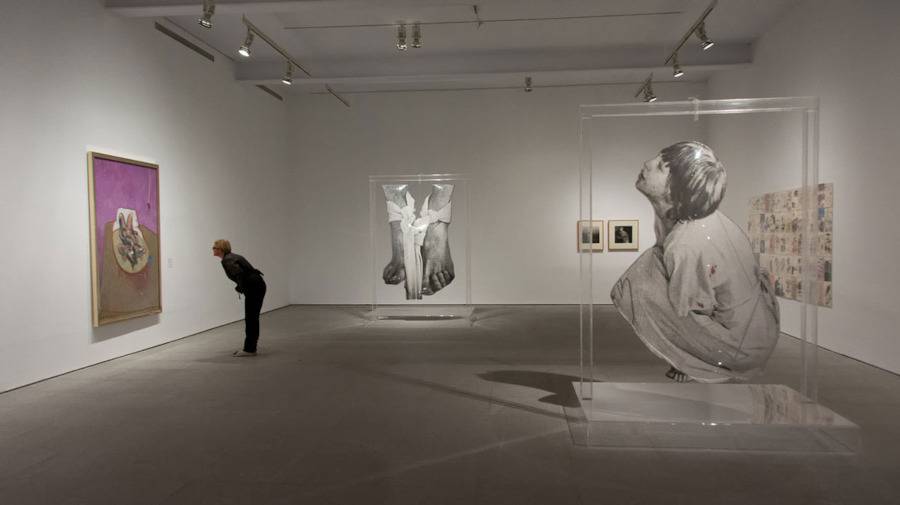
Queen Sofia National Art Museum Interior (2)
Queen Sofia National Museum of Art Important Artifacts
Here, the country’s most respected painters such as Pablo Picasso, Salvador Dalí and Joan Miró are showcased, as well as other international legends.
Among the great masterpieces on display is Guernica, Picasso’s legendary testament to the tragedies of the Spanish Civil War.
Clyfford Still – 1951-D , PH 131, George Brecht – Perchero, Juan Gris – Anis Bottle,
Philip Guston – Confrontation are highlights in the collection.
Where is Queen Sofia National Art Museum, How to Get there, Directions, Visiting Hours, Entrance Fee
Address: Calle de Santa Isabel 52 – Madrid 28012 Spain
By metro from Estación del Arte (formerly Atocha) (L1), Lavapiés (L3) stations
You can reach by train from Madrid-Atocha – RENFE station.
Open Wednesday – Monday 10:00 – 21:00 Sunday 10:00 – 19:00.
It is closed on public holidays and Tuesdays.
The entrance fee is 10 Euros, free for children under 18, the elderly, students, the disabled, the unemployed, teachers and journalists.
by Arthipo Author | 9 April 2023 | History of Art
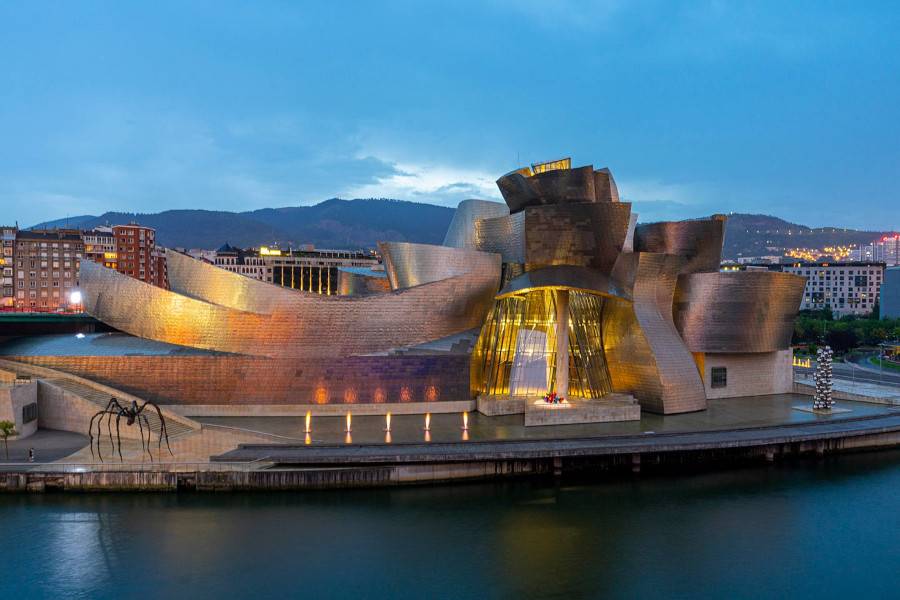
Guggenheim Museum Bilbao is a modern art museum located in the city of Bilbao, in the Basque Country region of Spain. Spreading over an area of 11,000 square meters, the museum is one of the five museums of the Solomon R. Guggenheim Foundation, an American foundation.
The Solomon R. Guggenheim Foundation collects, preserves and interprets modern and contemporary art, exploring cross-cultural ideas through educational initiatives and collaborations. With a constellation of architecturally and culturally diverse museums, exhibitions, publications and digital platforms, the foundation brings together both local and global audiences.
The Guggenheim Museum, opened in 1997, is a modern art museum that truly left its mark on the city, making Bilbao what it is today. Located by the river with its eye-catching design, the museum is one of the first stops for more than one million visitors a year.
Guggenheim Museum History, Architecture, Artifacts
The Solomon R. Guggenheim Foundation was established in 1937, and the Museum of Non-Objective Painting opened in 1939, its first venue in New York to display art. With exhibits of Solomon Guggenheim’s somewhat eccentric art collection, the gallery designed by William Muschenheim at the behest of the unconventional Foundation’s curator and director of the museum, Hilla Rebay, offers many visitors the wonderful works of Vasily Kandinsky and Rudolf Bauer, Alice Mason, Otto Nebel, and Rolph Scarlett. The need for a permanent building to house the Guggenheim’s art collection emerged in the early 1940s, and in 1943 famed architect Frank Lloyd Wright received a commission to design a museum in New York. The Solomon R. Guggenheim Museum opened on October 21, 1959.
The Solomon R. Guggenheim Foundation is dedicated to promoting understanding and appreciation of modern and contemporary art through exhibitions, educational programs, research initiatives and publications. Guggenheim international constellation of museums, Solomon R. Guggenheim Museum, New York; Peggy Guggenheim Collection, Guggenheim Museum Bilbao and future Guggenheim Abu Dhabi.
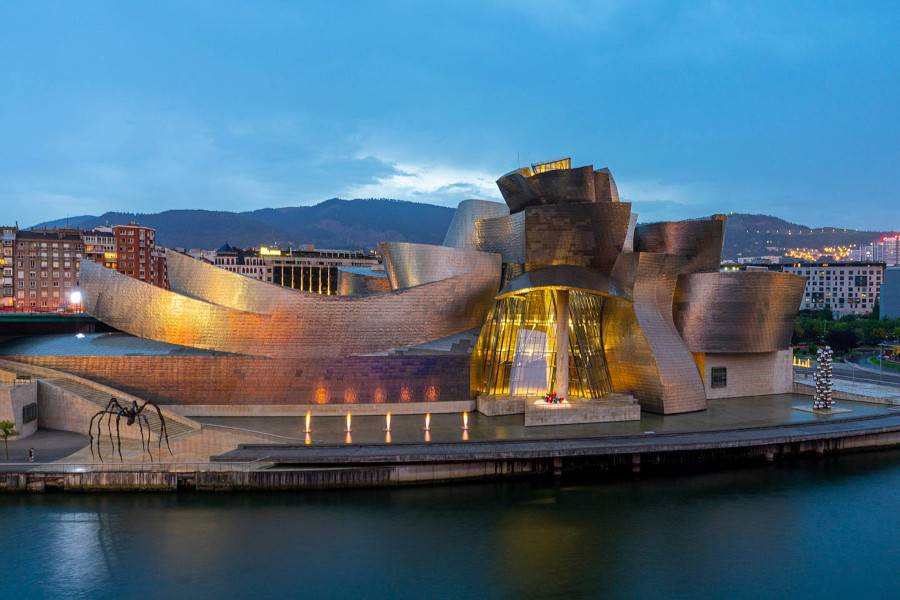
Guggenheim Museum Bilbao
Guggenheim Museum Architecture, Interiors
Plans for a new museum in Bilbao date back to the late 1980s, when the Basque Administration began to formulate a major redevelopment in the area. It wasn’t until 1991, however, that Basque authorities proposed the idea for the Bilbao Guggenheim Museum to the Solomon R. Guggenheim Foundation. As we progressed through the museum, a site was chosen and three architects—Arata Isozaki from Japan, Coop Himmelb(l)au from Austria, and Frank O. Gehry from the United States—were invited to participate in a competition. design. There were no requirements for drawings or models to be produced; instead, the architects were asked to present only what they thought would reflect their concept for the new museum.
From the moment it opened in 1997, Gehry’s Guggenheim Museum Bilbao has been hailed as one of the most important buildings of the 20th century, with its distinctive titanium curves and towering glass atrium. Gehry’s use of cutting-edge computer-aided design technology enabled him to bring poetic forms into reality. The resulting architecture is sculptural and expressive, with spaces unlike any other for the presentation of art. The museum is seamlessly integrated with the urban context, revealing interconnected shapes of stone, glass and titanium in a 32,500 square meter space along the Nervión River in the city’s former industrial centre.
Eleven thousand square meters of exhibition space are distributed to nineteen galleries. Ten of these galleries have a classical orthogonal plan and can be distinguished from the outside by their stone cladding. Nine other irregularly shaped galleries offer remarkable contrast and are externally identifiable by their swirling forms and titanium coatings. The largest gallery, 30 meters wide and 130 meters long, was used for temporary exhibitions for several years. In 2005 it became the site of Richard Serra’s monumental installation The Matter of Time, the largest sculpture commission in history. At one end of the museum area crosses La Salve Bridge, which has supported Daniel Buren’s Arcos rojos / Arku Gorriak sculpture since 2007.
The Guggenheim Museum Bilbao is the pinnacle of Gehry’s distinguished architectural career as well as museum design. It is unique in the integration of art and architecture, maintaining an aesthetic and programmatic unity.

Guggenheim Museum Bilbao Interiors
Guggenheim Museum Notable Artifacts
The Matter of Time (Richard Serra), LED installations by Jenny Holzer, works by Eduardo Chilliada, Seascape (Gerard Richter), The Renowned Orders Of The Night (Anselm Kiefer), Large Blue Anthropometry (Yves Klein), One Hundred and Fifty Multicolored Marilyns (Andy Warhol)
Where is Guggenheim Museum, How to Get There, Directions, Visiting Hours, Entrance Fee
Address: Abandoibarra Etorbidea, 2. 48009 Bilbao, Bizkaia
It is easily accessible in Bilbao’s city centre.
Lines 1, 10, 13, 18 and A7 can be used by bus,
The metro can be reached within walking distance from Moyua station.
The museum is open from Tuesday to Saturday from 11:00 to 20:00, other days of the week from 11:00 to 19:00, it will be closed on 25 December and 1 January.
The entrance fee is 15 Euros, children under 12 are free.