

Istanbul Archeology Museums
Istanbul Archaeological Museums contains an important and beautifully presented collection of Greek, Roman and Byzantine antiquities. Along with the nearby Museum of Turkish and Islamic Art, it is the city’s top museum attraction and should be high on the to-do list for history-loving tourists.
The Istanbul Archeology Museum, which is the first regular museum to appear in the history of the Ottoman Empire and in Turkey, has approximately one million artifacts from various cultures brought from the imperial lands.
Istanbul Archaeological Museums, History, Architectural Structure, Artifacts
The interest in collecting historical artifacts in the Ottoman period goes back to the reign of Mehmet the Conqueror, but the institutional emergence of museums coincides with the establishment of the Istanbul Archaeological Museums as Müze-i Hümayun (Imperial Museum) in 1869. The Museum-i Hümayun, which contains the archaeological artifacts collected in the Hagia Eirene Church, is the foundation of the Istanbul Archeology Museum. The Tiled Kiosk, which was built during the reign of Mehmet the Conqueror, was converted into a museum due to the inadequacy of Hagia Irene. Tiled Kiosk, which is still under the administration of the Istanbul Archeology Museum, was restored in 1880 and opened its doors.
Istanbul Archaeological Museums, History, Architectural Structure, Artifacts
The museums were first established as the Imperial Museum in 1891 by the Imperial Decree and formed a part of the Topkapi Palace outer gardens.
When Osman Hamdi Bey was appointed as the museum director in 1881, there was a breakthrough in Turkish museology. Osman Hamdi Bey made excavations in Mount Nemrut, Myrina, Kyme, other Alolia Necropolises and Lagina Hekate Temple, and as a result of his excavations in Sidon between 1887-1888, he reached the necropolis of King Sidon and went to Istanbul with many others. has returned. The famous one of the sarcophagi; It is Alexander the Great.
Istanbul Archaeological Museum Architectural Style, Interiors
Istanbul Archeology Museums is a museum complex consisting of three main units. Archeology Museum, Museum of Ancient Oriental Works and Tiled Kiosk Museum.
The oldest building (1472 AD) in the Istanbul Archeology Museum complex is the Tiled Kiosk. Tiled Kiosk Museum, where Turkish tiles and ceramics are still exhibited, is one of the oldest examples of Ottoman civil architecture in Istanbul.

Istanbul Archaeological Museum Architectural Style, Interiors
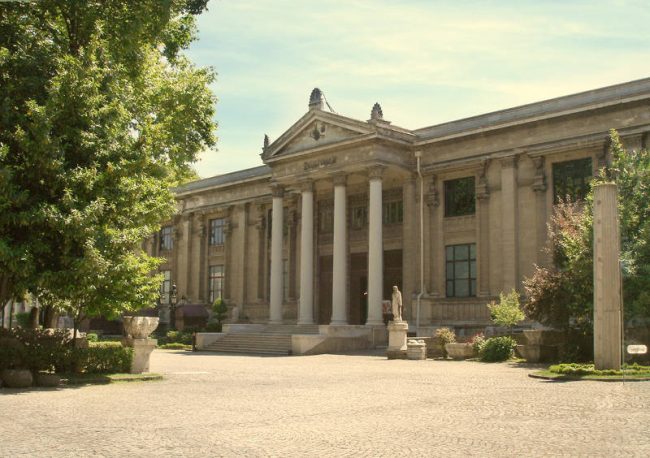
The Archeology Museum stands out as one of the rare structures built as a museum at that time in the world. It is one of the most beautiful and magnificent examples of neo-classical architecture in Istanbul. “Asar-ı Atika Museum” is written on the inscription in Ottoman Turkish found on the door pediments at the entrance of the museum. The tugra in the inscription, Sultan II. It belongs to Abdulhamid.
It was built by Osman Hamdi Bey between 1887-1888. Istanbul Archeology Museums Classical Building, built by the famous architect Alexandre Vallaury, opposite the Tiled Kiosk, was opened on 13 June 1891.
Halls 1, 16, 17, 18, 19, 20 on the lower floor of the Istanbul Archaeological Museums Directorate, all the halls on the upper floor, Assos Exhibition Hall and Istanbul Neighboring Culture: Thrakia, Bithynia – Biyzantium Exhibition Halls are located on the ground floor. The annex building is closed to visitors.
Istanbul Archeology Museum Important Artifacts
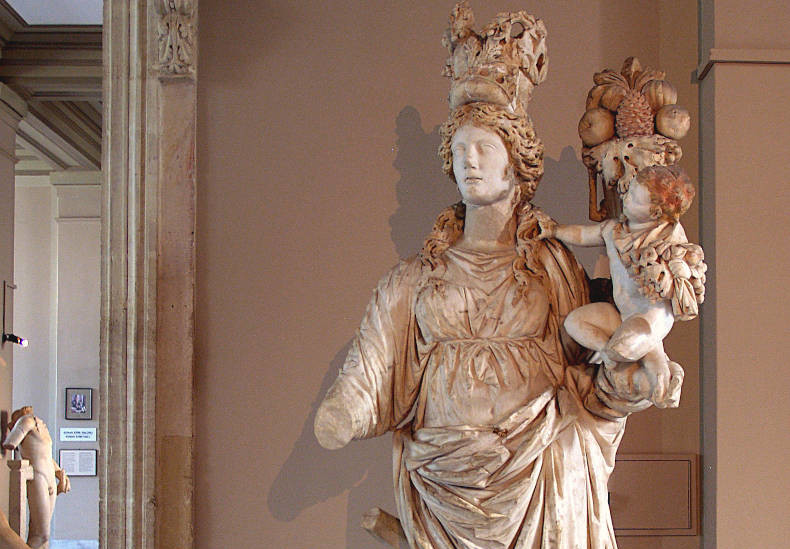
Alexander Tomb (Alexander Tomb), Crying Women Tomb (Mourning Women Tomb), Satrap Tomb, Lycian Tomb, Tabnit Tomb, Siloam Inscription, Sidamara Sarcophagus, Roman Empress statue in Pudicitia guise, brought to Istanbul from the Sidon King Necropolis excavation, Egypt-Hittite Peace Treaty Magnificent works such as. Sculptures of many pagan gods such as Zeus, Demeter, Aphrodite, Artemis, Hera, Apollo, and Eros are located in the museum. There are many sculptures specific to Hellenistic art and Roman art.

Istanbul Archeology Museum Important Artifacts Alexander Sarcophagus Tomb

Istanbul Archeology Museum Important Artifacts Aphrodite Statue Sculpts Artwork
Where is Istanbul Archaeological Museums, How to Go, Directions, Visiting Hours, Entrance Fee (Price)
Full address: Osman Hamdi Bey Yokusu Sokak, Gulhane, Istanbul, Turkey The complex is located in the Sultanahmet district, the historical peninsula of Fatih district; Osman Hamdi Bey, which connects Gülhane Park to the Topkapı Palace Museum, is on its slope. Istanbul Archeology Museums complex can be easily reached by walking downhill from the first courtyard of Topkapi Palace or by walking up the hill from the main gate of Gulhane Park.
To go to the museum, it is enough to get off at Gülhane Stop by using the Bağcılar- Kabataş Tram Line to reach the historical museum on foot. Those who want to come to the museum from the Anatolian Side can come to Eminönü or Kabataş piers from Kadıköy or Üsküdar ferry piers and switch to the tram line from these points.
Istanbul Archeology Museums, which are open every day of the week throughout the year, can be visited between 09:00 and 17:00. The Müzekart is valid in Istanbul Archeology Museums. Istanbul Archeology Museum entrance fee is 60 Turkish Liras.
Currently, the museum is partially open, but the annex building is closed to visitors due to restoration.

Where is Istanbul Archaeological Museums, How to Go, Directions, Visiting Hours, Entrance Fee (Price)