by Arthipo | 21 February 2022 | History of Art
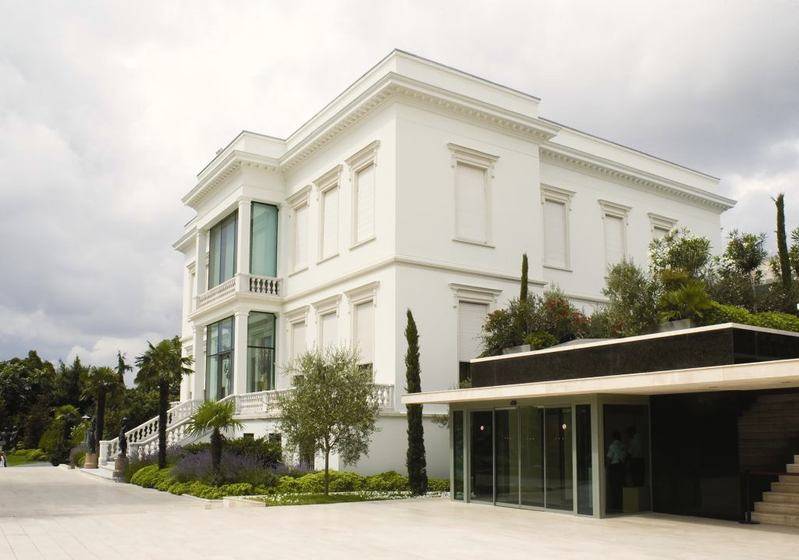
Sakip Sabanci Museum (SSM) consists of the building known as the Atlı Köşk and galleries added later. It is an art museum that contains a rich collection of calligraphy and painting and hosts the works of many famous artists with its temporary exhibitions.
Sakip Sabanci Museum History, Architectural Structure, Artifacts
The pavilion, where the museum is located today, was built by the Italian architect Edouard De Nari in 1925 by Prince Mehmed Ali Hasan of the Egyptian Khedive family. The mansion, which was used as a summer residence by the family for many years, was purchased by the industrialist Hacı Sabancı. In 1951, the house was called the “Equestrian Mansion” because of the purchase by Ömer Sabancı of the horse statue erected in the garden, which is a work of French sculptor Louis Doumas dated 1864, and placed in the mansion. Another horse statue in the mansion is one of the rarest works of Sultanahmet Square, which was looted by the Crusaders in 1204.
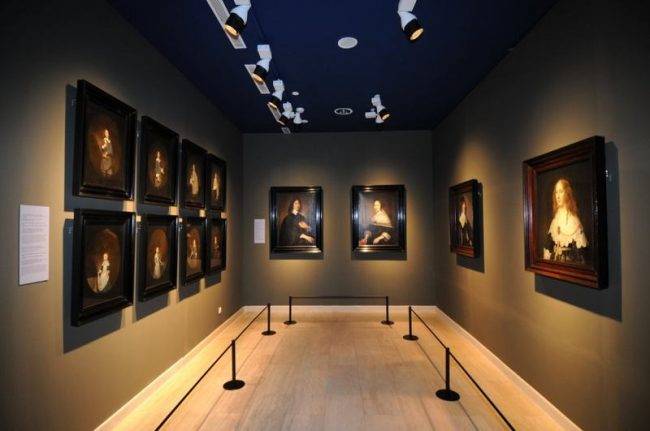
After the death of Hacı Ömer Sabancı in 1966, in 1974 the eldest son of the family, the famous businessman Sakıp Sabancı, took over the mansion. It was home to Sabancı’s special rich collection of calligraphy and painting, and in 1998 this building (with antique furniture) was given to Sabancı University by the Sabancı family to be converted into a museum. The museum, which was opened to visitors in 2002 with the addition of the gallery section, today reflects a multi-faceted understanding of museology with its rich collections, wide exhibition areas, international and national temporary exhibitions it hosts, conservation units, training programs, concerts, conferences and seminars.

Sakip Sabanci Museum History, Architectural Structure, Artifacts
Sakıp Sabancı Museum Architectural Structure and Interiors
The spaces of the Atlı Köşk, which is home to the permanent collection of the museum, as “Family Rooms”, reflect the eclectic style of European origin, which started to be seen in interior architecture with the effect of Westernization in the Ottoman Empire. Valuable French tapestry and silk upholstered living room sets, Napoleonic crested vases, and magnificent chandeliers that make up the SSM Furniture and Decorative Works Collection are the trends of this widespread fashion, which started from the middle of the 19th century and until the first quarter of the 20th century, which was effective in Istanbul as well as in Europe. is one of the outstanding examples. In this part of the museum, examples of early Turkish painting are also included with complementary accessories.
Important Artifacts
The museum’s painting collection consists of examples of early Turkish painting and works by foreign artists such as Fausto Zonaro and Ivan Ayvazovski, who worked in Istanbul during the last period of the Ottoman Empire. Among the local artists whose works are in the collection are names such as Osman Hamdi Bey, Şeker Ahmed Paşa, Süleyman Seyyid, Fikret Mualla and İbrahim Çallı. There are works by foreign artists such as Raphael, Konstantin Kapıdağlı, Osman Hamdi Bey, Şeker Ahmed Pasha, Süleyman Seyyid, Nazmi Ziya Güran, İbrahim Çallı, Feyhaman Duran, and Fikret Mualla in the collection, which concentrated between 1850-1950.
Three rooms on the ground floor of the Atlı Köşk, 18-19th century, used by the Sabancı Family while living in the mansion. century decorative art works and furniture, as well as archaeological and stone artifacts from the Roman, Byzantine and Ottoman periods are exhibited in the garden of the museum.
Where is Sakip Sabanci Museum, How to Go, Directions, Visiting Hours, Entrance Price
Full Address: Sakip Sabanci Museum Sakip Sabanci Street, 42 Emirgan 34467 Istanbul
He can take a bus from Taksim to Emirgan. Alternatively, take the Hop On Hop Off Classic Bosphorus cruise from Dentur Avrasya from Kabataş or Beşiktaş. You can continue the tour with a walk around the beautiful Emirgan Park.
SSM is closed on Mondays. The museum will be closed on the first days of religious holidays and on 1 January.
Tuesday – Sunday from 10:00 to 18:00
It can be visited between 10:00 and 20:00 on Saturdays.
Full Ticket – Single Entry: 50 TL
Where is Sakip Sabanci Museum, How to Go, Directions, Visiting Hours, Entrance Price
by Arthipo | 20 February 2022 | History of Art
Pera Museum
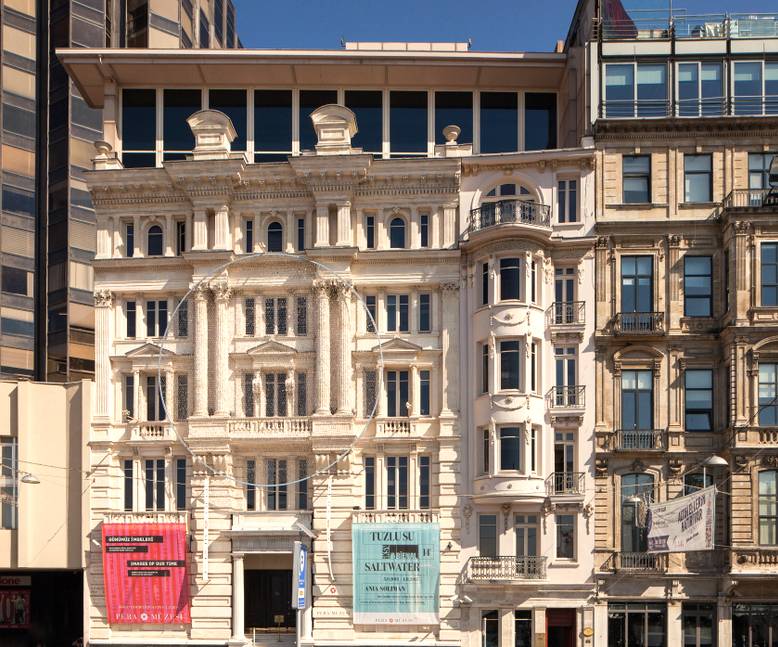
Pera Museum is a private museum that was established in 2005 by the Suna and İnan Kıraç Foundation to provide a wide range of quality and cultural services. It has been one of the landmarks of Beyoğlu since the day it was founded.
Pera Museum, History, Architectural Structure, Artifacts
It operates in the building, which was built as a contemporary and well-equipped museum, preserving the facade of the historical Bristol Hotel in Tepebaşı within the framework of the project prepared by the restorer architect Sinan Genim between 2003 and 2005.
“Orientalist Painting”, “Anatolian Weights and Measures” and “Kütahya Tiles and Ceramics” collections belonging to the Suna and İnan Kıraç Foundation and the values these collections represent; Pera Museum, which shares it with the public through exhibitions, publishing products, oral activities, film screenings, learning programs and scientific studies, and aims to pass it on to future generations, also hosts important names of world art with its periodic exhibitions.
Among them are the Tate Britain, the Victoria and Albert Museum, St. Petersburg Russian State Museum, JP Morgan Chase Collection, New York School of Visual Arts, and Maeght Foundation, the Pera Museum produces joint projects with the world’s leading museums, collections and foundations. , Josef Koudelka, Joan Miró, Akira Kurosawa, Marc Chagall, Pablo Picasso, Fernando Botero, Frida Kahlo, Diego Rivera, Goya, Manolo Valdés, Andy Warhol, Cecil Beaton, Alberto Giacometti, Giorgio de Chirico, Sergey Parajanov. brought our country together with art lovers. Pera Museum, which has been organizing exhibitions supporting young artists every year since its opening, in cooperation with national and international education and art institutions, enriches all its exhibitions with books, oral activities and learning programs. Standing out with its periodical programs and events, Pera Film organizes comprehensive screenings for visitors and cinema enthusiasts, ranging from classics to independent films, animations and documentaries, sometimes parallel to exhibitions.
Pera Museum, which has become one of the most qualified, pioneering and popular museums in Turkey with the activities it has carried out since its establishment, serves as a comprehensive and contemporary museum-culture center in this very lively area of the city.
Pera Museum, History, Architectural Structure, Artifacts
Architectural Structure, Interiors
The building, which was built by architect Achille Manoussos in Istanbul’s favorite district Tepebaşı in 1893, was completely overhauled by Architect M. Sinan Genim and underwent major renovations to transform the interior into a modern and fully equipped exhibition space.
Permanent collections are displayed on the first two floors; The upper three floors are reserved for traveling exhibitions, always staged with aplomb and meticulously illuminated. A large auditorium in the basement is used for a film, conference and concert program.
The Anatolian Weights and Measures Collection exhibition, which is located on a large part of the first floor of the museum, features weights and measurement units and scales used in these lands from ancient times to the beginning of the 20th century. and measuring devices produced in various materials and techniques. The Anatolian Weights and Measures Collection, consisting of approximately 10,000 works and exhibited in sections with long-term exhibitions, is a collection that appeals to history and archeology lovers in particular.
The Kütahya Tile and Ceramics Collection, which is located on the other side of the same floor and constitutes an important part of Ottoman handicrafts and art mosaics from the middle of the 18th century to the beginning of the 20th century, constitutes an important part of the Ottoman handicrafts and art mosaics. With its strikingly beautiful works, it is presented to visitors with long-term thematic exhibitions, aiming to shed a new light on a very colorful and multicultural life and a place of creation that is not well known in our cultural history.
Important Works
Pera Museum, Suna and İnan Kıraç Foundation’s “Orientalist Painting”, “Anatolian Weights and Measures” and “Kütahya Tiles and Ceramics” collections and the values represented by these collections, exhibitions, publications, oral activities, educational activities and scientific studies hosting.
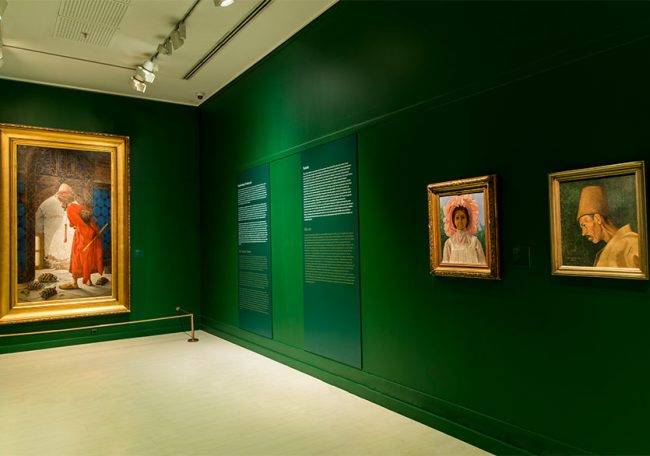
The Turtle Trainer by the great Ottoman painter and archaeologist Osman Hamdi Bey is perhaps the most famous painting in the museum. It also gives visitors the opportunity to experience Osman Hamdi Bey’s fictional working environment and his much-loved painting, The Turtle Trainer, through virtual reality technology.

Where is Pera Museum, How to Go, Directions, Visiting Hours, Entrance Price
Where is Pera Museum, How to Go, Directions, Visiting Hours, Entrance Price
The cultural center, located in the heart of the city, is in the Şişhane campus of Istanbul.
Full address: Meşrutiyet Caddesi No:65 34430 Tepebaşı – Beyoğlu – Istanbul
By metro, on Yenikapı – Hacıosman (M2) line, get off at Şişhane stop. Take the Şişhane exit and proceed on Meşrutiyet Caddesi. Pera Museum is a 10-minute walk away.
By bus, get off at the Tepebaşı-Beyoğlu bus stop in front of the British Consulate General in Tarlabaşı Boulevard. Pera Museum is 5 minutes walking distance.
Entry Fees
Full: 25 TL
Pera Museum can be visited free of charge every Friday between 18:00 and 22:00.
The museum is closed on the first day of religious holidays and on 1 January every year.
by Arthipo | 20 February 2022 | History of Art
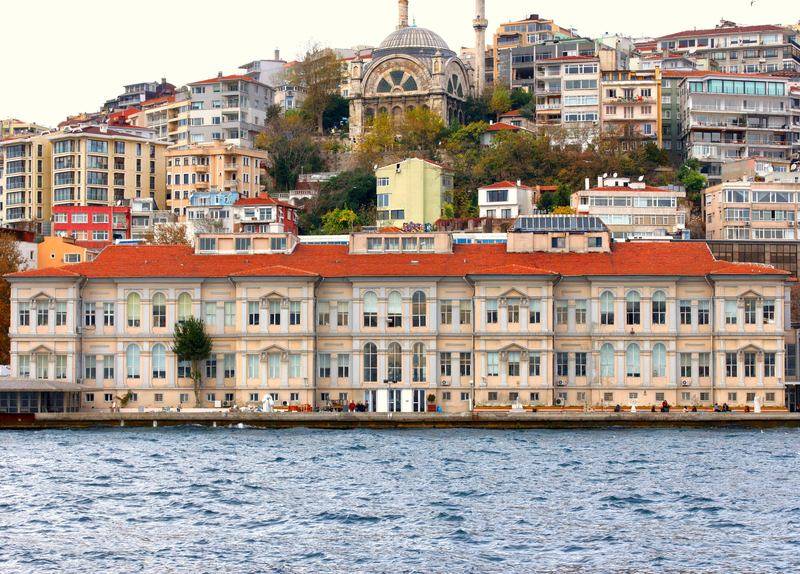
Mimar Sinan Fine Arts University
Mimar Sinan Fine Arts University was founded by Osman Hamdi Bey, an Art Historian, Archaeologist, Museologist, Painter, and Architect, in 1882, under the name Mekteb-i Sanayi-i Nefise-i Şahane, and started education on March 2, 1883 with 8 instructors and 20 students. It is the first Art and Architecture college established in Turkey.
Mimar Sinan Fine Arts University History and Present
In 1883, Sanâyi-i Nefîse Mektebi started teaching Painting, Sculpture and Architecture in the building opposite the Archeology Museum, with a teaching staff of eight and twenty-one students. Originally affiliated to the Ministry of Commerce, the institution was subordinated to the Ministry of Education in 1886.
In 1914, İnâs Sanâyi-i Nefise Mektebi, which includes only painting and sculpture departments for female students, started teaching.
The institution, which is the first art and architecture college in Turkey, took the name of Fine Arts Academy in 1928 and thus became the first higher education institution in Turkey to receive the title of academy.
The Academy of Fine Arts gained scientific autonomy in 1969. The institution continued its activities under the name of Istanbul State Fine Arts Academy. Adile Sultan Palace, which was used as Istanbul University Faculty of Letters and later as Atatürk Girls’ High School, was given to the Academy of Fine Arts. The restoration of this building, located next to the Academy, and its integration with the main building through the library built in between, lasted until 1975. The building was opened to education on this date. The Turkish Film Archive was connected to the Fine Arts Academy and renamed the Istanbul State Academy of Fine Arts Film Archive.
Mimar Sinan Fine Arts University History and Present
Becoming a University
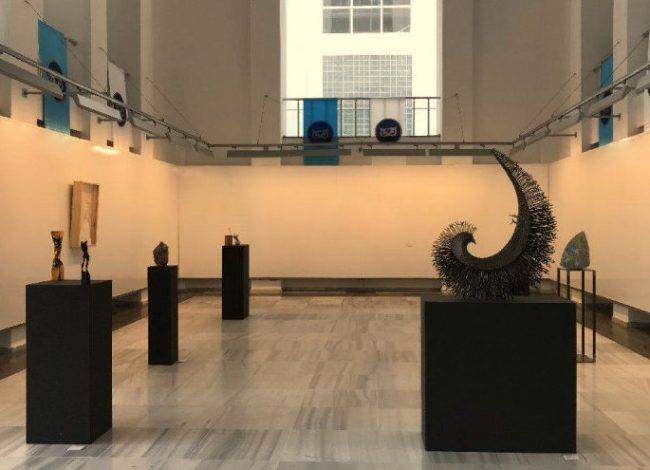
The institution turned into a university on July 20, 1982 and was named Mimar Sinan University. In 2004, the words fine arts were added to his name.
Today, the state university, whose central campus is located in the Fındıklı district of Istanbul, continues to provide education as one of the favorite schools of Istanbul with its historical architectural structure, applied workshop classes and deep-rooted history.
Fine Arts University Departments
Cinema and Television, Art History, History, Architecture, Turkish Language and Literature, Industrial Design, Interior Architecture, Mathematics, Sociology, Statistics, City and Regional Planning, Archeology, Philosophy, Physics, Conservation and Restoration of Cultural Heritage, Architectural Restoration, Clothing Production technology.
University is the dream of many young people who want to study in the field of fine arts.
by Arthipo | 20 February 2022 | History of Art
Established in 2004 as Turkey’s first modern and contemporary art museum in order to share Turkey’s artistic creativity and cultural identity with the national and international art scene, Istanbul Modern hosts interdisciplinary events.
Istanbul Modern Museum, Arts History, Architectural Structure, Works
Istanbul Modern, Turkey’s first private museum dedicated to modern and contemporary arts, was established in 2004 to increase public interest in art. Located on the European shore of the Bosphorus, the museum has quickly become a multidimensional center where people of all ages and all types come together and make culture a part of their daily lives.
The seeds of the museum were sown in 1987, at the 1st International Contemporary Art Exhibitions, today’s International Istanbul Biennial. Influenced by the interest and dynamism that the exhibition brought to the Istanbul art scene, the founder of the Istanbul Culture and Art Foundation, Dr. Nejat F. Eczacıbaşı took action to establish a permanent modern art museum in Istanbul.
After a long search, Feshane, which was a 19th century industrial area in the Golden Horn, was turned into a contemporary art museum. The building hosted the 3rd Istanbul Biennial in 1991, but the long-term project could not be realized. Since then, many projects have tried to realize the idea of a modern art museum in Istanbul, but the attempts could not come to fruition as a suitable venue could not be found.
The project came to the fore again in 2003, after the 8th Istanbul Biennial used the customs warehouse number four next to Mimar Sinan Fine Arts Academy as its main venue.
Istanbul Modern Museum, Arts History, Architectural Structure, Works
When Prime Minister of the time, Recep Tayyip Erdoğan, approved the permanent use of the warehouse, the main obstacle to the museum project was removed. T.R. The 8000 m2 building, which was built as a dry cargo warehouse for Maritime Enterprises, has been transformed into a fully equipped, modern museum by Tabanlıoğlu Architecture.
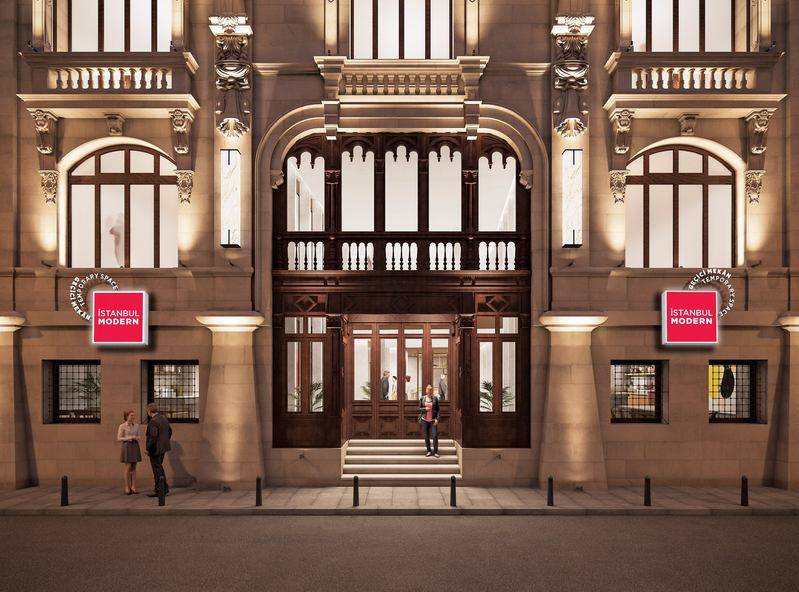
Continuing its activities in this building for 14 years as Turkey’s first modern and contemporary art museum, İM moved to its temporary location in Beyoğlu as of May 2018.
The historical Union Française building on Meşrutiyet Street has been prepared in such a way that it will continue all its activities until the new building, which is located within the Galataport area of Istanbul Modern and will be built with the joint contribution of the museum’s founding sponsor Eczacıbaşı Group and main sponsor Doğuş Holding – Bilgili Holding, is completed.
Architectural Structure
The temporary space where Istanbul Modern will continue its activities for 3 years is located in Beyoğlu, the heart of culture and art. Union Française building, signed by Alexandre Vallaury, on Meşrutiyet Street, 19th Century. It was built locally for the French, who became an important group in the social life of Istanbul at the end of the 19th century. The building currently serves art lovers as the temporary space of the museum.
Istanbul Modern Art Works
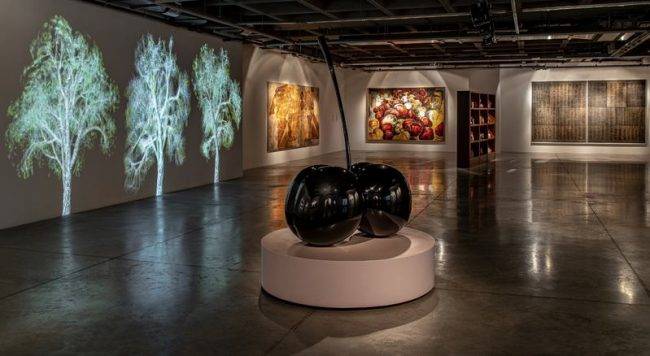
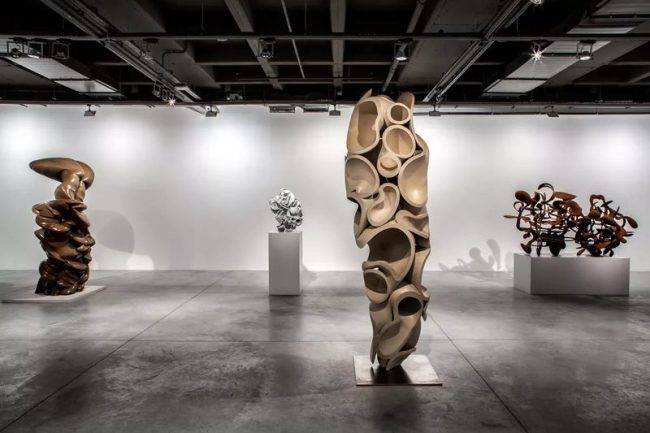
In the museum, the development of abstract and figurative painting in the art environment of Turkey after 1950 is presented in a chronological flow through iconic examples. The collection is based on a geometric and lyrical approach, making visible the visual and intellectual effects of abstract painting, nourished by Anatolian and Islamic culture. The collection brings together different works of the contemporary art world shaped by nature and the environment, from the social realist examples of figurative painting to the New Figurative approaches of the 1970s and the expressionist and conceptual examples of the 1980s. The museum focuses on the recently produced works of artists who are sensitive to environmental problems and who trace the cultural reflections of nature in different disciplines such as painting, sculpture, video and photography. This selection and exhibition brings together artists from different generations with an approach that wants to draw attention to the loss of nature, the depletion of resources and the inevitable increase in environmental problems.
Where is Istanbul Modern Art Museum, How to Go There, Directions, Visiting Hours, Entrance Price
Full address: Asmalımescit Mahallesi Meşrutiyet Caddesi, No:99 Beyoğlu, Istanbul, Türkiye
By using the M2 line by metro, from Şişhane station, from Karaköy by using the Tunel tram,
You can reach the bus from Şişhane 1 and 2 stops within walking distance.
The museum, which is open every day of the week except Monday, is closed on January 1 and on the first days of religious holidays every year.
Tuesday – Saturday: 10:00 – 18:00
Sunday : 11:00 – 18:00
Entry Fee Full: 35 TL
Where is Istanbul Modern Art Museum, How to Get There, Directions, Visiting Hours, Entrance Price
by Arthipo | 20 February 2022 | History of Art
Vatican Museums
The Vatican Museums are public art and sculpture museums in the Vatican City complex. They are located in the old wings of the Vatican Palace. The Vatican Museums are one of the most visited places in the world, attracting millions of visitors each year.
Vatican Museum History, Architectural Structure, Artifacts
Most of the works, Pope II. It was collected by Julius. However, Julius’ most important contribution was that he was the patron of Renaissance art. Julius rebuilt St. Peter’s Basilica. He commissioned Michelangelo’s Sistine Chapel and Raphael’s Rooms. He founded the Vatican Museums in 1506.
The works in the Vatican crown the priceless beauties of Western art. It is a testament to history, telling stories about the rise and fall of the Roman Empire, the history of the Catholic Church, and the birth of the Renaissance.
The Vatican Museums were originally born as collections of classical sculptures. This is because the Popes saw themselves as the legitimate heirs of Roman history. The pagan city had become Christian, the imperium of Augustus and Trajan united with the imperium sine of the Catholic and Apostolic Church. That is why the monuments of Roman civilization were preserved, preserved and valued the greater glory of God and the honor and glory of the Church.
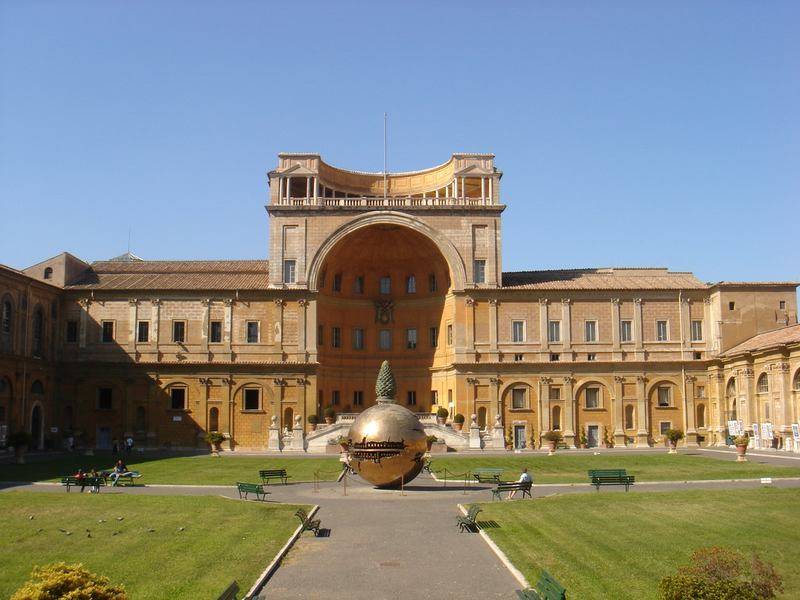
Home to the first core of classical works of the Vatican Museums in 1506 is the Courtyard of Sculptures, today the Octagon Court.

Vatican Museum History, Architectural Structure, Artifacts
Vatican Museums Important Artifacts
The Museum of Egyptian Art displays countless examples of statues, sarcophagi and mummies, Mesopotamian cuneiform tablets and seals among its various exhibition halls. The Picture Gallery (Pinacoteca) contains works by Giotto, Caravaggio, Beato Angelico, Perugino, Leonardo, Titian, and Raphael.
Visitors are allowed in the Vatican Palaces. Raphael’s Rooms are decorated with beautiful frescoes performed by the artist between 1508 and 1524.
The real attraction, however, is the Sistine Chapel, a marvelous masterpiece produced by the contributions of many artists, including Perugino, Botticelli, Rosselli and Ghirlandaio.
The most famous contribution is undoubtedly Michelangelo’s painting with the ceiling and the Last Judgment behind the altar.
The Sistine Chapel is world-renowned not only for its magnificent decoration, but also for being the venue of the Pontifical Meeting.

Vatican Museums Important Artifacts
Architectural Structure and Interiors of the Museum
Egyptian and Etruscan Museums
The Gregorian Egyptian Museum and the Gregorian Etruscan Museum were founded by Pope Gregory XVI in 1839 and 1837 to complement the antiquities collection of the Papal Museums and to give a broad perspective on these two civilizations, which were crucial to the development of Mediterranean culture.
Pio Clementino Museum
The Pio Clementino Museum is the heart of the Vatican’s collection of Ancient sculptures and was one of the first buildings to be designed as an Art Museum. The foundation dates back to the papacy of Clement XIV (1769-1774) and Pius VI (1775-1799), but the original collection was housed in the famous Belvedere courtyard already in the Renaissance. Sculptures such as Laocoon, Apollo del Belvedere and Torso have been studied by generations and generations of artists and experts and have become prime examples for the evolution of the canon of beauty into European Art.
Chiaramonti Museum
The Chiaramonti Museum is named after Pope Pius VII Chiaramonti and was opened in 1806 during the dramatic years of the war against Napoleon. Many works of art were brought to France, and even the Pope himself was imprisoned by the French emperor in 1809. With the fall of Napoleon, Antonio Canova, the most famous sculptor of his time, was chosen to have all the artworks taken from him be recovered and displayed in this new hall. Nearly 1,000 pieces of antiques are finally on display, with special attention paid to the extraordinary collection of Roman portrait busts.
The new wing was added to the Chiaramonti Gallery when all the art confiscated by France was returned to Rome. Architect Raffaele Stern designed a building whose primary purpose is to bring better fruit to works of art. Excellent natural lighting still helps to admire such masterpieces as Augustus of Prima Porta and Athena of Giustiniani.

Vatican Museum History, Architectural Structure, Artifacts
Lapidary Gallery
The Lapidary Gallery was built in the 16th century by Bramante, by Pope Paul II. It is on display in the Ambulacrum Iulianum, a corridor built for Julius and consisting of numerous collections of concise inscriptions. The section is normally closed to visitors.
Gregoriano Profano Museum
The Gregoriano Profano Museum was founded by Gregory XVI in 1844 and houses the findings of archaeological excavations of that period. Particularly interesting are some Imperial Roman-era copies of Greek originals and a collection of funerary marbles.
Lapidario Profano old Lateranense
Lapidario Profano ex Lateranense consists of a collection of Roman inscriptions on display in the Vatican Museums after they were transferred from the papal palace in Lateran in 1981.
Pius-Christian Museum
The Pius-Christian Museum was created by Pope Pius IX to house the artworks of the early Christian era in Rome. Officially established in 1854, the Museum immediately became an exhibition space for works of art excavated by the Pontifical Sacred Archaeological Commission established two years earlier. Besides the important sarcophagus collection, the “iconic” Good Shepard statue is also worth seeing.
Christian Lapidarium and Jewish Lapidarium
The Christian Lapidarium and the Jewish Lapidarium are two collections of ancient inscriptions, both transferred from their former home in the Lateran Palace to the Vatican. They represent a unique “marble stone library” of the early Christian and Jewish world in Rome.
Pinakoteca
Pinacoteca literally means “chest for painted boards” is an ancient Greek word and it perfectly describes this part of the Museum. More than 460 paintings, distributed chronologically, describe the development of Christian painting from the middle ages to the 19th century. There are works by artists like Giotto, Fra Angelico, Perugino, Leonardo, Tiziano, and obviously Raphael’s masterpieces, for example his last work, Transfiguration, and the magnificent tapestries documenting the lives of Peter and Paul.

Vatican Museums
Ethnology Museum
The Vatican Museum of Ethnology takes its origins from a temporary exhibition organized by Pope Pius XI in 1925. The enormous and unexpected success of the event convinced the Pope to make it permanent. Today, the collection is among the most diverse and comprehensive collections in the world.
Car Lodge
The Car House displays the history of papal activity from the 16th century to modern times. Old luxury cars are on display, along with famous cars donated to popes in recent years.
Christian Museum
The Christian Museum is dispersed in the west galleries of the new Belvedere Courtyard, which is now used as the corridor leading from the Sistine chapel to the Museum exit. The religious objects on display are focused on the history of faith and culture, from early Christianity to the modern Catholic world.
Blasphemy Museum, Vatican Museum
The Profane Museum dates back to 1761 and was one of the first collections to be opened to the public. It is located in the Clementine galleries and showcases non-Christian precious items such as cameos, ivory and bronze. The jewel is undoubtedly named for the Hall, a perfectly preserved “closet of antiquities” designed for Pope Clement XIII for the museum’s inauguration.
Room of the Aldobrandini Wedding
The Aldobrandini Wedding Room takes its name from the famous Roman fresco that once belonged to the Aldobrandini family and was one of the most influential paintings in the Roman empire. Other ancient frescoes and mosaics make this room unique for Roman art lovers. From the room there is a magnificent view of St. Peter’s dome.
St. Peter’s Martyr’s Chapel
St. Peter’s Martyr’s Chapel is located just in front of the Sistine Chapel exit. It was painted around 1570 by Giorgio Vasari and his student Jacopo Zucchi.
Contemporary Art Collection
The Contemporary Art Collection was opened by Pope Paul VI in 1973 and currently consists of around 8,000 works. It is located partly inside the magnificent Renaissance circle of Pope Borgia, giving the viewer an extraordinary contrast of ancient and modern. It contains masterpieces by Van Gogh, Bacon, de Chirico, Chagall, Morandi and many other artists that make this 20th century art collection one of the most important collections in Italy.
Sistine Chapel, Vatican Museums
The Sistine Chapel is arguably the most magnificent masterpiece of the entire Italian Renaissance and one of the most important works of art in all of European art. Chapel, Pope IV. It was built by Sixtius and is still named after him. On the side walls of the chapel, he commissioned paintings with the stories of Moses and Jesus, which were frescoed between 1481-1482 by artists such as Botticelli, Perugino and Ghirlandaio. In the same place, but a generation later, Pope Paul II in Rome. It was Michelangelo who would be chosen by Julius for the commission of the ceiling decoration. The Tuscan artist, though primarily a sculptor, created there a fresco painting that is considered his highest masterpiece: “la Volta” (the ceiling) represents the stories of Genesis (1508-1512), surrounded by gigantic Prophets and Sybils. 25 years later, Michelangelo worked again in the chapel, this time representing the end of the history of Christian Salvation: The Last Judgment, pope III.
Raphael’s Rooms
Raphael’s Rooms, Pope Paul II. Julius and his successors. Their current name comes from Raphaël, who, together with his workshop, decorated four rooms (Constantine Hall, Heliodorus Room, Segnatura Room, Fire Room at Borgo) between 1508 and 1524. The project occupied most of his working life and marked a turning point in High Renaissance history. With Raphael, art finally reached and surpassed the unattainable quality of Antique art.
Borgia Circle
The Borgia Apartments were decorated for the Spanish Pope Alexander VI Borgia. This legendary pope, who sat on the throne of Peter the day America was discovered, is also famous as possibly the worst sinner ever to ever sit on that throne.
The six areas of the apartments were decorated by Pinturicchio (1492-1494) and his school and are the absolute pinnacle of his art. Gilded Ancient Roman ornamental motifs, tales of saints, and an astonishing portrait of Pope Alexander VI are all detailed with skillful mastery of bright and jarring colors that make a visit to these chambers a real must.
Niccoline Chapel
The Niccoline Chapel owes its name to Pope Nicholas V and is fully decorated with fresco paintings by Beato Angelico around 1448. The Chapel is on the same level as the Raphael Rooms but is usually close to visitors.
Urban VIII Chapel
Urban VIII Chapel is located in Renaissance apartments, although the room only became a private chapel in 1631 at the request of Pope Urban VIII. The ceiling is completely decorated with plaster and frescoes depicting Stories of the Passion of Christ, the two authors are Alessandro Viviani and Pietro da Cortona, the walls are covered with precious ornate and stamped leather.
Immaculate Conception Room
The Chamber of the Immaculate Conception was frescoed by Francesco Podesti to celebrate the proclamation of the dogma of the Immaculate Conception by Pope Pius IX on December 8, 1854. Beautiful paintings depicting the theological aspects of dogma are installed on its four walls and with the vault on the floor, a Roman full-color mosaic originally from Ostia antica.
Chiaroscuri’s Room
The Chiaroscuri Room is located in the heart of the medieval palace. It was decorated with a series of Apostles and Saints made by Raphael and vigorously repainted a few decades later by the Zuccari brothers. Also noteworthy is the wooden coffered ceiling, a massive coat of arms of Pope Leo X Medici, following an original project by Raphael. The room is usually closed to visitors.
Where are the Vatican Museums, How to Go There, Directions, Visiting Hours, Entrance Price
Address : Via Vaticano, 00165 Rome
You can reach the Vatican museums on foot, by metro or by bus. Metro stops are Ottaviano and Cipro.
Tuesday to Saturday, 09:00 – 18:00
Entrance fee 17 Euros
The museums can be visited free of charge on the last Sunday of every month between 09.00-14.00.
The Vatican has a strict dress code, no shorts, no hats, no cleavage, no bare shoulders. If you’re there in the summer, there’s no air conditioning and it can feel overwhelming.

Where are the Vatican Museums, How to Go There, Directions, Visiting Hours, Entrance Price