
Surrealism
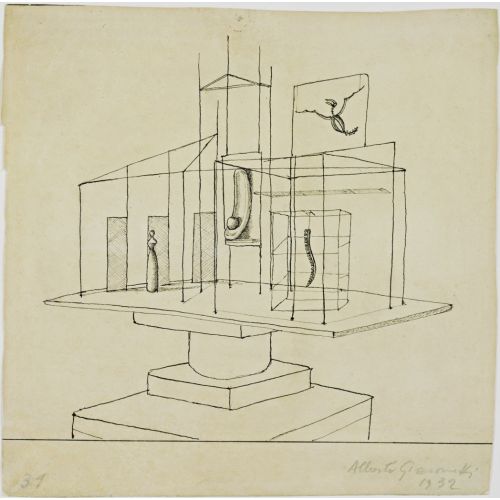
In this artwork, Alberto Giacometti explores the subject of The Palace through his distinctive drawing technique. The study showcases minimalistic forms and elongated figures that he is known for. Giacometti uses a monochromatic color palette with shades of gray to create depth and contrast in the c..
$10.80
Ex Tax:$9.00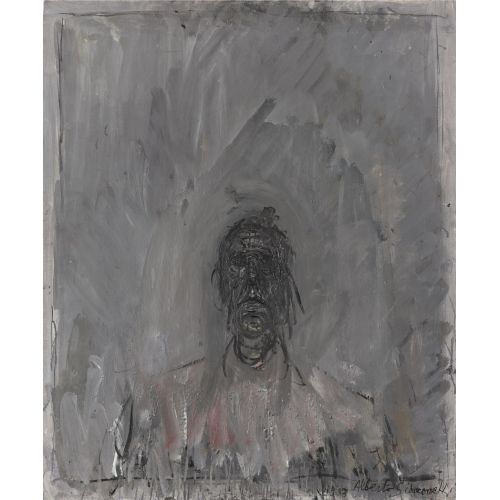
The subject of this work is a portrait titled "Tête de Diego" by Alberto Giacometti. It is a drawing technique using pencil on paper. The colors used in the artwork are grayscale as it focuses on shades of black and white. The type of paint used in this particular piece is not applicable since it's ..
$10.80
Ex Tax:$9.00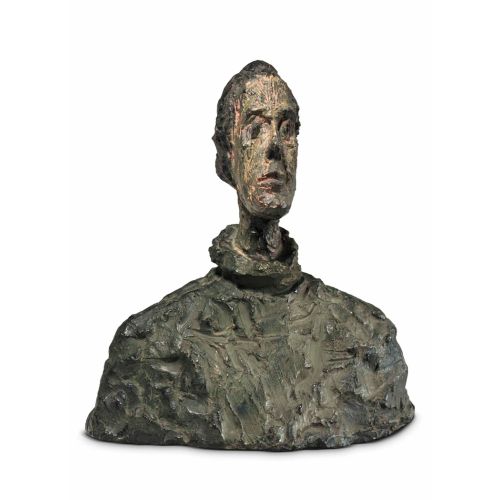
The subject of this artwork is a portrait titled "Tête de Diego au col roulé" (Head of Diego with a Turtle Neck). It was created by Alberto Giacometti. The drawing technique used in this piece is likely graphite or charcoal on paper, as it showcases the artist's delicate and expressive lines. There ..
$10.80
Ex Tax:$9.00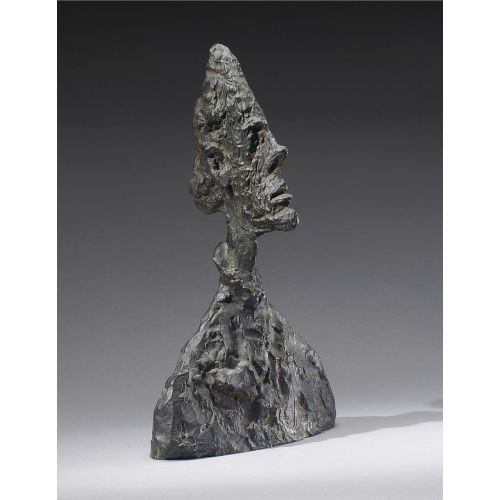
This artwork by Alberto Giacometti depicts the subject of "Tête de Diego II." The drawing technique used in this piece is detailed and precise, showcasing the artist's skill in capturing human form. The colors are primarily muted tones, with hints of earthy browns and grays. The type of paint used i..
$10.80
Ex Tax:$9.00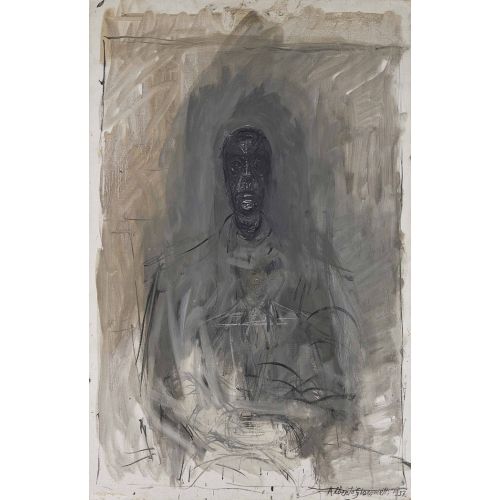
Alberto Giacometti's artwork, Tête noire (Black head), is executed in the drawing technique. The colors used are predominantly black and white. It is a work created with pencil or charcoal on paper. Tête noire portrays a human head that appears elongated and distorted, characteristic of Giacometti'..
$10.80
Ex Tax:$9.00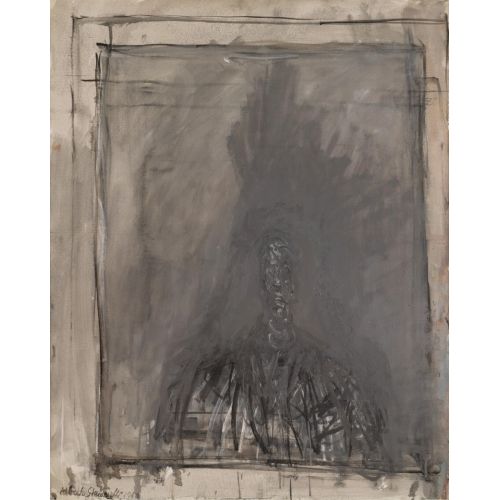
This artwork by Alberto Giacometti is titled "Tête Noire II." The subject of the work is a black head sculpture. It was created using his unique drawing technique that emphasizes elongated figures and thin features. The colors used in this piece are predominantly dark and mysterious, reflecting the ..
$10.80
Ex Tax:$9.00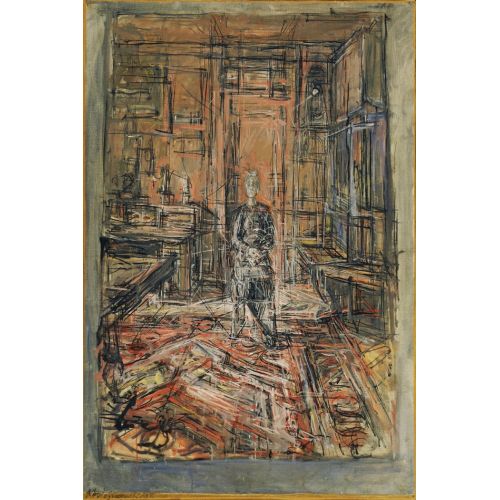
The artwork "The Artist's Mother" by Alberto Giacometti is a drawing created using graphite or charcoal technique. It features monochromatic colors with shades of gray and black on white paper. This work captures the artist's mother in a realistic yet abstract style, showcasing his mastery of portra..
$10.80
Ex Tax:$9.00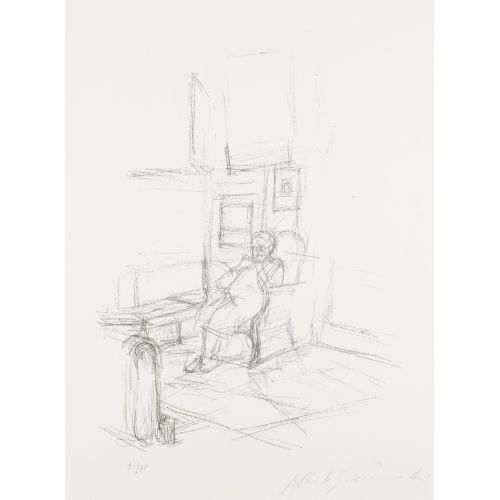
The work "The Artist's Mother Seated I" by Alberto Giacometti is a drawing created using pencil or charcoal technique. It primarily consists of black and white tones with shades of gray to create depth and dimension. This artwork holds sentimental value as it depicts the artist's own mother seated i..
$10.80
Ex Tax:$9.00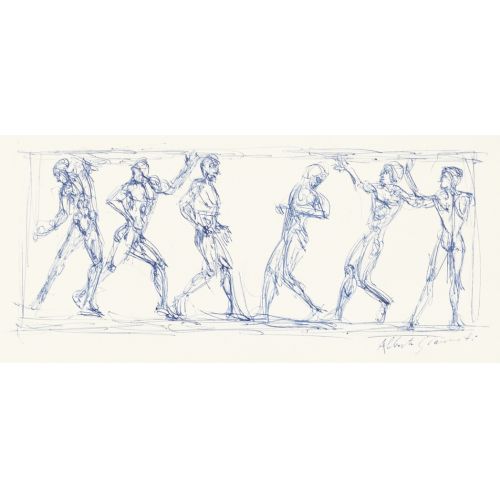
The artwork "The Ball Players" by Alberto Giacometti showcases his unique drawing technique and the use of neutral colors. This piece was created using pencil and charcoal on paper.This work depicts two elongated figures engaging in a game of ball. The thinness and fragility portrayed in the figures..
$10.80
Ex Tax:$9.00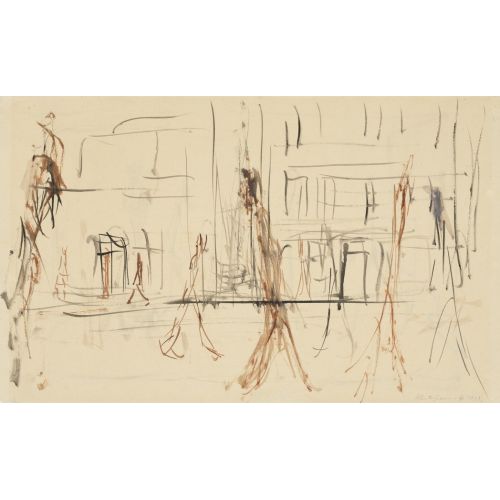
Subject: The artwork depicts a city square with various tall and thin figures scattered throughout. Drawing Technique: Giacometti used a sketch-like approach with loose lines to create the figures and the surrounding space. Colors: The work predominantly features shades of grey, creating a somber at..
$10.80
Ex Tax:$9.00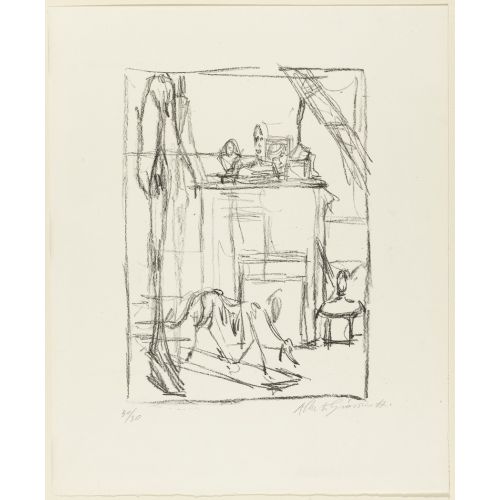
The subject of this work is Alberto Giacometti's famous sculpture titled "The Dog." It was created using his signature drawing technique, which involved elongating and distorting the forms to create a sense of fragility. The color palette used in this sculpture is muted and earthy tones. This artwor..
$10.80
Ex Tax:$9.00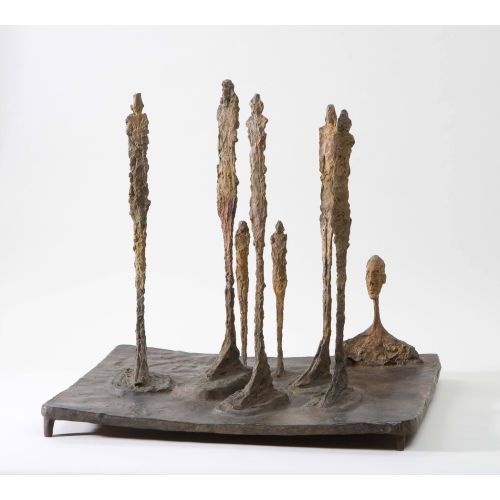
The subject of the work is Alberto Giacometti's depiction of a forest. He used his characteristic drawing technique to create this artwork, capturing the sparse and elongated figures he is known for. The colors in this piece are mostly earthy tones, reflecting the natural elements present in a fores..
$10.80
Ex Tax:$9.00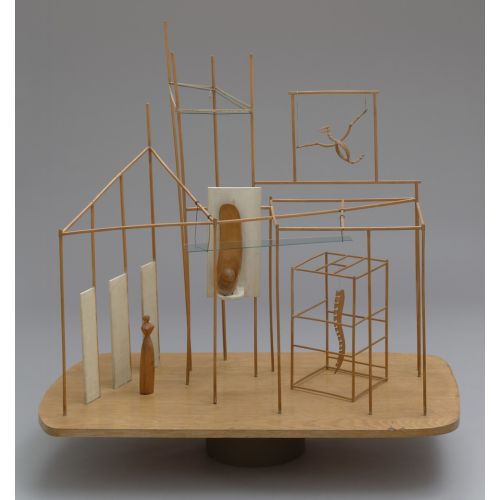
The artwork titled "The Palace at 4 a.m" by Alberto Giacometti showcases his unique style and mastery in drawing. Created using pencil on paper, the drawing primarily features monochromatic colors with subtle shades of gray. This work is known for its intricate details and delicate lines that depict..
$10.80
Ex Tax:$9.00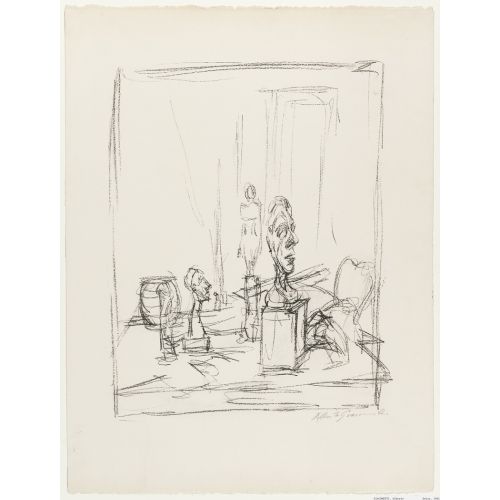
Subject: A depiction of the artist's studio Drawing Technique: Detailed and precise lines Colors: Mostly neutral tones with subtle hints of color Paint Used: Oil paints on canvas The artwork "The Studio" by Alberto Giacometti showcases his personal workspace in intricate detail. The meticulous dra..
$10.80
Ex Tax:$9.00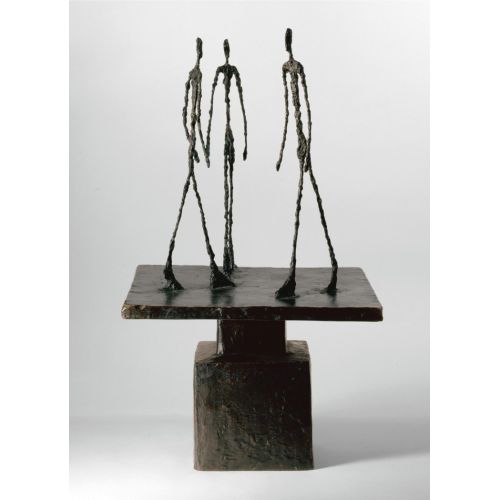
The subject of the work is "Trois Hommes Qui Marchent" which translates to "Three Men Walking." It depicts three thin and elongated figures in a walking motion. The drawing technique used by Alberto Giacometti for this artwork is expressive with sketch-like lines giving a sense of movement. The colo..
$10.80
Ex Tax:$9.00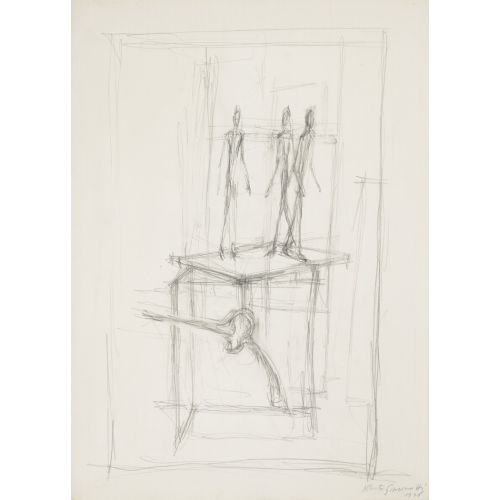
The subject of this artwork by Alberto Giacometti is two pieces of sculpture. The artist employed a detailed and realistic drawing technique to capture the essence of these sculptures. The colors used are predominantly earth tones, highlighting the natural qualities of the materials. It is not an oi..
$10.80
Ex Tax:$9.00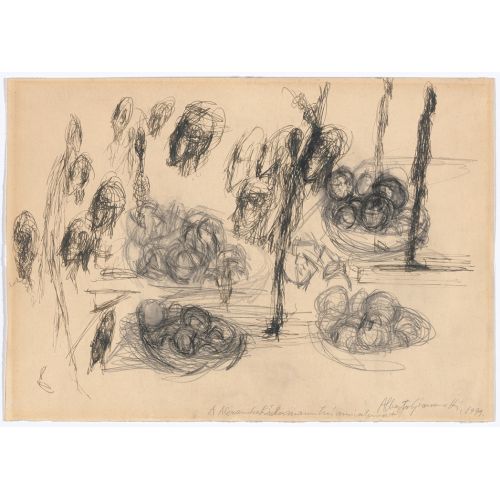
This artwork by Alberto Giacometti is an untitled piece. The drawing technique used in this work is precise and meticulous, showcasing the artist's attention to detail. The colors employed are primarily black and white, creating a stark contrast that adds depth to the composition. It was created usi..
$10.80
Ex Tax:$9.00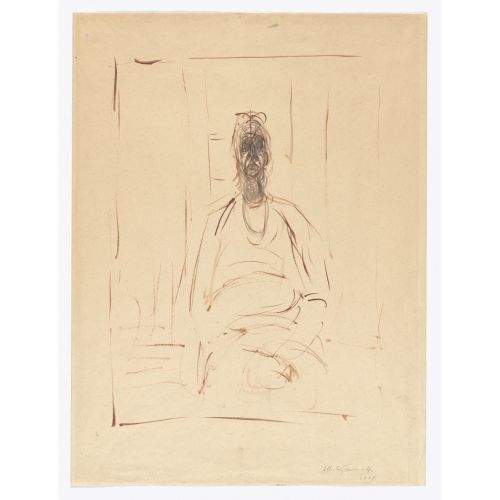
This artwork by Alberto Giacometti is an untitled piece that showcases his unique drawing technique. The work primarily consists of black lines drawn on white paper using a pen or ink. The use of minimal colors and the absence of paint contribute to the simplicity yet expressiveness of this piece.Th..
$10.80
Ex Tax:$9.00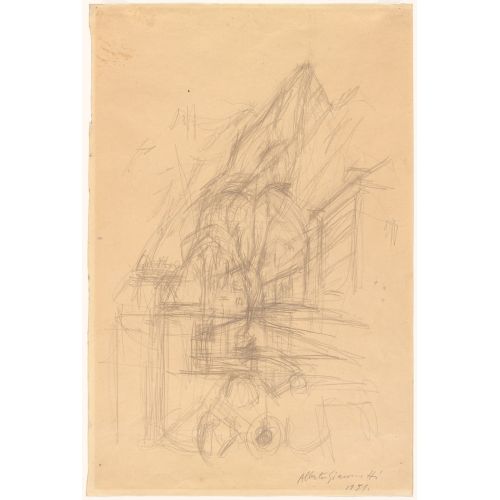
Alberto Giacometti's artwork "Untitled 3" showcases his drawing technique. The work consists of intricate lines and delicate shading, creating a sense of depth and texture. In terms of colors, it primarily uses black ink on white paper. This piece was created using the medium of pen or pencil. The ..
$10.80
Ex Tax:$9.00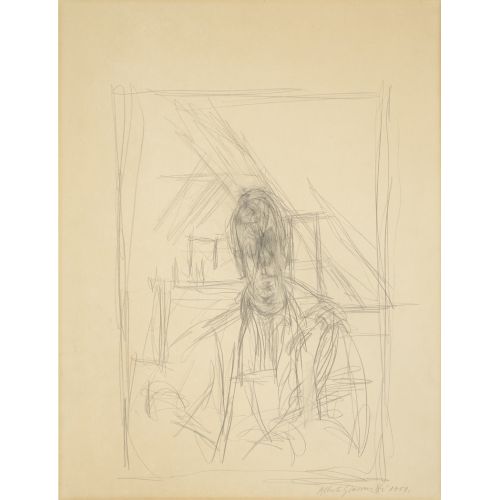
Subject: The subject of this artwork is Alberto Giacometti's fourth untitled piece. Drawing technique: It was created using a drawing technique that showcases the artist's signature elongated and thin figures. Colors: The work primarily features earth tones such as browns and grays. Type of paint..
$10.80
Ex Tax:$9.00