
Surrealism
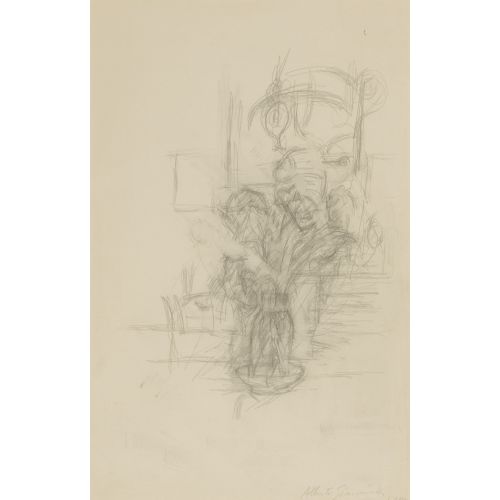
In this artwork by Alberto Giacometti titled "Fleurs," the subject of the work is flowers. The drawing technique used is detailed and precise, capturing the delicate features of each individual flower. The colors are primarily muted tones with hints of vibrant hues to highlight certain blooms. Oil p..
$10.80
Ex Tax:$9.00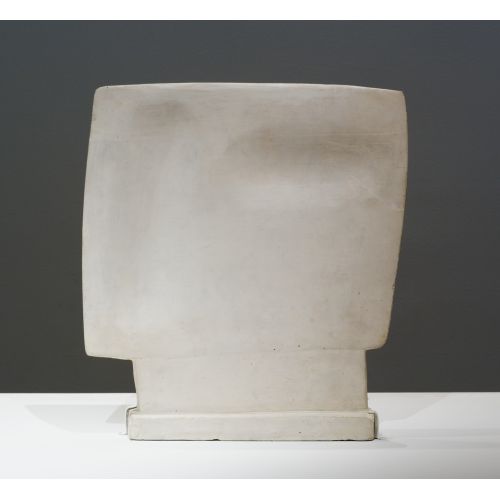
The artwork titled "Gazing Head" by Alberto Giacometti showcases a subject of a head in deep contemplation. The drawing technique employed is his signature style characterized by elongated and slender figures with rough textures. The colors used are mainly earth tones such as browns and grays, givin..
$10.80
Ex Tax:$9.00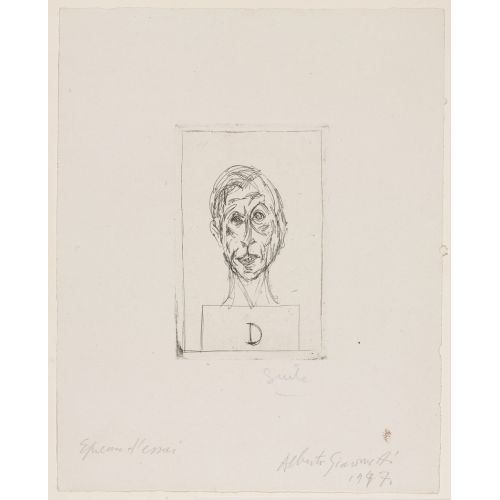
In this artwork, Alberto Giacometti and Georges Bataille collaborated to create a piece that explores the human form. The subject of the work focuses on depicting a distorted figure in an elongated and stretched manner. The drawing technique used is characterized by thin lines with intricate details..
$10.80
Ex Tax:$9.00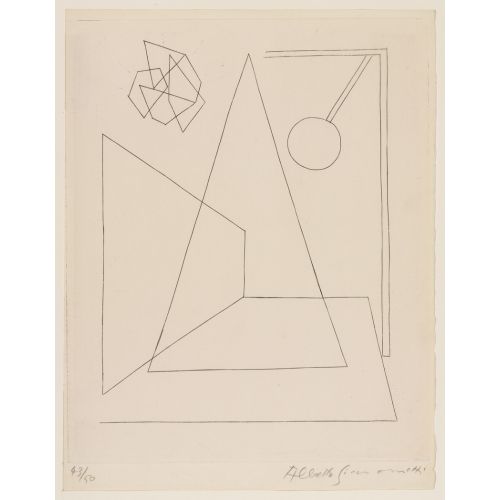
In this artwork by Alberto Giacometti titled "Gravures 23," the subject of the work is not specified. The drawing technique used is gravure printing, which involves etching an image onto a metal plate and then transferring it onto paper. The colors are likely limited to black and white since gravure..
$10.80
Ex Tax:$9.00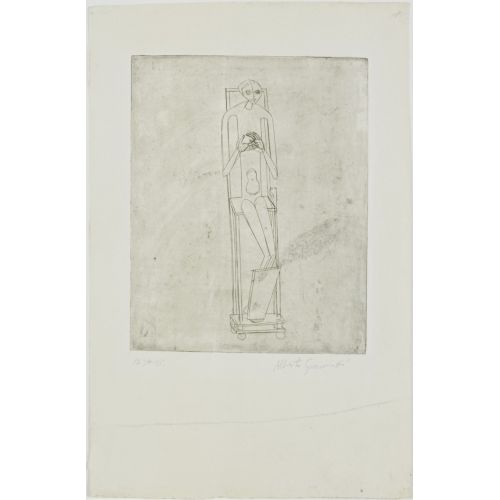
The artwork "Hands Holding a Void" by Alberto Giacometti is an iconic sculpture created in 1934. The subject of the work is two elongated hands delicately holding a hollow space, symbolizing absence and existential emptiness. This piece was made using bronze casting technique, resulting in its metal..
$10.80
Ex Tax:$9.00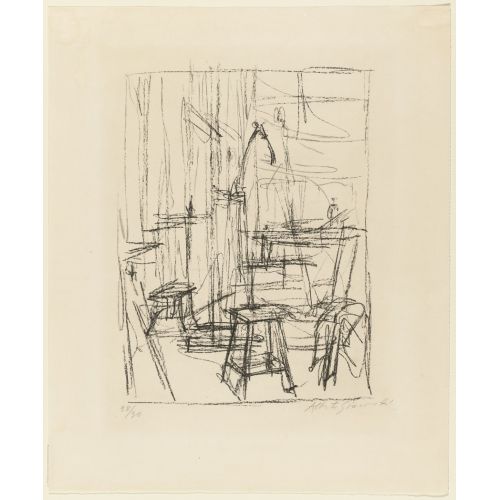
The artwork, "Head of a Horse II" by Alberto Giacometti is a drawing created using graphite pencil on paper. The colors used in this work are monochromatic shades of black and gray due to the medium employed. This piece demonstrates the artist's exceptional ability to capture intricate details with ..
$10.80
Ex Tax:$9.00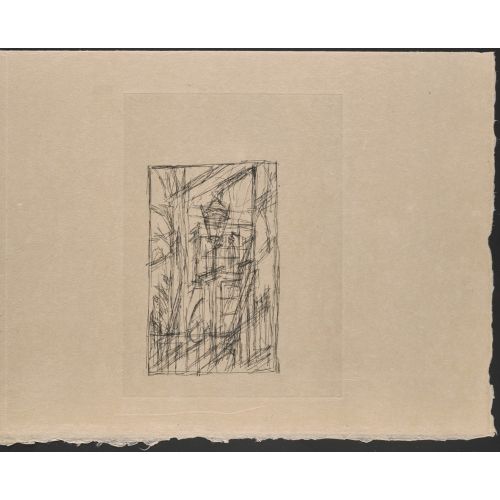
This artwork by Alberto Giacometti is titled "Hommage à Roger Lacourière." It is a drawing created using the technique of line art. The color palette used in this work consists mainly of black ink on paper. The meaning behind this artwork revolves around paying tribute to Roger Lacourière, an influe..
$10.80
Ex Tax:$9.00
The artwork "Homme qui chavire" by Alberto Giacometti depicts a male figure in a state of imbalance or tipping over. The drawing technique used is linear and expressive, with delicate lines that convey movement and emotion. The colors are mostly monochromatic, using shades of gray to enhance the sen..
$10.80
Ex Tax:$9.00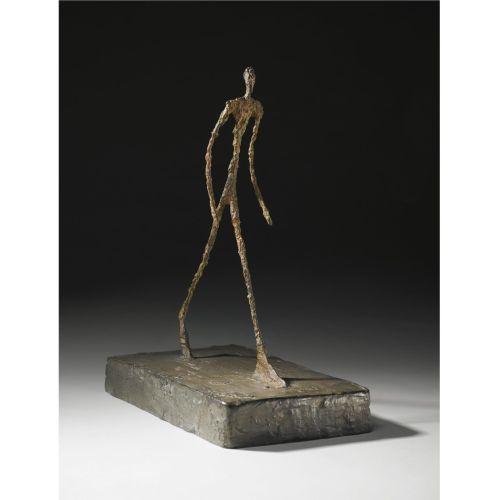
In this artwork, Alberto Giacometti depicts a figure walking across a square on a sunny morning. The drawing technique used is characteristic of his style, with thin and elongated figures. The colors are muted and earthy tones dominate the composition. It is believed that he used oil paint for this ..
$10.80
Ex Tax:$9.00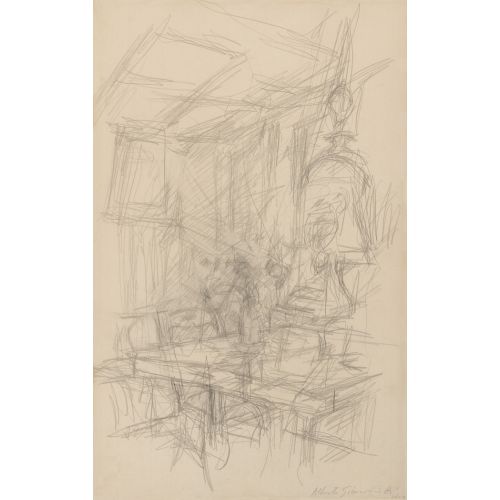
Subject: The artwork portrays the interior of a room in Stampa.Drawing Technique: Giacometti used expressive and gestural lines to depict the furniture and objects within the room.Colors: The painting predominantly consists of muted tones like grays, browns, and earthy hues.Type of paint used: Oil p..
$10.80
Ex Tax:$9.00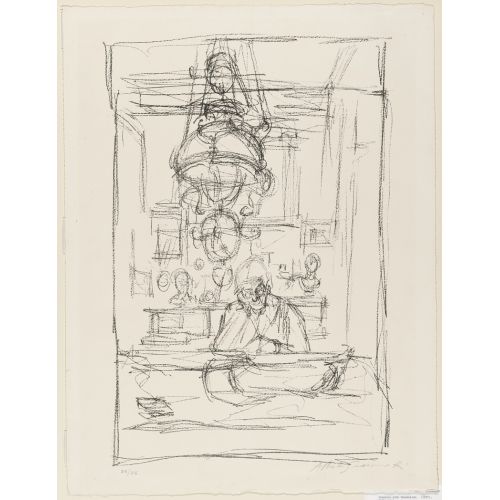
The subject of this work is an interior scene featuring a chandelier. It is a drawing technique used by Alberto Giacometti and the colors used in this piece are primarily black and white. The type of paint or medium used for this artwork is not applicable as it is a drawing. This artwork showcases ..
$10.80
Ex Tax:$9.00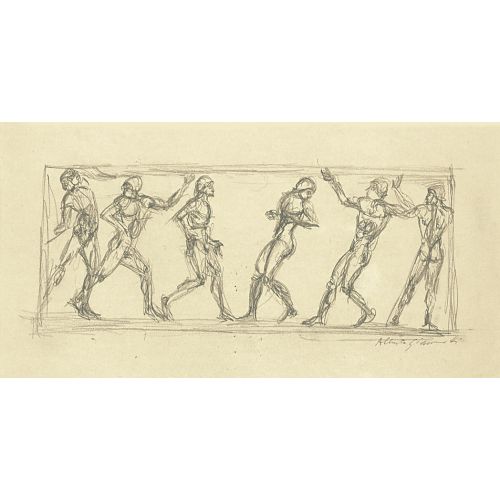
In this artwork, Alberto Giacometti portrays the subject of "Jeu de balle" (game of ball) through his drawing technique. The colors used in this piece are predominantly black and white, with shades of gray to create depth and contrast. The artist utilized a pen or ink drawing technique for precise l..
$10.80
Ex Tax:$9.00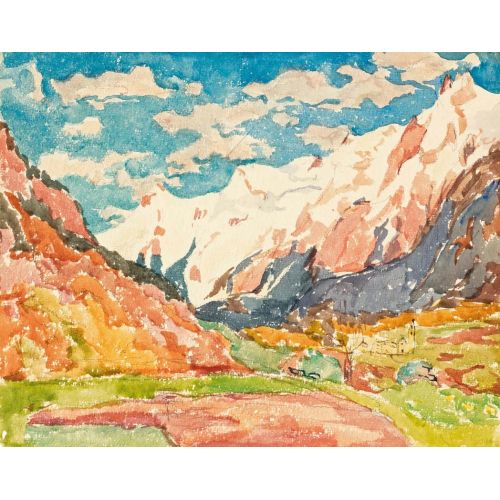
In this artwork by Alberto Giacometti titled "Kirche San Giorgio, Borgonovo", the subject of the work is a church located in Borgonovo. The drawing technique used is graphite on paper, creating intricate details and shadows. The colors are monochromatic due to the use of graphite. The style employe..
$10.80
Ex Tax:$9.00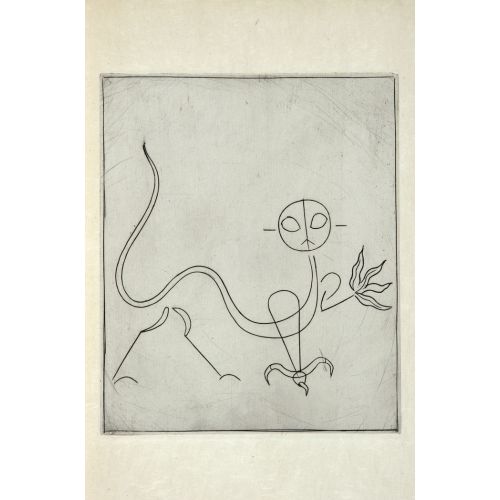
Alberto Giacometti's artwork "L'Air de l'Eau" is a drawing created using pencil or graphite. The drawing primarily consists of shades of black and gray, showcasing the artist's exceptional skill in capturing form and depth. This work does not involve any type of paint usage. The meaning behind "L'A..
$10.80
Ex Tax:$9.00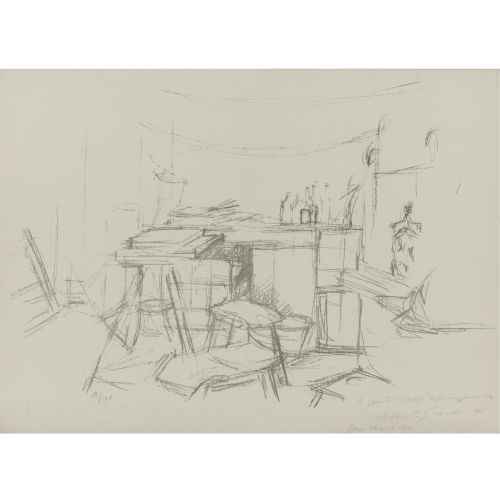
The subject of this artwork is Alberto Giacometti's studio, featuring bottles. It was created using a drawing technique that showcases the artist's distinctive style characterized by thin and elongated forms. The colors used in this work are mainly earth tones, with subtle variations throughout the ..
$10.80
Ex Tax:$9.00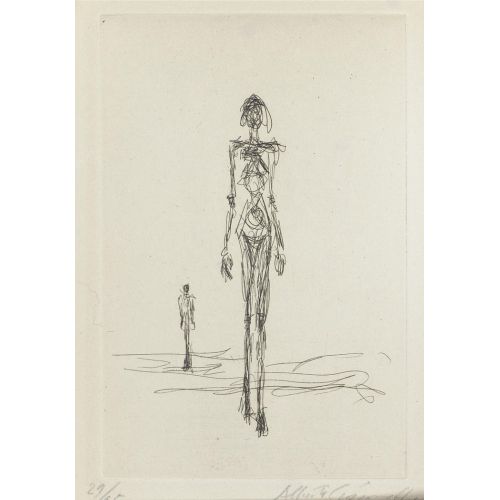
Alberto Giacometti's artwork titled "L'Épervier" is a subject of the work. It showcases his drawing technique with delicate lines and attention to detail. The colors used in this piece are mainly monochromatic tones of black, white, and shades of gray. The type of paint used by Giacometti in creatin..
$10.80
Ex Tax:$9.00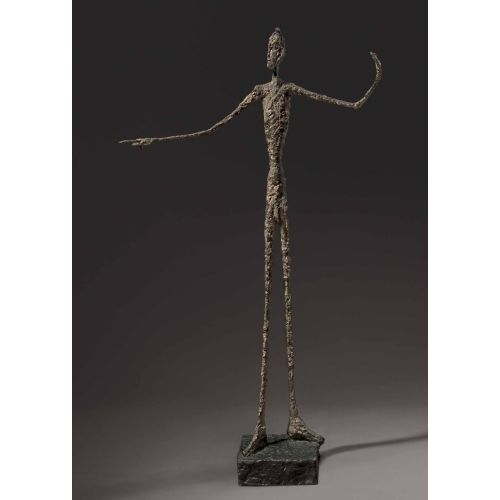
The artwork "l'homme au doigt" by Alberto Giacometti showcases a human figure with an elongated and thin body, emphasizing the artist's signature style. The drawing technique employed in this work is delicate yet precise, capturing the essence of Giacometti's exploration of existential themes. The c..
$10.80
Ex Tax:$9.00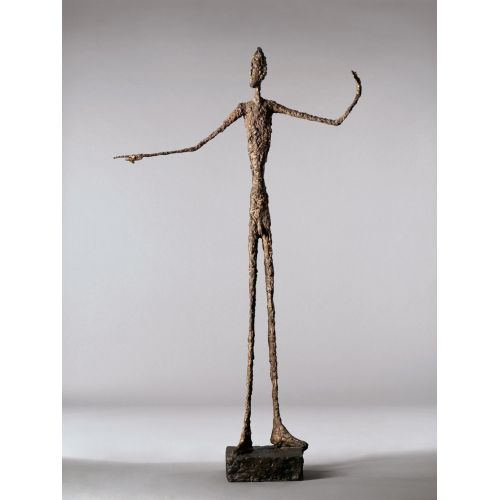
The artwork "L'Homme au doigt II" by Alberto Giacometti portrays a tall and slender figure with an elongated finger pointing upwards. This work is created using drawing technique on paper and primarily features neutral colors such as shades of gray and black. The artist used pencil or charcoal to cr..
$10.80
Ex Tax:$9.00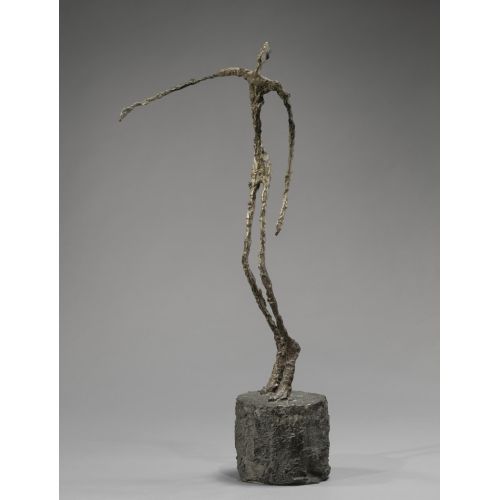
The subject of this work is Alberto Giacometti himself, portrayed in his characteristic style. The drawing technique used is precise and detailed, reflecting the artist's meticulous approach. The colors are minimalistic and subdued, mostly shades of gray and black. This artwork was created using oil..
$10.80
Ex Tax:$9.00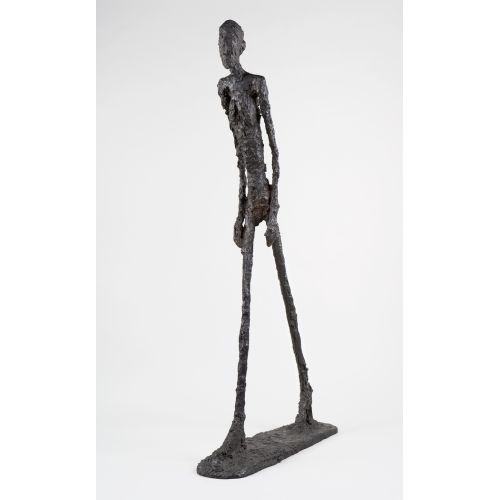
The artwork titled "L'Homme qui marche I" by Alberto Giacometti depicts a walking man. The drawing technique used in this work is mainly sketchy and expressive, with bold lines emphasizing the figure's movement. The colors are muted and earthy tones are used to convey a sense of melancholy. It is an..
$10.80
Ex Tax:$9.00