
Surrealism
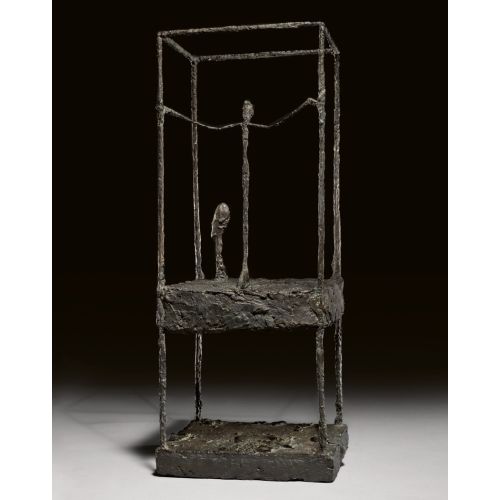
In this artwork, Alberto Giacometti depicts a subject of a cage. The drawing technique used is detailed and precise, showcasing the artist's skill in capturing intricate forms. The colors employed are primarily muted tones with hints of gray and brown, adding to the somber atmosphere of the piece. I..
$10.80
Ex Tax:$9.00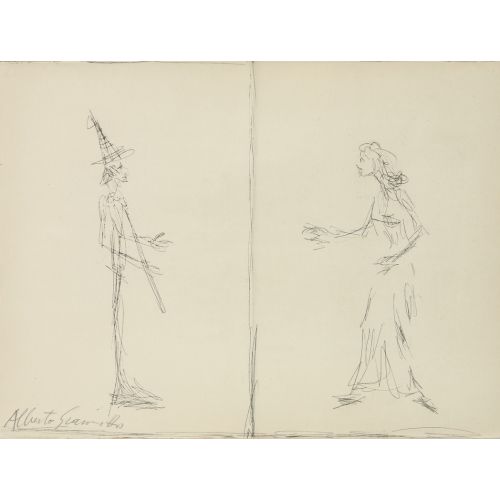
Subject: The artwork "La folie Tristan" by Alberto Giacometti depicts the figure of Tristan from the medieval legend of Tristran and Iseult. Drawing technique: Giacometti used a delicate and intricate drawing style in this work, capturing fine details with precise lines. Colors: The piece is primar..
$10.80
Ex Tax:$9.00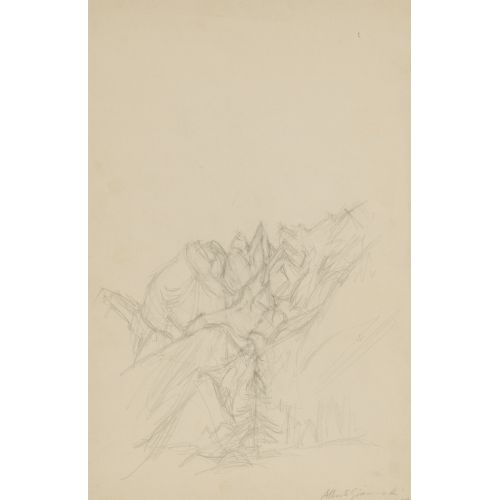
In this artwork, Alberto Giacometti portrays "La Montagne à Stampa." The drawing technique employed in the piece is a combination of sketching and fine detailing. The colors used are predominantly earthy tones with hints of blues and greens to depict the natural landscape. The type of paint used in ..
$10.80
Ex Tax:$9.00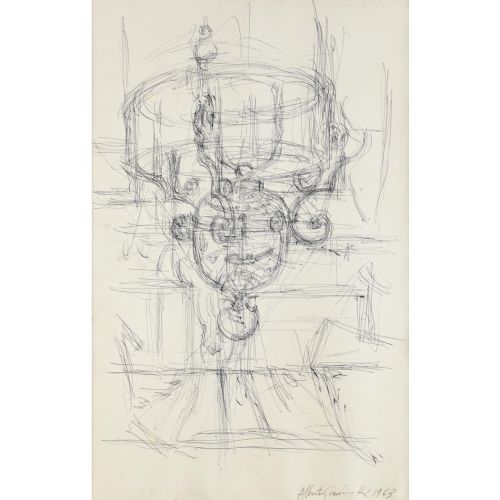
The subject of the work "La suspension" by Alberto Giacometti is a suspended figure. The drawing technique used in this artwork is a combination of thin and elongated lines with minimal shading. The colors used are mostly neutral tones such as black, white, and gray. The type of paint used in this p..
$10.80
Ex Tax:$9.00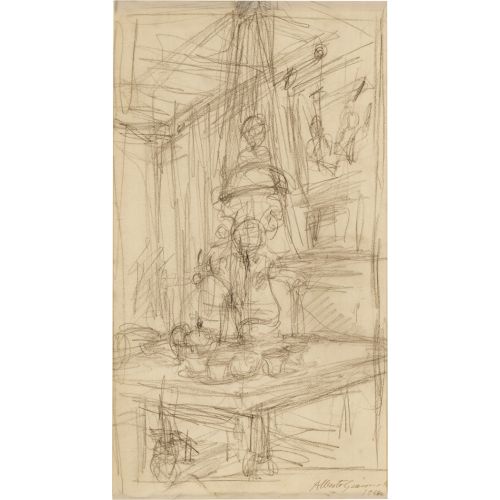
In the artwork "La Suspension à Stampa" by Alberto Giacometti, the subject of the work is a sculpture depicting a suspended figure. The drawing technique used is intricate and detailed, capturing the delicate features of the human form. The colors utilized are predominantly neutral tones, showcasing..
$10.80
Ex Tax:$9.00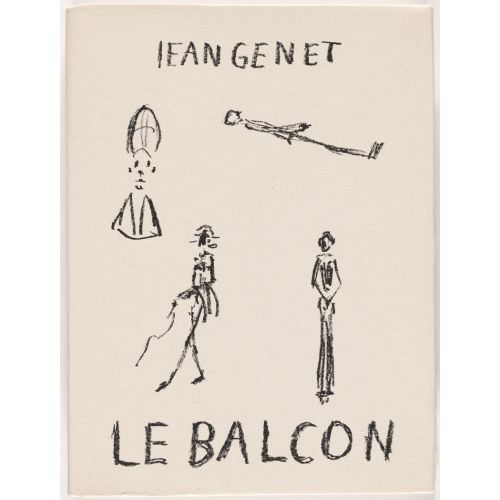
Le Balcon is a work by Alberto Giacometti. The drawing technique used in this piece is pencil on paper. The colors are mainly shades of gray and black due to the graphite medium. This artwork portrays a group of figures standing on a balcony, symbolizing existentialism and the isolation of individua..
$10.80
Ex Tax:$9.00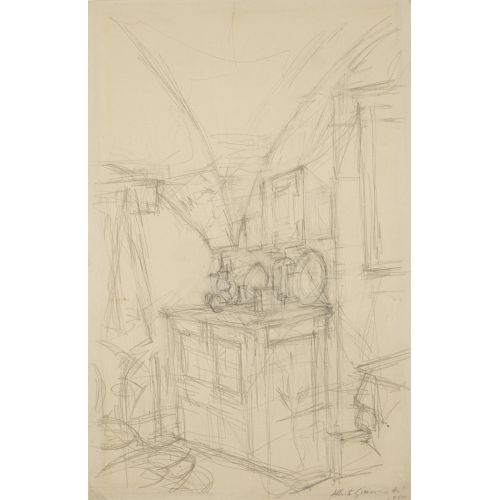
The artwork titled "Le Buffet" by Alberto Giacometti showcases a subject of a buffet table. The drawing technique used in this work is characterized by thin and elongated figures, typical of Giacometti's style. The colors employed are muted shades like grays and browns to create a somber atmosphere...
$10.80
Ex Tax:$9.00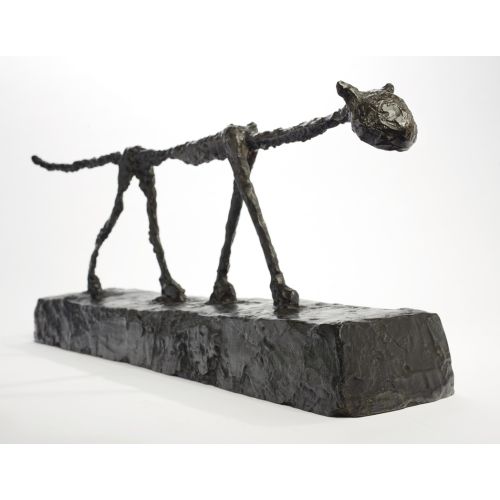
Le Chat by Alberto Giacometti is a sculpture depicting a thin and elongated cat in his signature style. The artwork was created using the drawing technique of modeling clay and then casting it in bronze. The colors used are predominantly metallic brown with hints of patina on the surface. This work ..
$10.80
Ex Tax:$9.00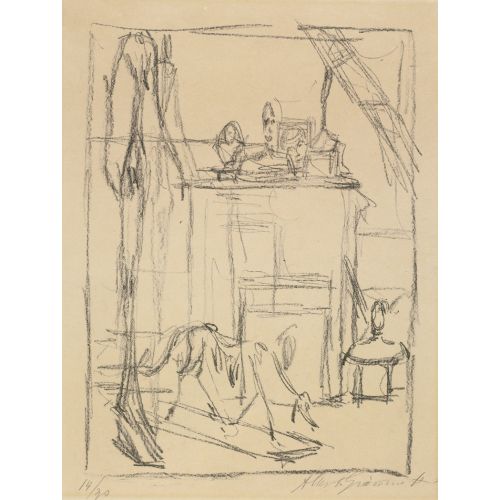
The subject of this work is Alberto Giacometti's sculpture titled "Le Chien" (The Dog). The sculpture represents a thin and elongated dog figure. It was created using the drawing technique of sculpting in clay and then casting it in bronze. The color of the artwork is predominantly a dark brown pati..
$10.80
Ex Tax:$9.00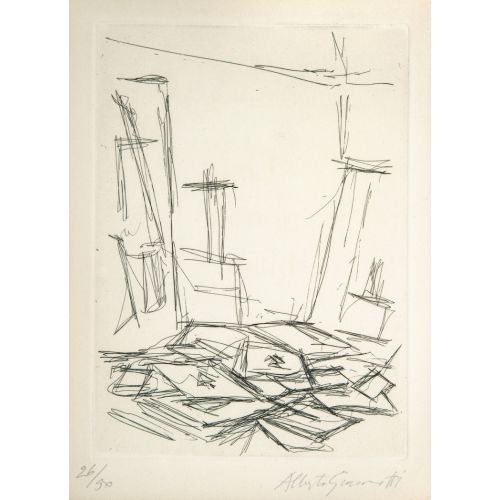
The subject of the work is Alberto Giacometti's sculpture titled "Le Moteur Blanc." The drawing technique used in this artwork is sculpting, as it was created through a process of molding and shaping materials. The colors are primarily white due to its title, which means "The White Motor" in English..
$10.80
Ex Tax:$9.00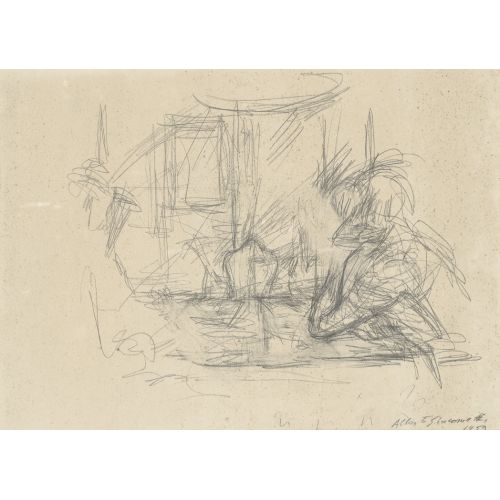
The subject of the work is a woman reading in Maloja. The drawing technique used by Alberto Giacometti for this artwork is charcoal on paper. The colors are primarily black and white, with varying shades of gray created through the use of different levels of shading. Alberto Giacometti's artwork por..
$10.80
Ex Tax:$9.00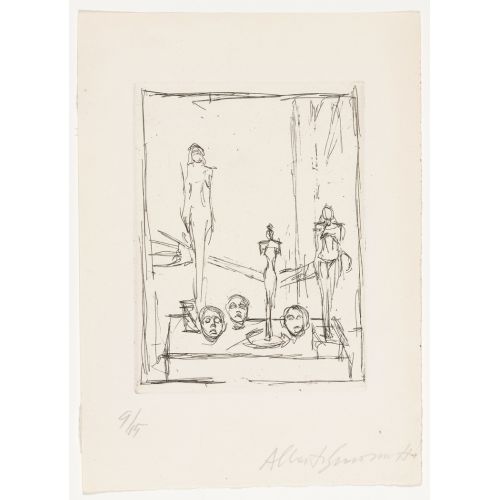
In this artwork, Alberto Giacometti depicts Loeb through his unique drawing technique. The colors used are mostly earth tones with subtle hints of vibrant hues to create a sense of depth and dimension. The painting is done using oil paint on canvas. The subject of the work, "Loeb: Regards sur la pe..
$10.80
Ex Tax:$9.00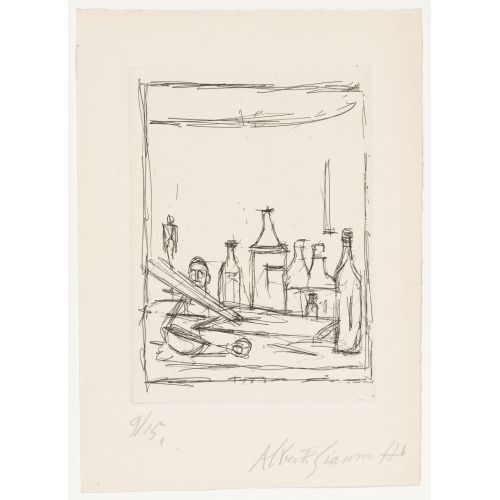
The subject of the work in "Regards sur la peinture II" by Alberto Giacometti is not specified. The drawing technique used in this artwork is sketching with precise and elongated lines. The colors are predominantly earth tones and muted shades, reflecting the artist's signature style. The type of pa..
$10.80
Ex Tax:$9.00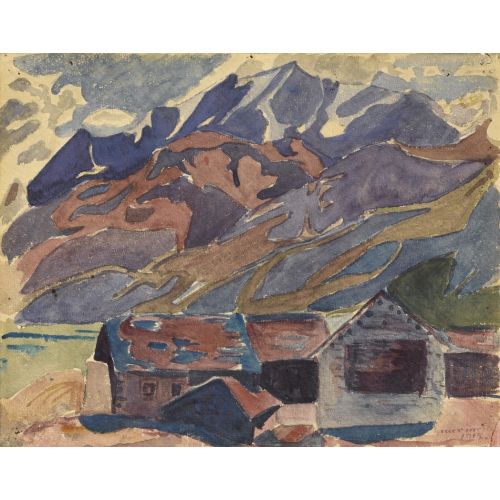
Subject of the work: Alberto Giacometti's painting titled "Maloja" depicts a landscape in the Swiss village of Maloja.Drawing technique: The artwork is executed with a combination of sketchy lines and light shading to capture the essence of the scenery.Colors: The painting predominantly features mut..
$10.80
Ex Tax:$9.00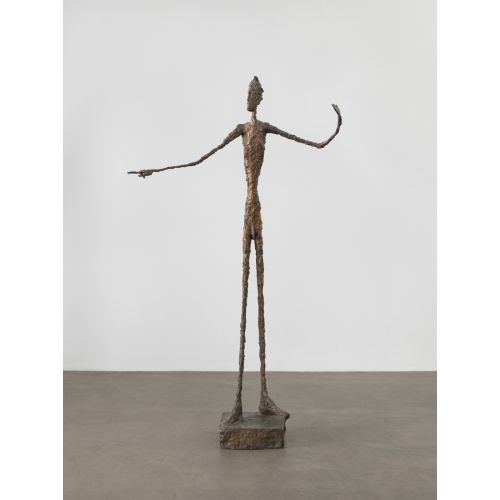
This artwork by Alberto Giacometti portrays a figure called "Man Pointing." The drawing technique used is primarily ink and pencil on paper. The colors employed are mostly black and white, reflecting the artist's inclination towards expressing form and structure rather than focusing on color. The wo..
$10.80
Ex Tax:$9.00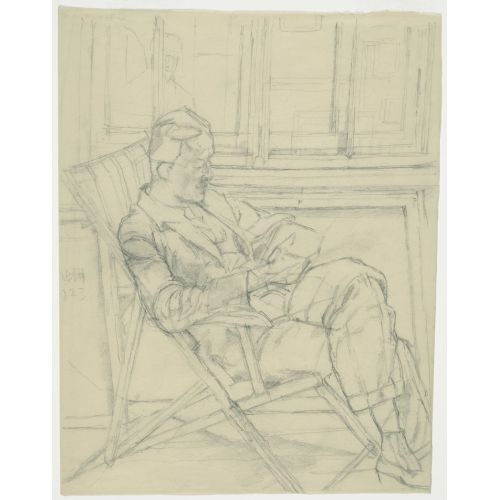
This artwork by Alberto Giacometti depicts a man engrossed in reading a book. The drawing technique used is precise and detailed, capturing the figure's features with great accuracy. The colors are minimalistic, primarily black and white tones that add to the overall intensity of the piece. This wor..
$10.80
Ex Tax:$9.00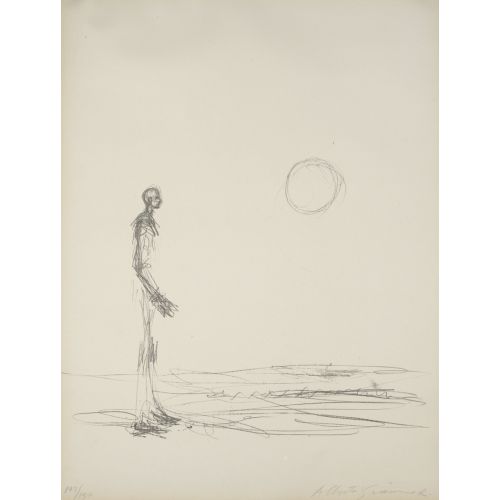
Subject of the work: This artwork depicts a human figure standing under the sun. Drawing technique: Alberto Giacometti used a sketchy and expressive drawing technique to create this piece. Colors: The artwork is predominantly rendered in shades of black, white, and gray. Type of paint used: It app..
$10.80
Ex Tax:$9.00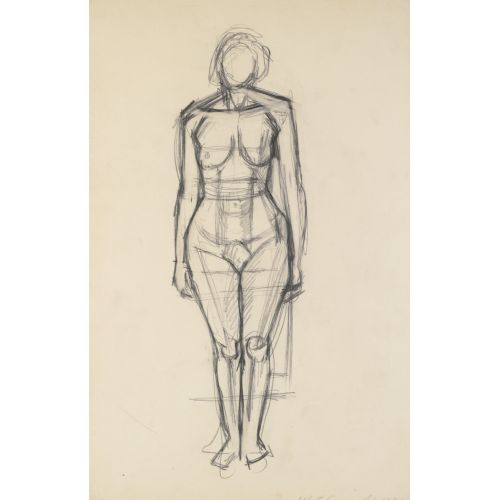
The artwork titled "Nu debout" by Alberto Giacometti depicts a standing nude figure. It is executed using the drawing technique and showcases subtle shades of black and white. The artist used oil paint to create this piece.This artwork holds deep symbolism within its simplicity. Through his elongate..
$10.80
Ex Tax:$9.00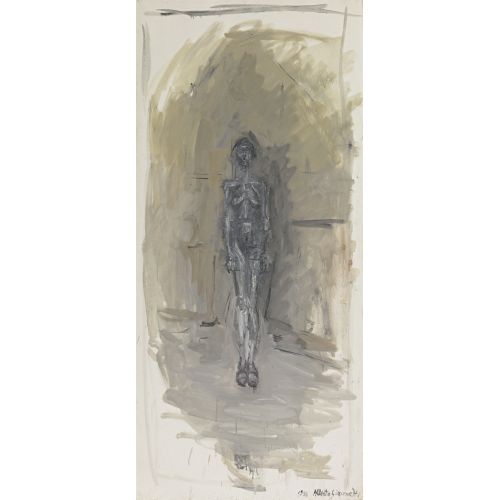
In this artwork by Alberto Giacometti titled "Nu debout II," the subject of the work is a standing nude figure. The drawing technique used in this piece showcases Giacometti's signature style of elongated and distorted figures. The colors are primarily monochromatic, with shades of gray creating dep..
$10.80
Ex Tax:$9.00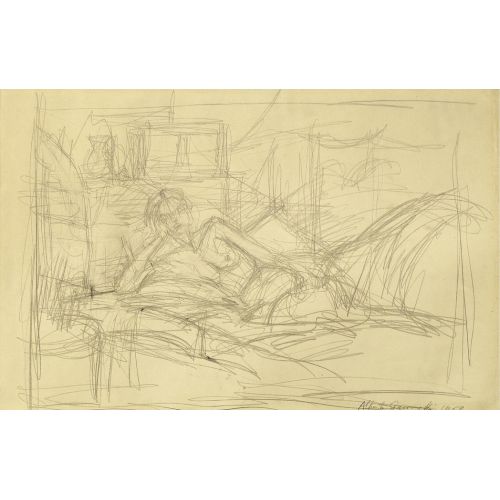
Subject: The subject of the work is a nude figure lying in a bed.Drawing technique: The artwork is created using drawing techniques.Colors: The colors used are minimal and subdued.Type of paint used:The type of paint used in this artwork is not specified.This artwork by Alberto Giacometti explores t..
$10.80
Ex Tax:$9.00