
Surrealism
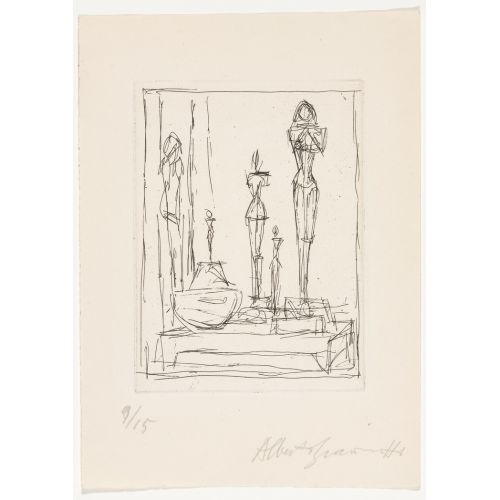
The subject of this artwork is Alberto Giacometti's studio and the characters within it. The drawing technique used by Giacometti is intricate and detailed, capturing the essence of his subjects with precision. The colors utilized are predominantly earth tones, creating a sense of warmth and depth. ..
$10.80
Ex Tax:$9.00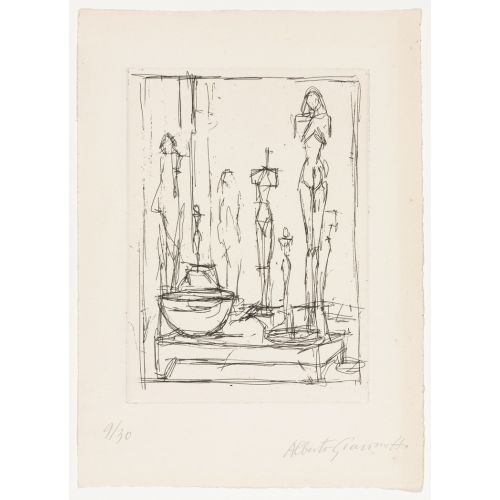
Subject of the work: This artwork depicts characters in a studio setting, showcasing Alberto Giacometti's interest in exploring human figures and their presence within artistic spaces. Drawing technique: Giacometti used a combination of drawing techniques such as sketching, shading, and fine lines ..
$10.80
Ex Tax:$9.00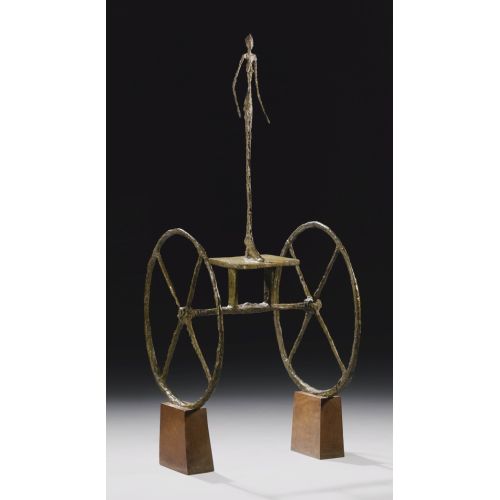
The subject of the work "Chariot" by Alberto Giacometti is a sculpture depicting a skeletal figure pulling or pushing a wheeled cart. The drawing technique used in creating this artwork is characterized by thin and elongated forms, reflecting Giacometti's distinctive style. The color palette consist..
$10.80
Ex Tax:$9.00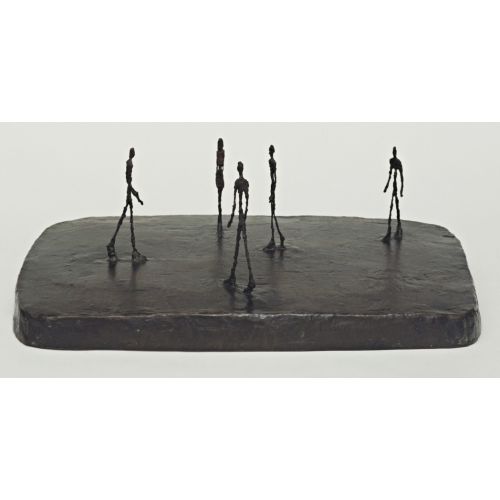
Alberto Giacometti's artwork titled "City Square" depicts a bustling urban scene. The drawing technique used in this work is characterized by thin, elongated figures and minimalistic details. The colors employed are mainly muted tones such as grays and browns to convey the somber mood of the citysca..
$10.80
Ex Tax:$9.00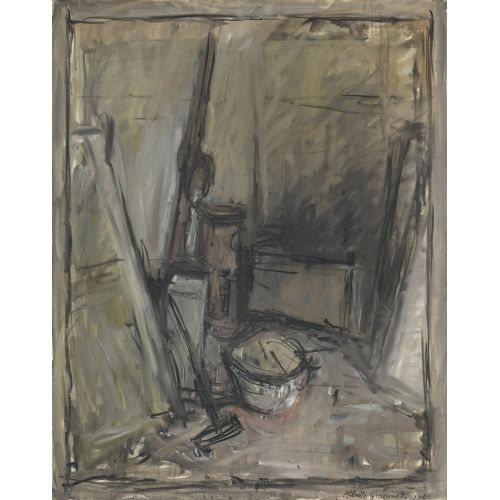
The subject of the work is "Coin d'atelier avec poêle et balai" which translates to "Studio Corner with Stove and Broom." The drawing technique used by Alberto Giacometti in this artwork is charcoal. The colors used are primarily black and gray, reflecting a monochromatic palette. As for the type of..
$10.80
Ex Tax:$9.00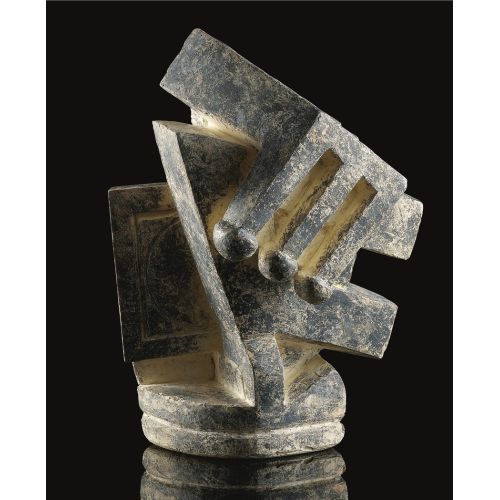
In this artwork by Alberto Giacometti titled "Composition dite cubiste II," the subject of the work is a composition with Cubist influences. The drawing technique used in this piece showcases geometric shapes and fragmented forms. The colors are subdued, primarily consisting of earth tones such as b..
$10.80
Ex Tax:$9.00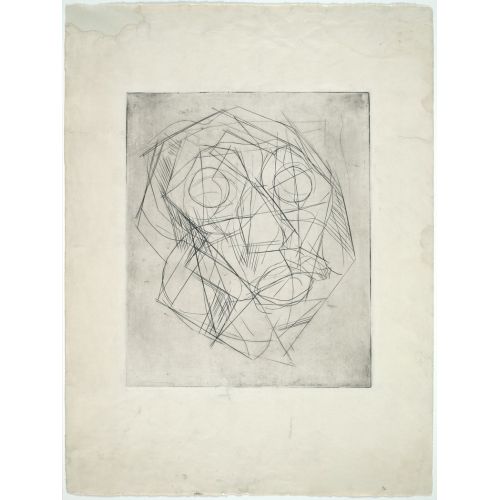
The artwork "Cubist Head" by Alberto Giacometti showcases a subject of a human head depicted in the style of Cubism. The drawing technique employed is characterized by fragmented geometric forms and multiple viewpoints, reflecting the influence of Pablo Picasso and Georges Braque. The colors used ar..
$10.80
Ex Tax:$9.00
The artwork "Deux femmes nues debout" by Alberto Giacometti depicts two standing nude women. The drawing technique used in this work is precise and detailed, showcasing the artist's skill in capturing human form. The colors are predominantly black and white, with subtle shading to add depth and dime..
$10.80
Ex Tax:$9.00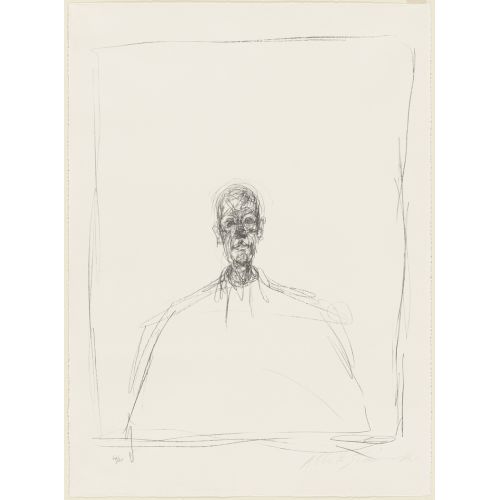
Subject: Alberto Giacometti's artwork titled "Diego" depicts his younger brother and muse, Diego. Drawing Technique: Giacometti utilized a meticulous approach to create intricate pencil drawings.Colors: The drawing is done in black and white shades, showcasing the artist's ability to capture depth a..
$10.80
Ex Tax:$9.00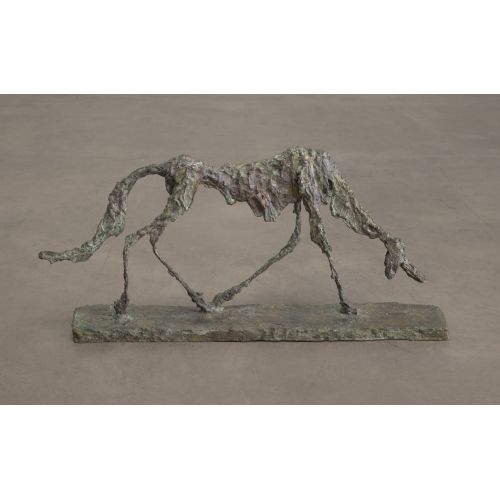
The subject of the work is a dog, depicted in Alberto Giacometti's unique and distinctive drawing technique. The colors used are primarily black and white, with minimal shading and detail. The type of paint used in this artwork is not applicable as it is a drawing. This particular piece holds deep ..
$10.80
Ex Tax:$9.00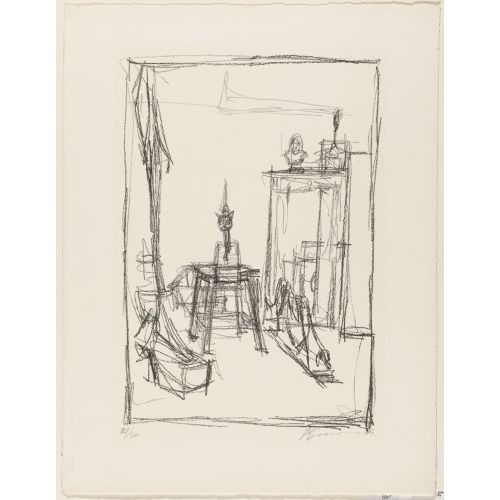
This artwork by Alberto Giacometti depicts a dog and cat. The drawing technique used is meticulous and precise, capturing the delicate features of both animals. The colors are muted and subdued, with shades of gray dominating the composition. The artist utilized oil paint for this piece.The meaning ..
$10.80
Ex Tax:$9.00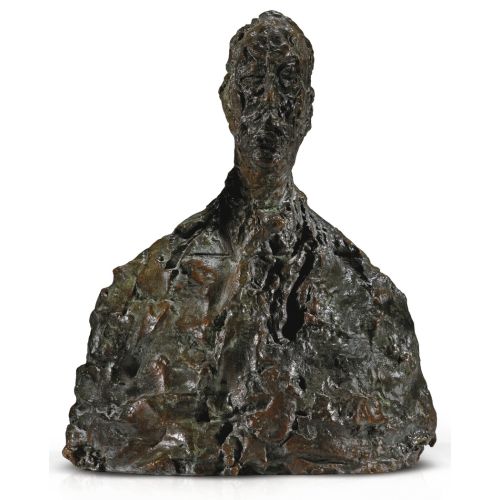
This artwork depicts Alberto Giacometti's portrait of Dr Fraenkel. The drawing technique employed in this piece is detailed and precise, capturing the essence of the subject. The color palette used is mostly black and white, reflecting a realistic representation. It is likely that pencil or ink was ..
$10.80
Ex Tax:$9.00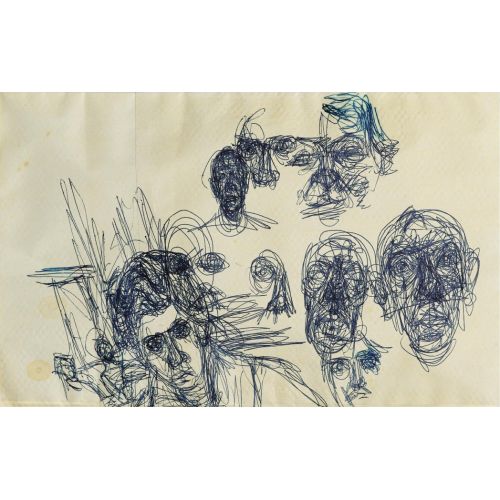
The artwork "Etudes de têtes" by Alberto Giacometti is a series of studies focusing on the human head. The drawing technique used in these studies emphasizes capturing the essence and individuality of each subject. In terms of colors, most of these works are rendered in black ink or pencil with occa..
$10.80
Ex Tax:$9.00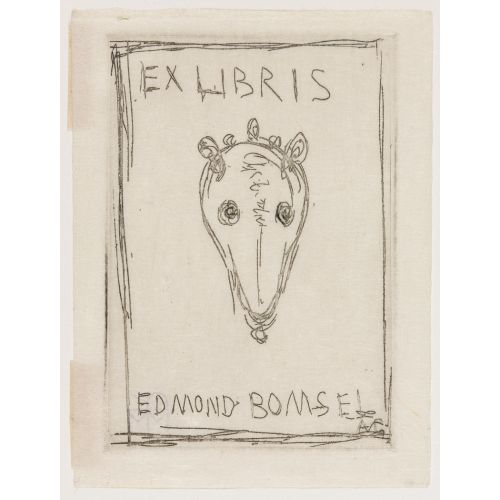
The artwork titled "Ex Libris Edmond Bomsel" by Alberto Giacometti is a drawing created using the technique of pen and ink. The colors used in this work are primarily black and white, with delicate cross-hatching to depict shading and texture. The type of paint or medium used in this piece is not ap..
$10.80
Ex Tax:$9.00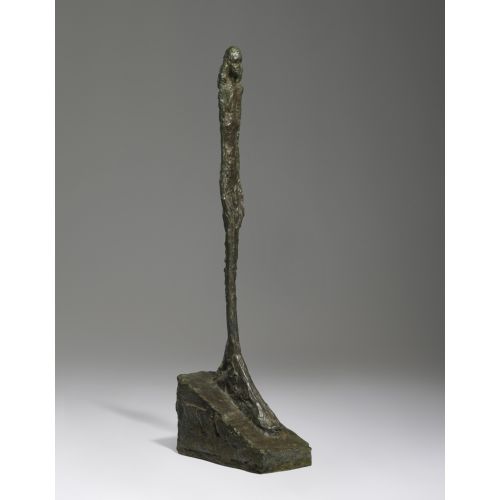
Femme debout is a sculpture by the renowned artist Alberto Giacometti. The artwork depicts a standing woman in an elongated and slender form, which was characteristic of Giacometti's unique style. This piece showcases his mastery of the drawing technique as he skillfully captures intricate details a..
$10.80
Ex Tax:$9.00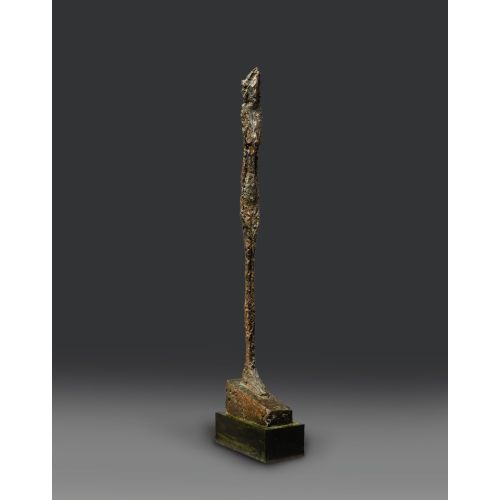
Subject of the work: The artwork depicts a woman named Leoni. Drawing Technique: The artist used delicate and precise lines to create this drawing. Colors: This artwork is rendered in black and white, utilizing shades of gray for depth. Type of paint used: Giacometti utilized graphite or charcoal to..
$10.80
Ex Tax:$9.00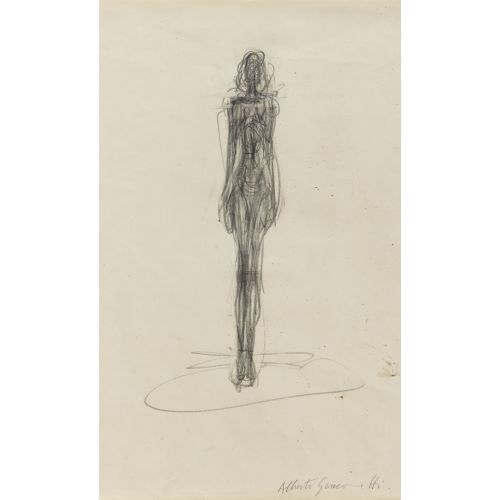
The artwork "Femme nue debout" by Alberto Giacometti is a drawing that depicts a standing nude woman. The drawing technique used is primarily pencil and charcoal, with delicate lines and shading to create depth. The colors are muted due to the monochromatic nature of the medium. The work showcases ..
$10.80
Ex Tax:$9.00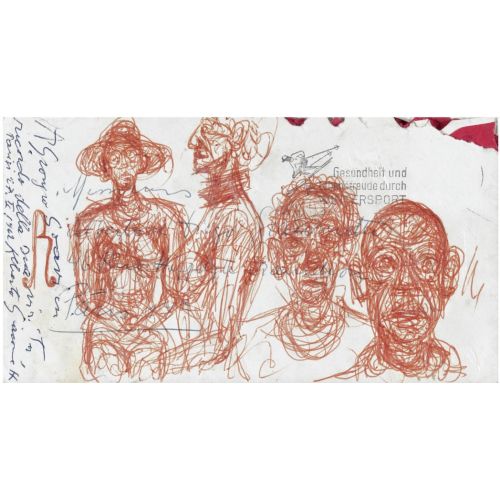
The artwork "Femmes assises et têtes d'hommes" by Alberto Giacometti is a drawing created using pencil and ink. The dominant colors in this piece are black and gray. It showcases the artist's skillful use of line to depict seated female figures with elongated bodies, as well as detached heads of men..
$10.80
Ex Tax:$9.00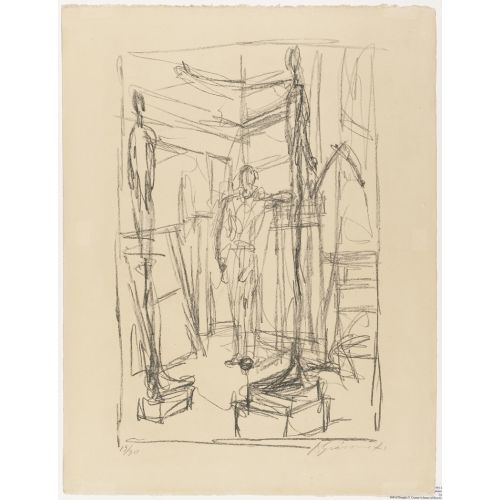
In this artwork, Alberto Giacometti depicts a figure in his studio using a drawing technique. The colors used are primarily monochromatic and subdued tones. The artist employed oil paint on canvas for this piece. The meaning behind "Figure in the Studio" is open to interpretation but it likely refl..
$10.80
Ex Tax:$9.00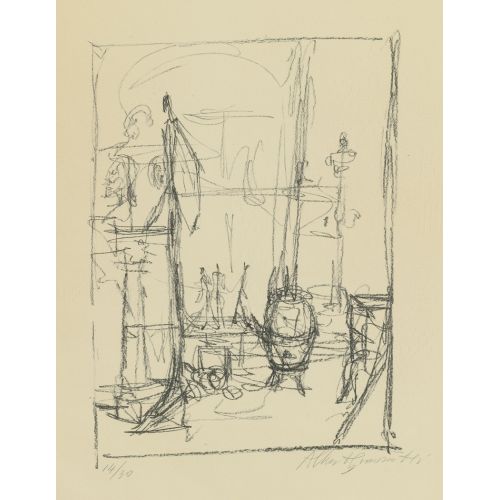
The subject of this work by Alberto Giacometti is figurines and a stove. The drawing technique used is a combination of precise lines and delicate shading. The colors are muted tones with hints of earthy browns and grays. The type of paint used in this artwork is not specified. This piece conveys t..
$10.80
Ex Tax:$9.00