

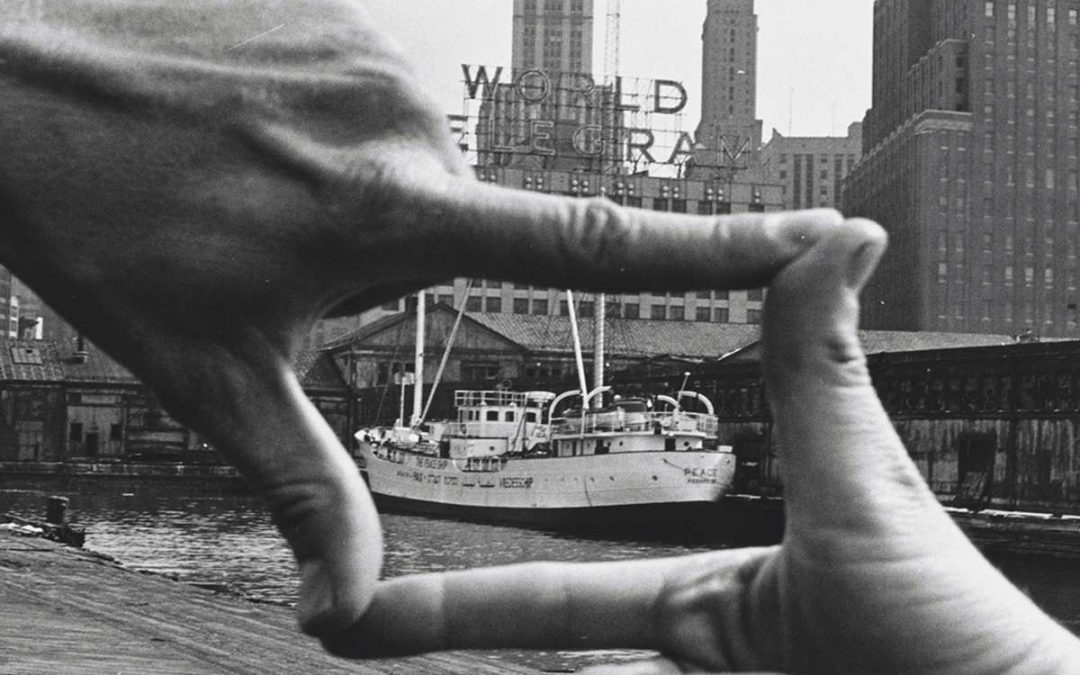
What is framing in art and photography? We will review it in the article.
Framing in Art and Photography, Framing Important Rules
What you look at in the discipline of photography turns into an image on the camera at the same time. Here, every image that appears on his camera is defined as a “framed image”. Therefore, the artist may not always be free to choose images. Framing is the selection of the image within the framework of the effect you want to describe and create. The image needs to be sorted out, made simple but interesting. Framing is where the photographer decides what to shoot. It’s about shooting what you want to see instead of shooting everything you see.
The Importance of Frame in Photography, What Frame Means for Professional Photographers
The image alone does not become an object of artistic activity. What turns it into an artistic object is the way it is created in the frame. The person takes the picture, not the machine. What is explained in the words of Henri Cartier-Bresson is what you bring to the frame with what consciousness. What is seen and shown in the frame is as important as how it is shown.
Every time the photographer looks through the viewfinder, there is an image in front of him. Worst of all, he may not always be able to remove an object he does not want from the frame. In this case, he must first choose the subject he wants. Will you use the frame horizontally or vertically? After making a decision, it is necessary to be able to separate the image from unnecessary details. To strengthen the effect, it should use the appropriate viewing distance, viewpoint and gaze height. While doing all these, he should choose the right time for the photo. We can also look at what the photographer actually does with his framing, as the visual arts transforming the depiction of literary arts into flesh and blood. He tells us what the author tells in his novel and the poet in his poem.
We can say that a photographer who is not deprived of compositional knowledge has the equipment to describe what and how in the frame. After the knowledge and experience that has turned into the behavior mentioned here, no one can claim that anyone with a camera can take good pictures. This is where the photographer differs from many people who have a camera. It would not be absurd to say that this distinction has become clearer, especially in today’s world where photography tools have become easier with mobile phones.

Framing in Art and Photography, Framing Important Rules, The Importance of Frame in Photography, What Frame Means for Professional Photographers
Important Rules of Framing
It is a knowledge that emerged from the investigation of the causes of the forms most liked by many people in ancient Greece. Based on this information, the surface is divided into three equal parts with two horizontal and two vertical lines. For a good composition, each of the points where the horizontal and vertical lines intersect is called the golden dot because of its importance in the composition.
These four dots indicate the location of the center of interest. According to the desired effect to be created with the photograph, the main and auxiliary elements are placed on these points. In order for this simple rule to be applied, it is important which element is placed where. However, it is not correct to say that anyone who abides by this rule will take good photos. After the reasons are well understood, it is possible to take good photos by violating these rules.
The frames that make up the image are removed, giving the impression that it continues outside the frame. It is felt that the image left to the spectator’s imagination continues outside the frame.
The center of interest can be in more than one position, depending on the photographer’s world view and understanding of art. The photographer can create systemlessness with the hidden system in his photograph. It should be understood that in this case the photographer meant something different.
Each image element and the way it is used in the composition has a separate emotional effect. The symmetrical balance established in the composition generally gives a feeling of stillness and creates a boring effect, while asymmetrical arrangements generally create a more dynamic effect on the viewer.