

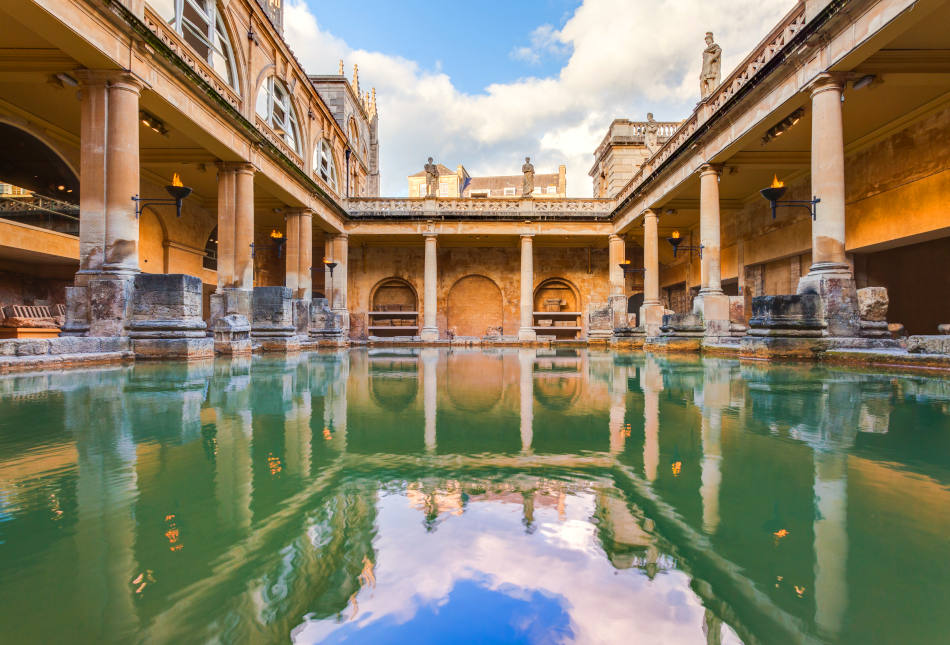
Roman Bath
Roman Bath are some of the best preserved Roman architectural structures. It is a complex structure located in the famous spa town of Bath in the Somerset region of England. The original Roman Baths were built between 60-70 BC. But for the Romans it was more than a bath and spa complex. It was an important place of worship for them. Baths were popular with the Romans, they served as centers of entertainment and worship.
Roman Bath Features
The Roman Bath was designed for bathing and relaxation and was a common feature of cities throughout the Roman empire. It contained baths, a wide variety of rooms with varying temperatures, as well as swimming pools and places to read, relax and socialize. Roman baths, with their large enclosed spaces, were important drivers of architectural innovations, especially in the use of domes. The baths were built using fireproof terracotta brick, and the finished buildings were often sumptuous works with fine mosaic floors, marble-clad walls, and decorative sculptures.
The Roman Bath Sections
The changing rooms, exercise rooms, open-air swimming pools, superheated dry and wet sweating rooms, heated and hot water pools, hot rooms with a heated and warm pool, usually monumental in size and domed, are an unheated and cold room with similar features to the Roman baths. cool rooms with bathrooms are the heart of the baths. Rooms like these are available for massage and other wellness treatments. In addition to these, additional structures such as cold water plunge pools, private bathrooms, libraries, conference halls and open gardens are included.
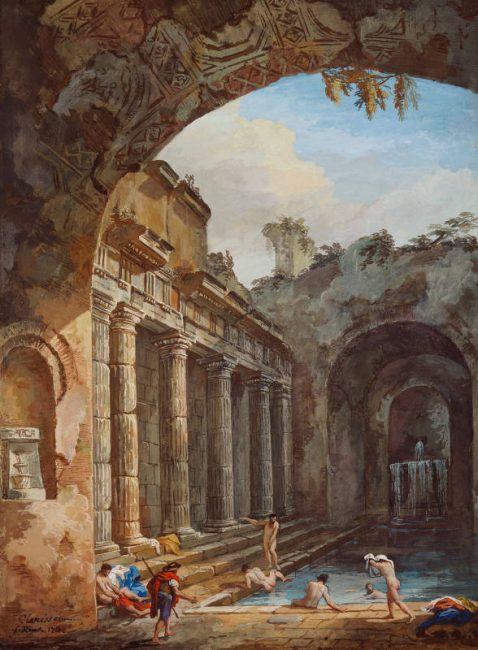
Where are the Roman Bath Features Sections Structures
Where is the Roman Bath?
Roman Bath were strategically built over the three hot springs of the famous spa town of Bath in Somerset, England, and are now below contemporary street level. This area includes the Sacred Spring, the Roman Bath House, the Roman Temple and the museum with period items.
Roman Period Baths Buildings
In Ancient Roman Architecture, both large and small Baths were located in the central part of the Villa, just northwest of Canopus. Much of its remains remain, making it easy to imagine what rectangular rooms with concave ceilings looked like in ancient times. It resembles the typical Roman baths of this time period, with separate rooms for various bathing activities. Before them were open, paved courtyards, palestras for exercises. Activities that require less space, such as boxing and wrestling, were also held here. There were several toilets scattered all over. After exercising in the palestra, the Romans would move on to the caldariums for a hot water bath. This process was followed by a warm Roman Bath in one of the rooms. Tepidarium rooms, for a while circular shaped saunas, laconicums and finally in the rooms known as frigidariums were rinsed with cold water.
Naturally, the quality of building materials differed for each type of building. While the large baths were paved with opus spicatum (herringbone masonry), a simple black and white mosaic, the smaller baths were built with higher quality marble in the opus sectile technique. The small baths, which are seen as noble, also exhibited a more elaborate architecture, such as the Octagon Hall, where the perspective view from other rooms creates the illusion of an endless space. Colorful fresco ceiling decorations can also be found in each.