
Renaissance Paintings
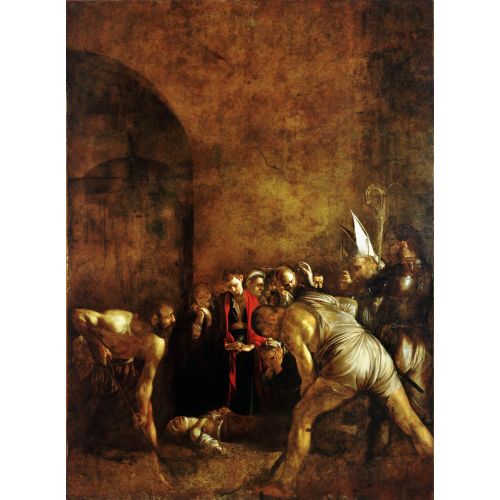
Caravaggio's "Burial of Saint Lucy" depicts the subject of the work as the burial ceremony of Saint Lucy, who was martyred during Roman times. The drawing technique employed by Caravaggio is characterized by his signature chiaroscuro style, with strong contrast between light and dark areas. The colo..
$10.80
Ex Tax:$9.00
The artwork titled Caravaggio Cardsharps depicts a group of young men playing cards. The drawing technique used in this piece is realistic and detailed, showcasing Caravaggio's mastery of capturing human figures. In terms of colors, Caravaggio employs a chiaroscuro style with strong contrasts betwee..
$10.80
Ex Tax:$9.00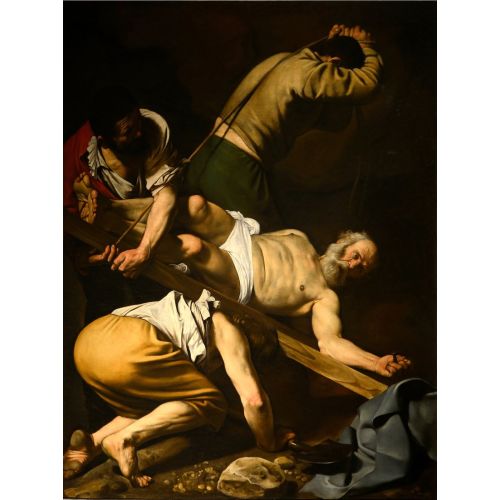
The Caravaggio Crucifixion Of St Peter is a painting that depicts the crucifixion of Saint Peter, one of the apostles of Jesus Christ. The drawing technique used in this artwork is known for its realism and dramatic use of chiaroscuro (light and dark contrast). In terms of colors, Caravaggio employ..
$10.80
Ex Tax:$9.00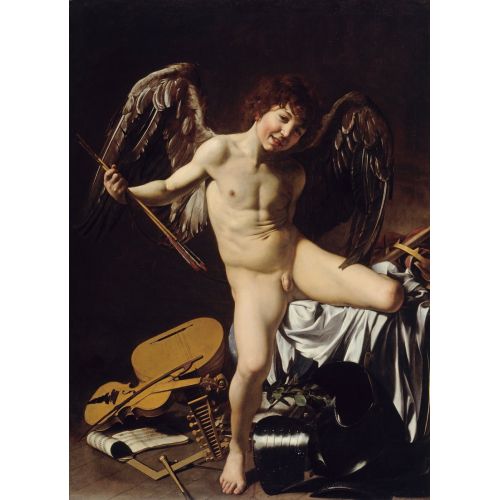
The subject of this work is Caravaggio's painting titled "Cupid As Victor". The drawing technique used in this artwork is oil on canvas. The colors employed by the artist include rich tones of red, brown, and gold.This specific piece showcases a young cupid who has emerged victorious over his oppone..
$10.80
Ex Tax:$9.00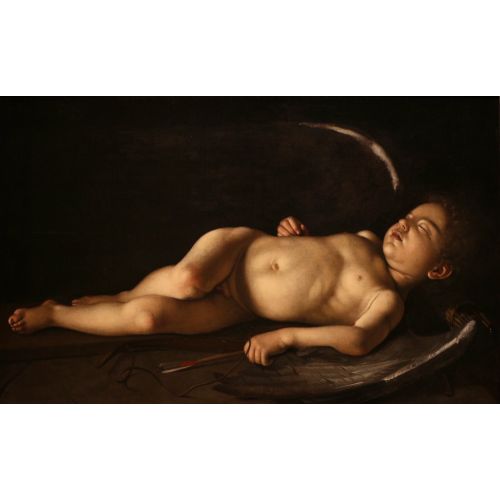
Cupido Dormiente is a subject of the work by Caravaggio. The drawing technique used in this artwork is chiaroscuro, which emphasizes strong contrasts between light and dark. The colors employed are mostly dark with some hints of warm tones to highlight certain areas of the composition. Caravaggio's ..
$10.80
Ex Tax:$9.00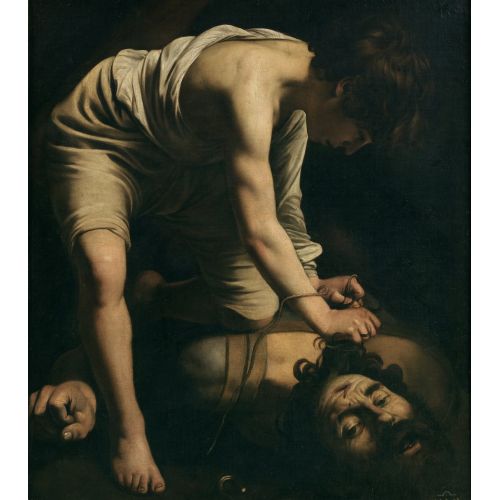
Caravaggio's painting "David and Goliath" depicts the biblical story of young David slaying the giant warrior, Goliath. The artwork was created using a realistic drawing technique, with strong contrasts between light and shadow. Caravaggio often utilized naturalistic colors in his works, providing a..
$10.80
Ex Tax:$9.00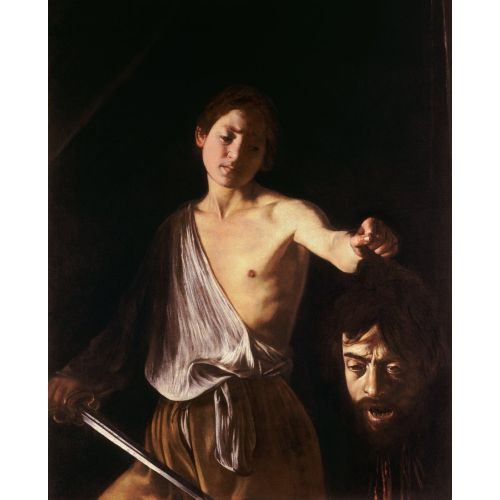
The artwork "David with the Head of Goliath I" by Caravaggio depicts a biblical scene where David holds the severed head of his enemy, Goliath. The drawing technique used in this work is characterized by Caravaggio's trademark style known as chiaroscuro, which uses contrasting light and dark tones t..
$10.80
Ex Tax:$9.00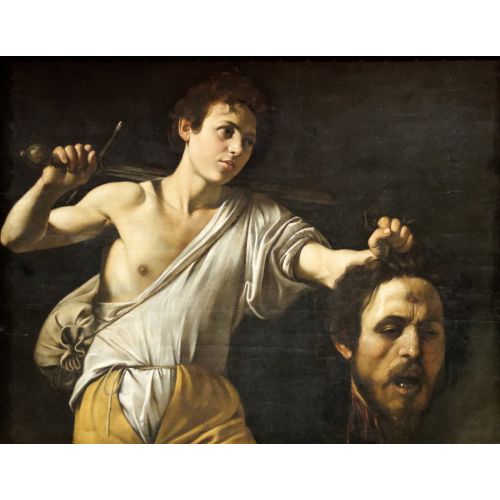
The subject of the work is "David with the Head of Goliath," a biblical scene depicting David holding up the severed head of Goliath. Caravaggio used his signature drawing technique, known as chiaroscuro, to create strong contrasts between light and dark in this painting. In terms of colors, Carava..
$10.80
Ex Tax:$9.00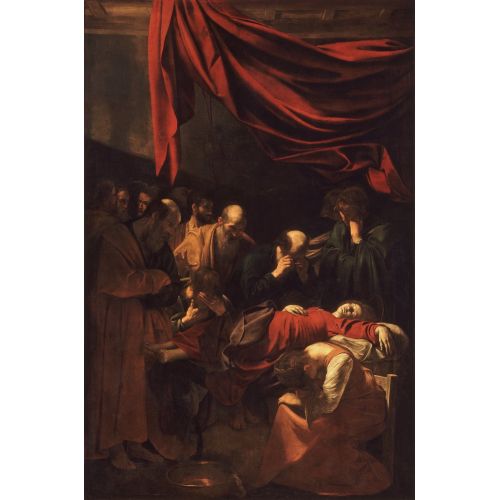
The artwork titled "Death of the Virgin" by Caravaggio depicts the death scene of the Virgin Mary. Caravaggio used his signature naturalistic style in this work, showcasing his mastery in creating lifelike figures and intense use of chiaroscuro. In terms of technique, Caravaggio employed a combinat..
$10.80
Ex Tax:$9.00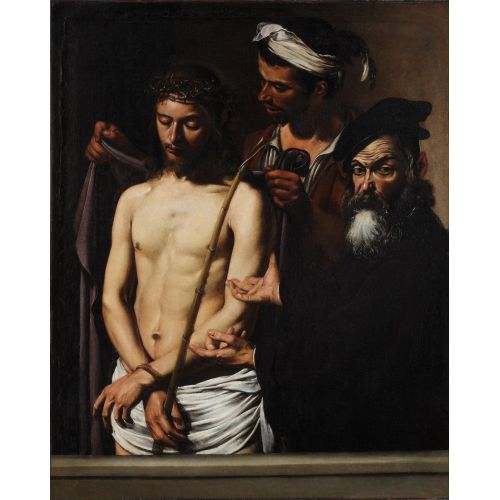
The painting "Ecce Homo" by Caravaggio depicts the biblical subject of Jesus Christ presented to the crowd before his crucifixion. The drawing technique used in this work is highly realistic, showcasing Caravaggio's mastery of chiaroscuro and dramatic lighting.In terms of colors, Caravaggio primaril..
$10.80
Ex Tax:$9.00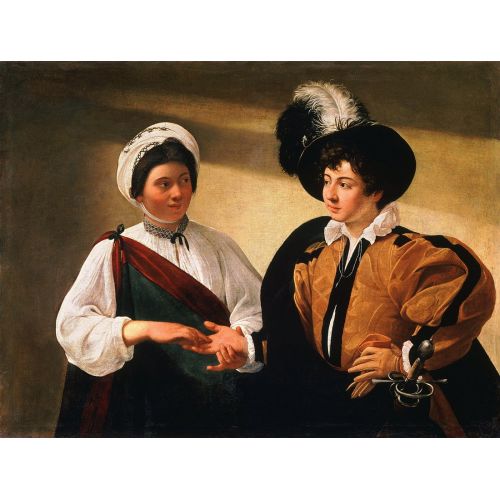
Caravaggio's "Fortune Teller" is a famous artwork created by the artist. The subject of this work is a fortune teller engaging with her client. Carvaggio used his signature drawing technique to depict the figures in a realistic manner. In terms of colors, Caravaggio employed an earthy palette with ..
$10.80
Ex Tax:$9.00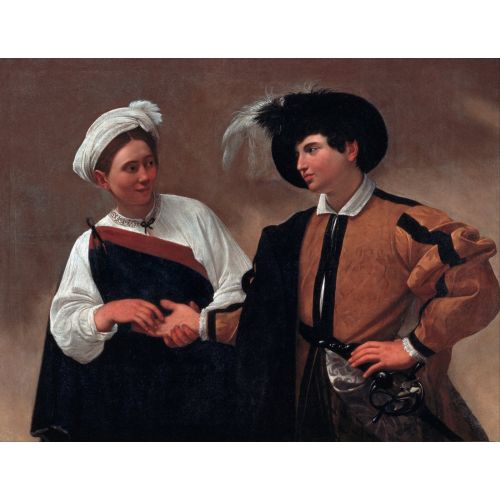
Caravaggio's painting, "Good Luck," showcases his mastery in the use of light and shadow to create a dramatic effect. The drawing technique employed by Caravaggio is characterized by strong contrasts between dark and light areas, known as chiaroscuro. The colors used in this artwork are primarily r..
$10.80
Ex Tax:$9.00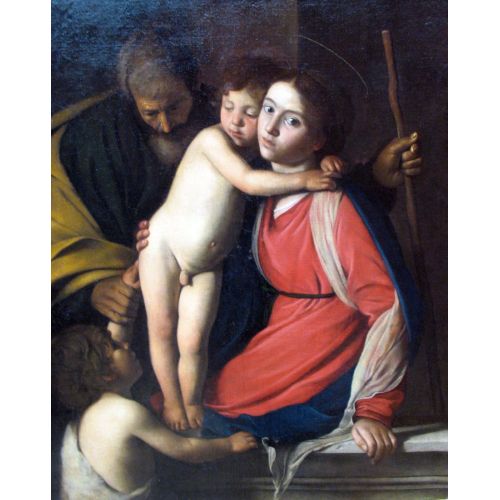
The Caravaggio artwork titled "Holy Family with St. John the Baptist" depicts a scene of the Holy Family consisting of Jesus, Mary, Joseph, and John the Baptist. Caravaggio's drawing technique in this piece showcases his skillful use of chiaroscuro, where he contrasts light and shadow to create dept..
$10.80
Ex Tax:$9.00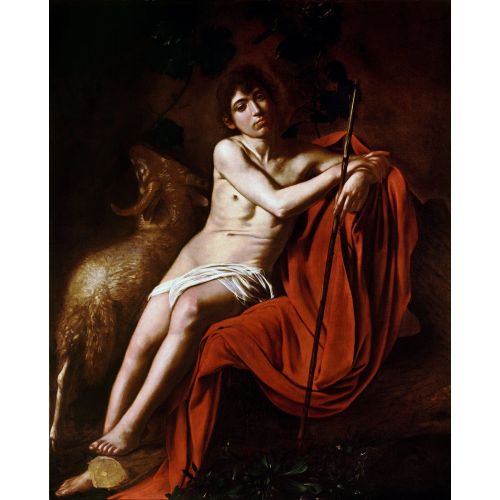
Caravaggio's painting titled "John the Baptist" depicts a religious subject. He used his signature technique of chiaroscuro, which involves strong contrasts between light and dark to create dramatic effect. The colors he employed were mostly muted earth tones, with occasional pops of vibrant reds an..
$10.80
Ex Tax:$9.00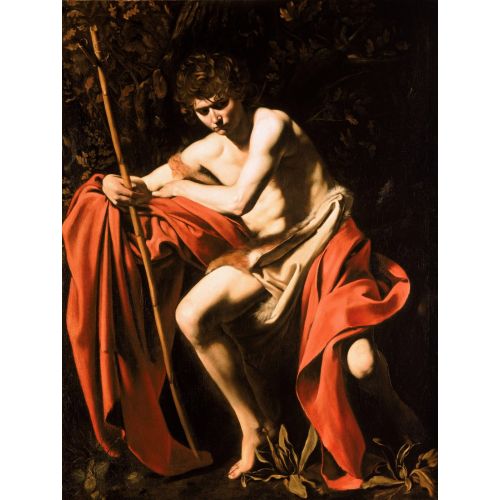
The artwork "John The Baptist" by Caravaggio depicts the biblical figure of John the Baptist. It is a drawing created using charcoal and black chalk on paper. The technique used by Caravaggio showcases his mastery in capturing realistic human forms with dramatic contrasts between light and shadow.In..
$10.80
Ex Tax:$9.00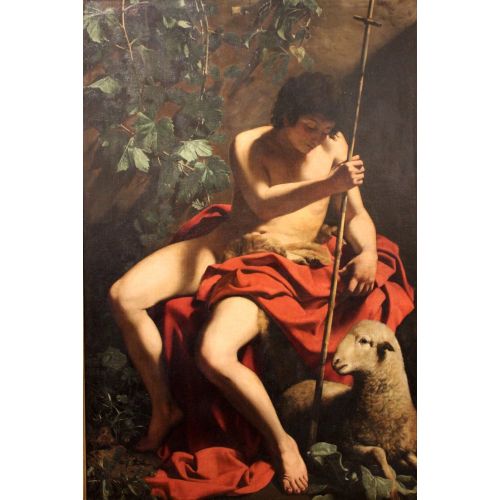
The subject of the work is "John the Baptist" and it was created by Caravaggio in 1598. Caravaggio used his signature technique called chiaroscuro, which involves using strong contrasts between light and dark to create a dramatic effect. In this artwork, he employed heavy shadows on John's face and ..
$10.80
Ex Tax:$9.00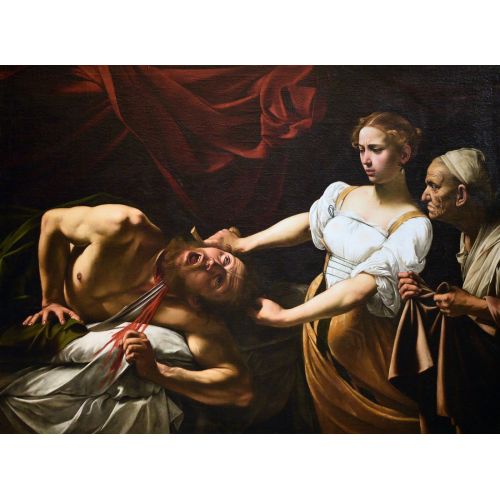
Caravaggio's Judith Beheading Holofernes is a renowned artwork depicting the biblical subject of Judith beheading the Assyrian general, Holofernes. The drawing technique employed in this work is characterized by Caravaggio's signature chiaroscuro style, which emphasizes dramatic contrasts between li..
$10.80
Ex Tax:$9.00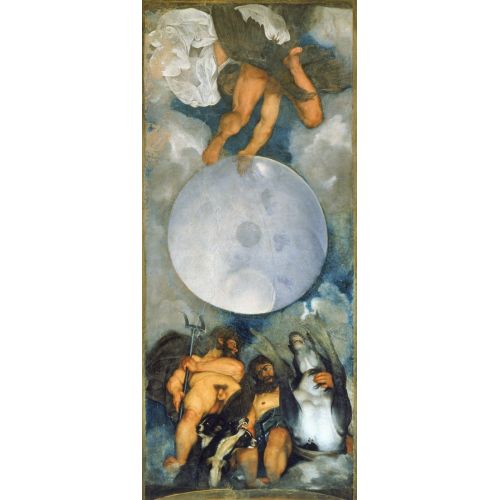
The artwork "Caravaggio Jupiter Neptune And Pluto" depicts the four mythological figures of Jupiter, Neptune, and Pluto. The drawing technique used in this work is oil painting on canvas. Caravaggio's signature use of chiaroscuro, characterized by strong contrasts between light and dark areas, can b..
$10.80
Ex Tax:$9.00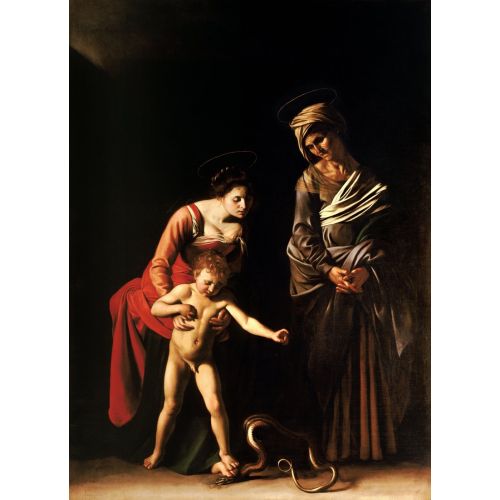
This artwork depicts the Virgin Mary holding the baby Jesus with Saint Anne beside them. Caravaggio used his signature technique of chiaroscuro, where he contrasted light and dark to create a dramatic effect. The colors in this painting are mostly muted and earthy tones, reflecting Caravaggio's pref..
$10.80
Ex Tax:$9.00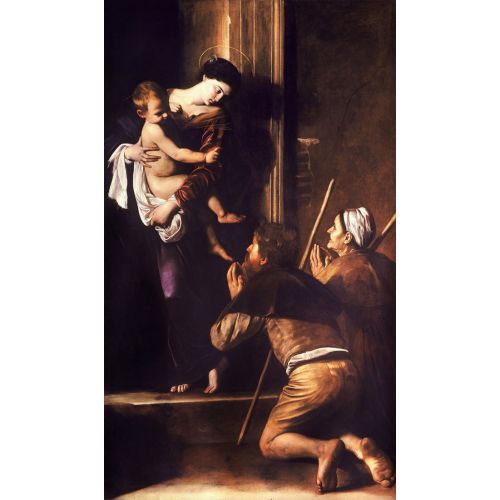
The Caravaggio Madonna Di Loreto is a painting by the Italian artist Michelangelo Merisi da Caravaggio. It depicts the Virgin Mary holding the infant Jesus in her arms. The subject of this work is based on a popular religious legend about the Holy House of Nazareth miraculously transported to Italy...
$10.80
Ex Tax:$9.00