
Realism
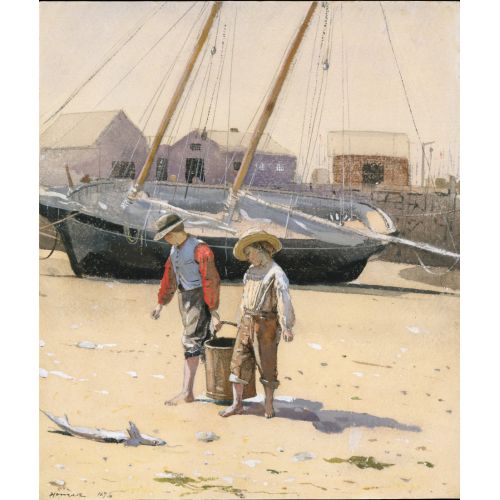
"A Basket of Clams" is a magnificent work by renowned artist, Winslow Homer. This artwork depicts a simple yet poignant scene from everyday life. The subject of the work is seemingly mundane - a basket filled with clams - but Homer manages to bring out depth and charm through his masterful technique..
$10.80
Ex Tax:$9.00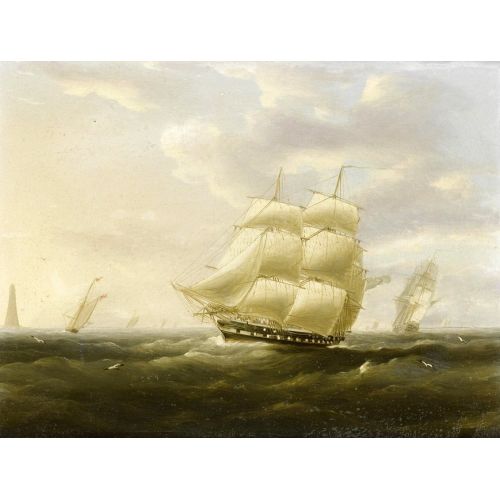
The painting, "A British Frigate Bowling Down the Channel on a Breezy Day Past The Eddystone Lighthouse", is an elegant work by renowned artist Thomas Buttersworth. This exquisite maritime scene captures the grandeur of nature, with prominent technique in details making it truly memorable.Butterswor..
$10.80
Ex Tax:$9.00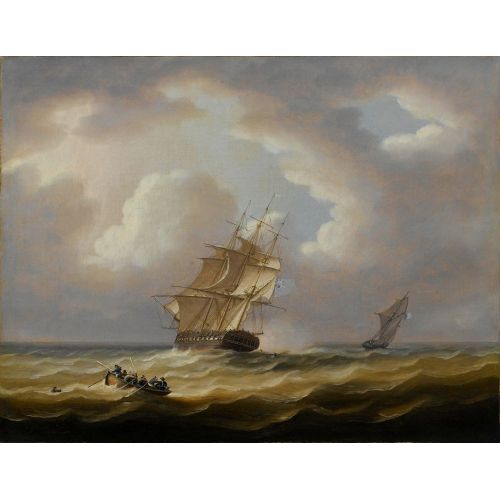
This stunning piece captures the dramatic rescue of a man from the sea. Expertly crafted by Thomas Buttersworth, the artwork reveals an impeccable skill in capturing maritime details and manipulating colors for heightened drama. Done meticulously using oil paints, every stroke yields vivacity and de..
$10.80
Ex Tax:$9.00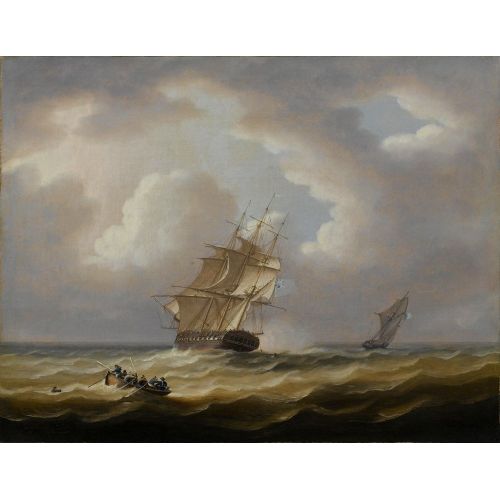
A powerful depiction by Thomas Buttersworth, "A British Frigate Hove to With Her Jollyboat Preparing to Pluck a Man from the Sea" is a dramatic portrayal of maritime resilience. The drawing technique adopted for this creation has captured a detailed and lifelike representation with an accurate blend..
$10.80
Ex Tax:$9.00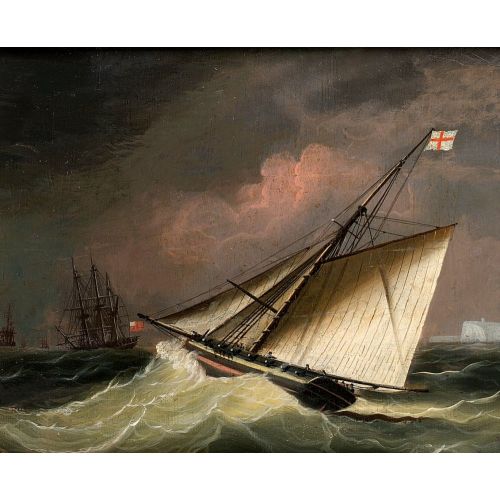
A distinguished work by the revered British artist Thomas Buttersworth, "A Cutter in A Swell" is a gripping portrayal of nautical life. Illustrating an awe-inspiring scene on tumultuous waters, the painting depicts a daring cutter braving voluminous waves.The technique employed in this piece amalgam..
$10.80
Ex Tax:$9.00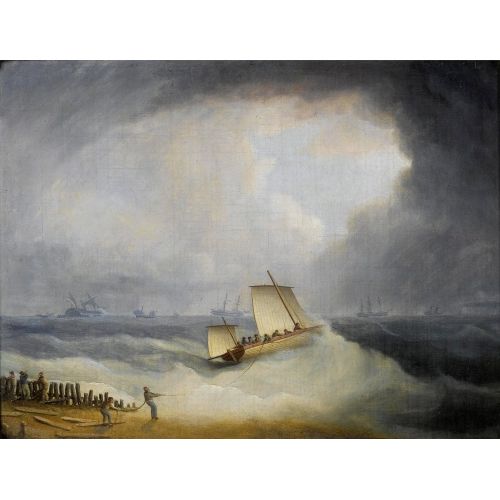
The subject work by Thomas Buttersworth is a captivating portrayal of a Deal lugger braving the stormy waters on its way to ships bound in The Downs. Characterized by intricate detailing and strong, dynamic brush strokes, this artwork exudes intensity and drama.Drawn using oil paints on canvas, it e..
$10.80
Ex Tax:$9.00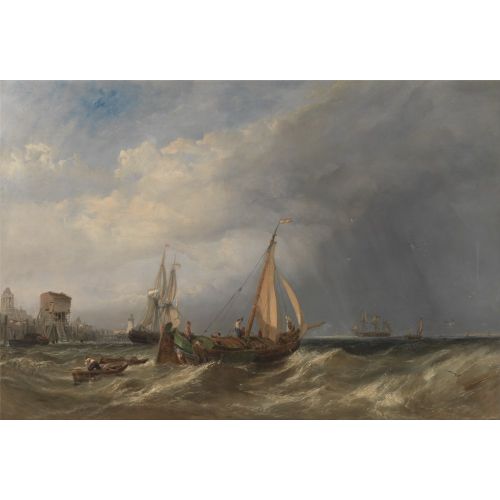
The artwork "A Dutch Barge and Merchantmen Running Out of Rotterdam" by William Clarkson Stanfield depicts a scene with a Dutch barge and merchant ships leaving the port of Rotterdam. This work is created using oil painting technique on canvas. The colors used in the artwork include various shades o..
$10.80
Ex Tax:$9.00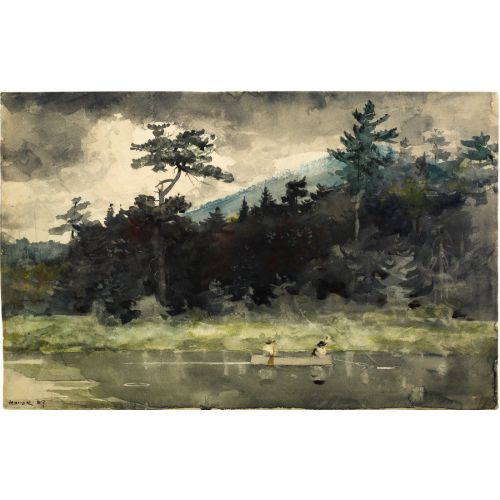
Winslow Homer's A Fisherman's Day is an evocative piece of art that beautifully captures the life and aura of a fisherman at work. Created using pencil on paper, this drawing details the relationship between man and nature. The story captured in this artwork carries undertones of serenity coupled wi..
$10.80
Ex Tax:$9.00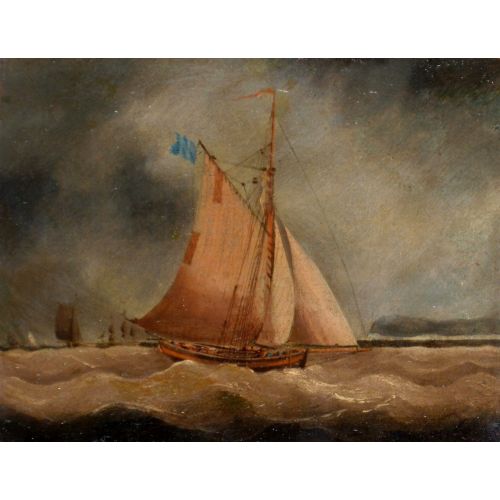
"A Fishing Boat Under Dark Skies" is an impressive piece by renowned maritime painter Thomas Buttersworth. The English artist was well-known for his seascapes and naval battles depicted in oil paint. This piece stands out with its dark color palette that creates a powerful contrast to the white sail..
$10.80
Ex Tax:$9.00
This outstanding artwork, A Huntsman and Dogs, is a significant piece by famed artist Winslow Homer. This captivating depiction presents the audience with a dynamic subject of the mid-nineteenth-century lifestyle involving hunting practices. The masterful drawing technique imbues life into this imme..
$10.80
Ex Tax:$9.00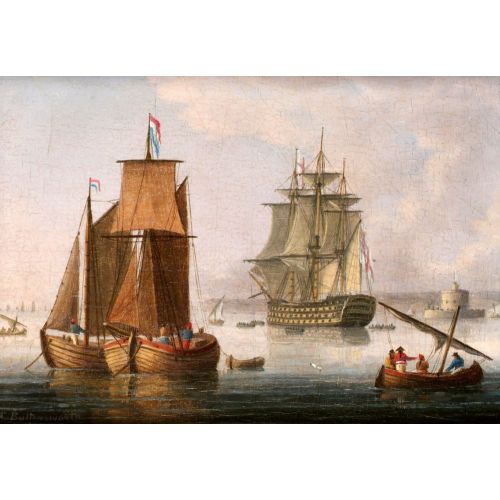
The painting "A Large First Rate said to be Victory Lying Off The Mouth of the Tagus" is a classic piece by renowned artist Thomas Buttersworth. This work significantly employs oil-based paint, utilizing a wide array of vibrant colors from warm earth tones to rich blues and whites creating an immers..
$10.80
Ex Tax:$9.00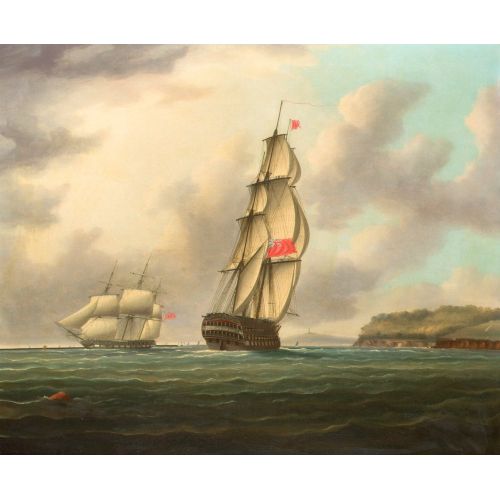
The artwork illustrates an intricate maritime scene, showcasing the prowess of artist Thomas Buttersworth. He demonstrates his adept drawing technique in capturing the minute details, from the rigging lines on both ships to each wave dancing around them.The narrative unfolds with a large ship-of-the..
$10.80
Ex Tax:$9.00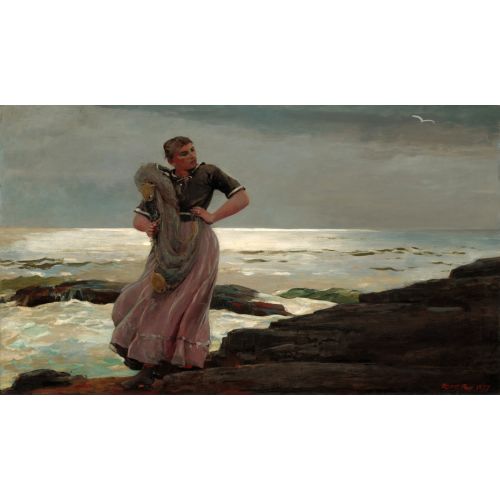
Winslow Homer's masterpiece "A Light on the Sea" is an exquisite example of his detailed use of oil paints and mastery in landscape art. The drawing technique highlights his understanding of natural light effects which he uses to create a vivid contrast between the lighthouse and its surroundings. I..
$10.80
Ex Tax:$9.00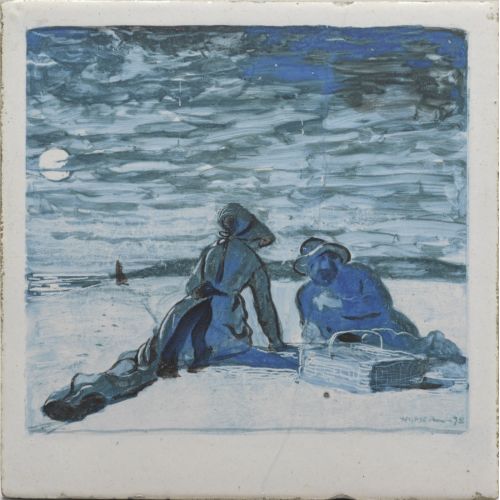
A Littoral Tile is a fascinating work of art crafted by one of America's most revered artists, Winslow Homer. This piece reveals the unparalleled skills and mastery in drawing technique that Homer possessed. The focal point lies on a picturesque landscape where he tells an intriguing story with only..
$10.80
Ex Tax:$9.00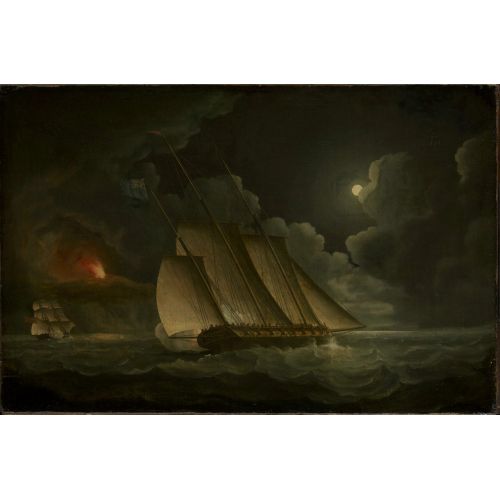
This magnificent work is an oil painting on canvas created by the renowned artist, Thomas Buttersworth. The subject of this piece involves a dramatic chase between a lugger and brig under the soft glow of moonlight along a mysterious coastline.The drawing technique used brilliantly showcases detaile..
$10.80
Ex Tax:$9.00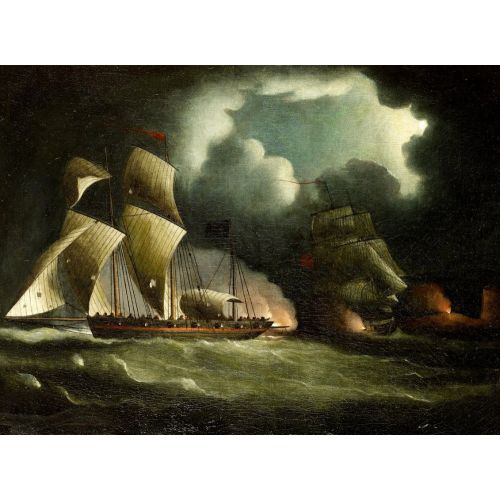
This artwork illustrates the intensity of a chase between a Royal Navy brig and an armed pirate lugger at sea. The drawing technique employed by Thomas Buttersworth in this work is impeccable, with meticulous attention to detail making every element come alive.The story told within this painting is ..
$10.80
Ex Tax:$9.00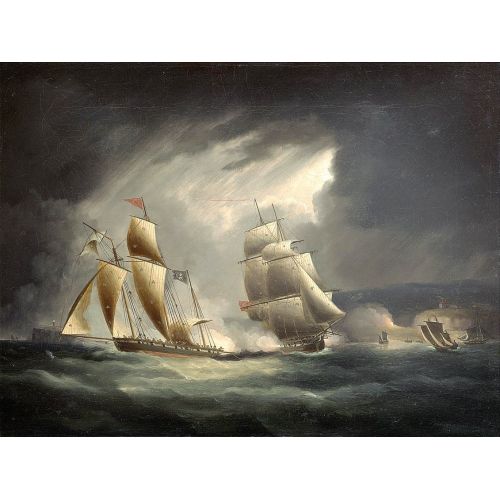
Thomas Buttersworth’s artwork, "A Royal Navy on the South Coast Frightened Pirate Ship," is an intense depiction of a maritime conflict. The subject of this work unravels in dramatic brush strokes against a tumultuous backdrop of waves and dark stormy skies.The drawing technique used by Buttersworth..
$10.80
Ex Tax:$9.00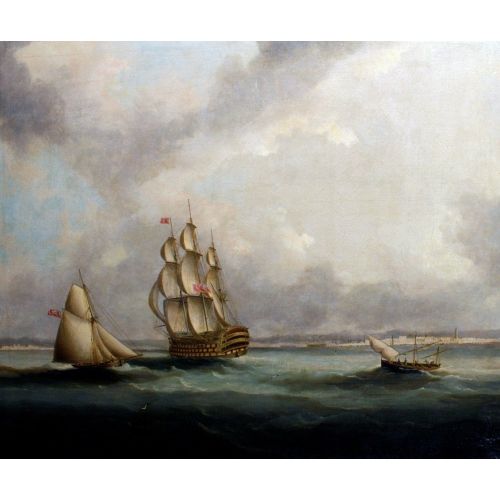
A Ship of the Line off Cadiz is a masterpiece by renowned maritime artist, Thomas Buttersworth. This remarkable piece displays his expertise in capturing scenes from life at sea.The drawing technique utilized by Buttersworth showcases impressive detail and accuracy, making this work stand out amongs..
$10.80
Ex Tax:$9.00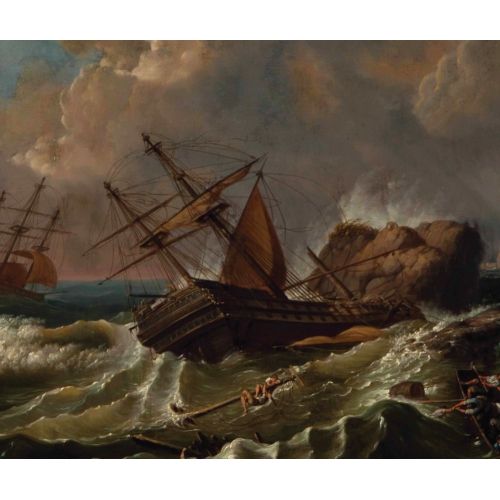
This artwork, titled "A Shipwreck off the Coast", is a majestic piece by Thomas Buttersworth. Illustrated using detailed drawing techniques, it tells the story of a shipwrecked vessel caught in treacherous waves just a few miles away from land. A dramatic splash of colors dominates this art-piece ra..
$10.80
Ex Tax:$9.00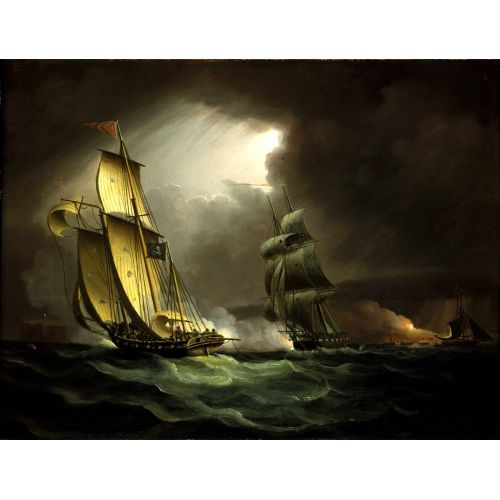
This artwork is a captivating representation of the confrontation between power and defiance, depicted through the chase scene between a smuggling lugger and a naval brig. The work was created using detailed drawing techniques to display precise renderings of both vessels in high seas, instilling an..
$10.80
Ex Tax:$9.00