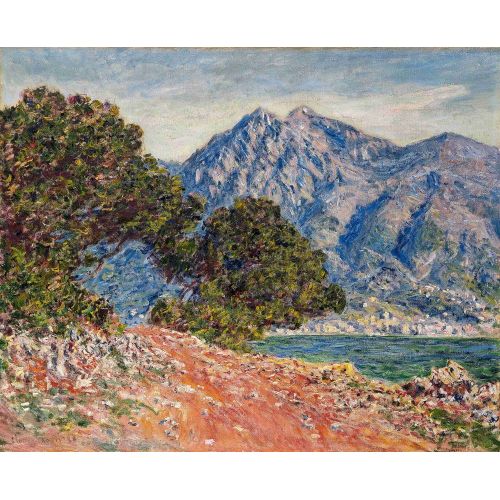
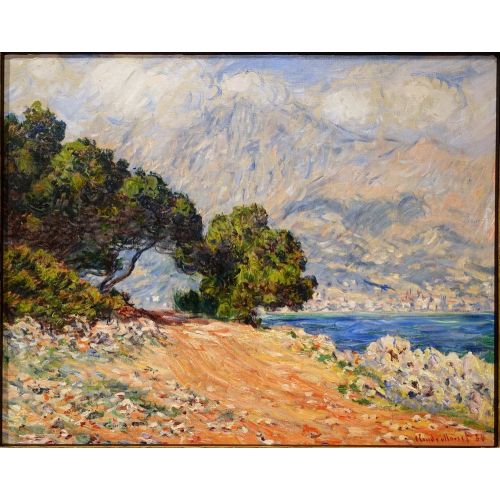
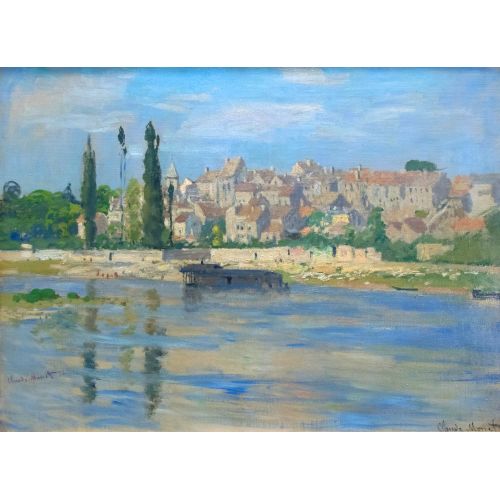
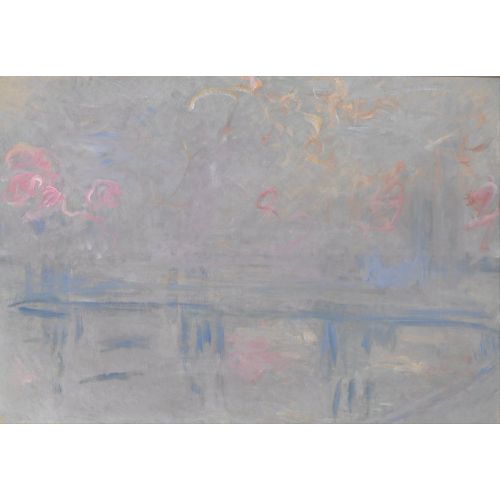
Claude Monet
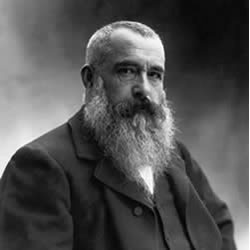 Claude Monet (1840-1926)
Among them are Claude Monet, Renoir, Pissarro, Sisley, Cezanne, Degas. Guillaumin, Berthe Morisot, a group of young independent painters founded a "Joint Stock Company" in 1874 The authorities and the public did not adopt any painting effort, any artistic innovation other than "academic" studies, and moreover, they ridiculed painters who did not follow the footsteps of the old masters. The young painters said, “This is why they weren't accepted by the salon. They also formed a company by mutual agreement. They had decided to open their first big exhibition in the workshop of the famous photographer Nadar on Capucines Boulevard between 15 June and 15 May the same year. The painter Renoir's brother Edmond was preparing the catalog of the painters to participate in the exhibition. Among the paintings of Claude Monet was a landscape painting. The painter called this painting View from Havre. The sun was visible in a bright mist. There were several boats in the foreground. Edmond Renoir;
“You said View from Havre, but nothing is visible, Monet!” said.
Bored painter:
"Well!" he replied. “Type Impression, then.
Impressionist Painter Monet
Edmond Renoir wrote in the catalog “Impression, Soleil levana. When the Havre Appearance changed its name, it became “Impression-Emotion - Rising Sun”. The next day, the exhibition opened. Some of the people watching the paintings were laughing, some were expressing their anger, and some were swearing. Among those who visited the exhibition was Louis Leroy from the Charivari newspaper. The people around the journalist were very pleasant. They were standing in front of the paintings and mocking as much as they could. For a moment Leroy silenced them:
“What does that painting want to show?” when he asked, the people around him began to laugh uncontrollably. The journalist silenced his friends again:
Wait, let's see what it says in that catalogue!” said. Impression Duygu - Doğan Güneş writes. Impression-emotion, I was sure of that. Since I was emotional, I was saying to myself anyway, there must be emotion or something in it!”
Everyone started laughing again. This exhibition was undoubtedly the most successful joke of the year. Leroy's article titled "Exhibition of the Impressionnistes", published the next day, was read in the same humorous atmosphere and was highly appreciated. But ridicule, writings, curses were also forgotten. And there was only one word left: Impressionnisme.
What is Impressionism?
However, “Impressionnisme” was neither a school nor a movement. Except for Pissarro, no painter fully adhered to "Impressionnisme" (impressionism). Because no "impressionniste" had a program or a rule.
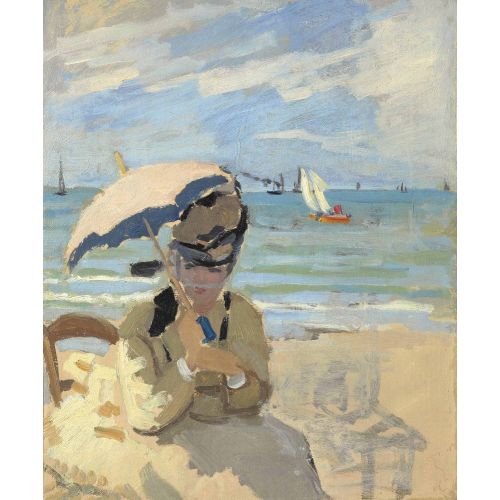
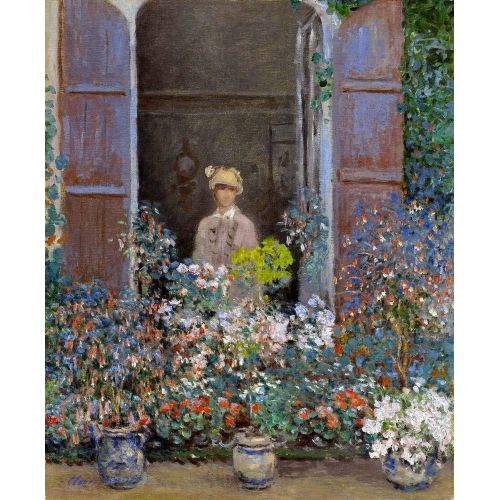
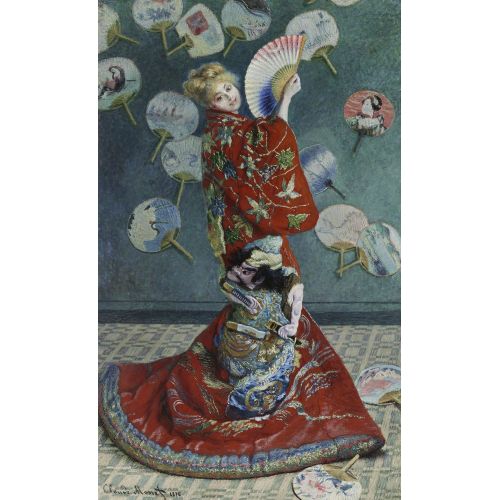
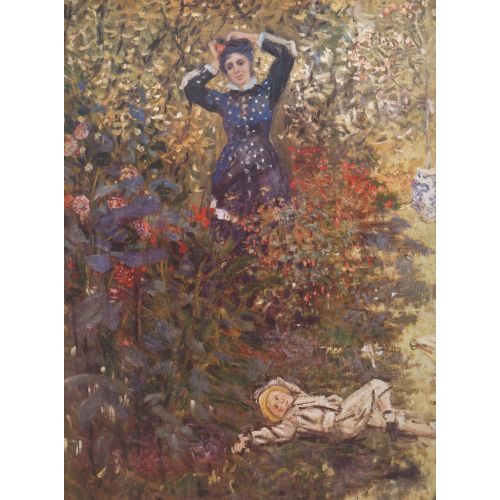
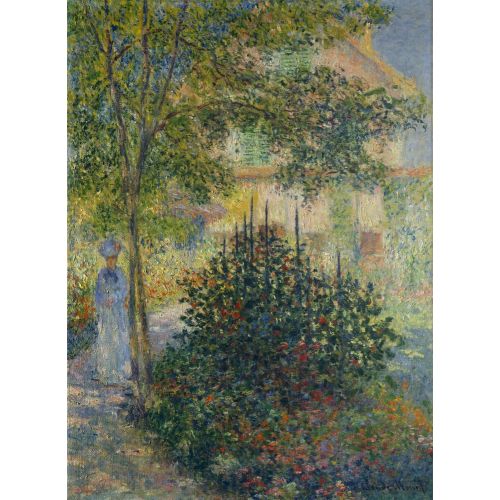
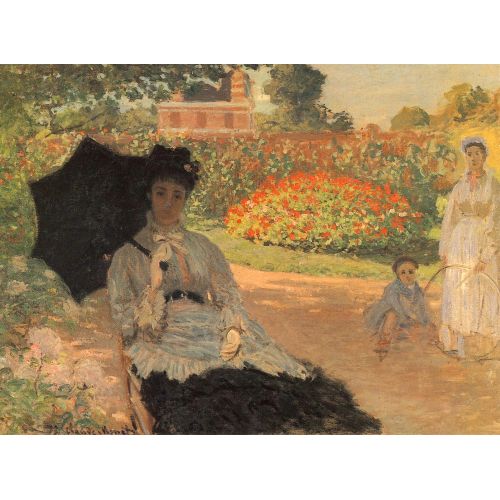
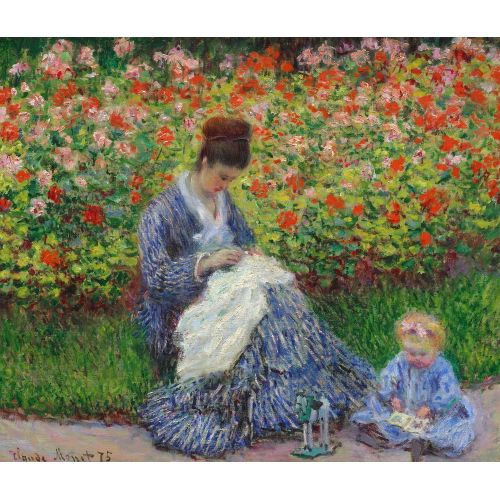
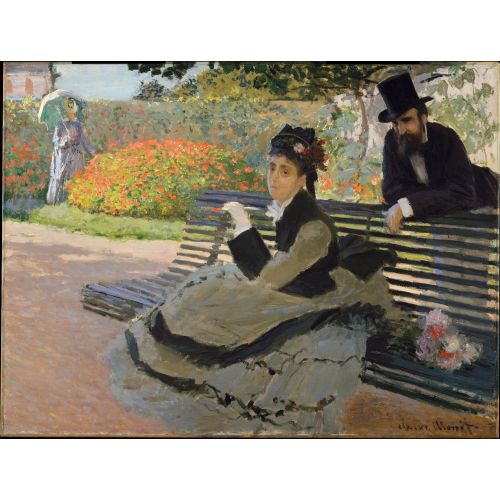
The painters, who were defined as "impressionniste" after Leroy's writing, were the target of various attacks for years until they established themselves. Most of them lived in financial difficulties. A wall of ignorance and folly was always erected against these painters. But none of them stopped them from making progress. Monet was also short of money. They had happy days. There were unhappy days. He got sick, he earned money, but he always painted, he painted constantly. Claude Monet was not a revolutionary. He didn't want to be famous as a rebel in art, he wasn't trying to bring something new to art, he just continued to paint the things he loved in freedom. Monet's sole purpose was color and light.
Claude Monet has always avoided black. Because the painter loved light and brightness. Moreover, he hated black as it was against academic painters who used black a lot. Tonal separation is one of the most important innovations of contemporary painting. Monet and the painters after him gave us a dazzling world in their paintings by applying this. However, Monet's instinctively applied tonal separation, like Seurat and Benri-Edmond Cross, like Signac, like Maximilien Luce, applied a "pointilliste" scientific method.
Monet's First Master Eugene Boudin
Eugene Boudin was the first master of Claude Monet, who was born on November 34, 1840. The Dutch Jongkind also influenced Monet. After all, Monet went to Paris with the instigation of this painter and entered the workshop of the Swiss painter Gleyre. But Gleyre was a gloomy man. There was another young painter who was in love with light and light colors in this workshop: Auguste Renoir, Claude Monet and Renoir met and became close friends here. A month later they both left Gleyre.
“Monet lived in Giverny both in the winter and in the summer. He would get out of bed at sunrise and go to bed at sunset. Its paneurs and curtains were always open. The first rays of the sun awakened Monet. He eats one braised bratwurst. He would drink a glass of white wine, smoke a cigarette, and then get to work. At two o'clock he would go back to his canvas. When the sun disappeared on the horizon, he would eat his dinner and go to bed. Those who said why he acted this way were always given the same response, “The sun has set, what can I do now?”
Claude Monet's Perspective on Painting and Art
“Paintings are not made with doctrines.” Price hikes on paintings are a disgrace. There are magazines and newspapers that praise bad painters. Everyone argues, everyone claims to understand. However, just love is enough. When sellers* choose between my charts, they often pass without seeing the best chart. I have met only one person who truly loves his chieftain passionately. This man was Mr Chocquet. “Let them not tell me why and how I like the painting, I don't need it* he would say.
During the “impressionniste 'Ter” magazine we opened, when he wanted to enter Nadar, they said to Mr. Chocquef: "Don't go there! They introduced us. Their eyes filled with tears: "It's a shame for my year. They were saying, "It's stupid, it's disgusting. This provoked us, encouraged us, made us work."
Elie Faure Thoughts on Monet:
“Claude Monet is drunk with light. Even if the sun has not yet risen, even if it is dark, Monet sees the sun before others. The light cover that the sun spreads on the earth is for him an innumerable crowd where one hundred thousand colorful atoms wander and encounter. Others see this altogether, Monet distinguishing the winter sun from the summer sun, the autumn sun from the spring sun. The sun rising in the morning and the setting sun in the evening are not the same as the suns between this period. He watches the sun rise, rise, and descend minute by minute. Here are a hundred different images of the same water, a hundred different images of the same trees, and they are like a smile and a smile on a human face, like hope with pain, like fear with indecision.