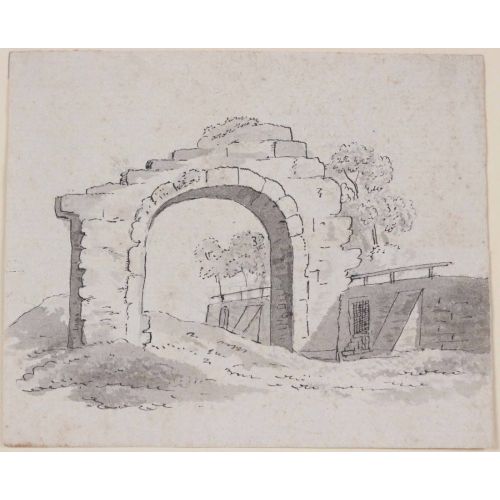
Caspar David Friedrich, A Ruined Archway
- Categories: Art Movements, Romance
- Stock: In Stock
- Model: casdf08-tp4535
- MPN: 340000592560

MUSEUM PRINTS

Canvas Prints
Canvas print artworks are created by printing high-resolution images onto linen canvas fabric. They offer a long-lasting, aesthetic, and economical alternative. Arthipo produces famous paintings with high-quality materials and paints, staying true to the original. For those who wish, an oil painting effect can be added with brushstrokes. The artworks are delivered ready to hang, with wall-mounting hardware included.

Reproduction Painting
A reproduction painting is a hand-made recreation of a famous artwork, crafted in fidelity to the original. Each piece is drawn by a professional artist. The artists use high-quality canvas and oil paints to create each painting individually. After completion, the artwork is reviewed by art consultants. These paintings are museum-quality and shipped worldwide.

Fine Art Poster Print
Fine art prints on paper require special techniques to closely match the colors and details of the original artwork. For this process, high-GSM textured art papers and pigment-based inks of archival quality are used. The prints are produced using state-of-the-art digital machines, applied flat without bending or damaging the surface of the paper. The result is both aesthetically pleasing and suitable for archival purposes.

Framed Artworks
Framed canvas and fine art posters are the most elegant way to bring artistic style to your walls. Produced with high-quality printing techniques, these products add a refined artistic touch to your decor. They are offered with a variety of frame styles to suit both modern and classic tastes.

High-Resolution Digital Files
Files in 300 DPI or higher resolution are color-corrected, light-balanced, and contrast-adjusted by graphic specialists. High-resolution artwork or poster files can be purchased via Arthipo by selecting “download” on the product page and are delivered via email after purchase.
Packaging
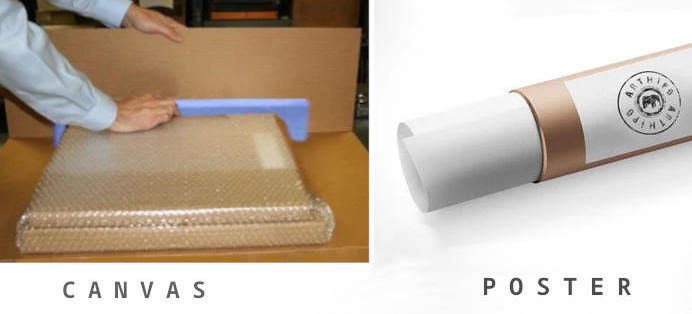
Products are securely packaged. Framed and canvas artworks are shipped in protective boxes, while fine art posters are rolled and shipped in sturdy cardboard tubes.
Delivery
Fast delivery worldwide with "DHL Express". Arthipo guarantees delivery and product quality.