

Rules You should know when purchasing artwork? What are the rules you need to know when buying artwork? Art doesn’t have specific rules, but there are rules about how you talk about art or how you buy art.
Rules You Should Know When Buying Artworks, Paintings, Sculptures, Important Issues
What to say to artist friends other than ‘This is so beautiful’?
It is not difficult to please artists or other creative people with compliments. Any enthusiastic generalization will make. And when you’re not there as an art critic, even if you really hate the job, there’s a well-known saying: “You must be so proud.”
But wait, what? This doesn’t help. And that’s kind of rude. Also, keep up the bad behavior.
There are some real etiquette rules for talking and working with artists based on some common questions collectors often ask.
Can I directly ask an artist to purchase an artwork I’ve seen in a gallery?
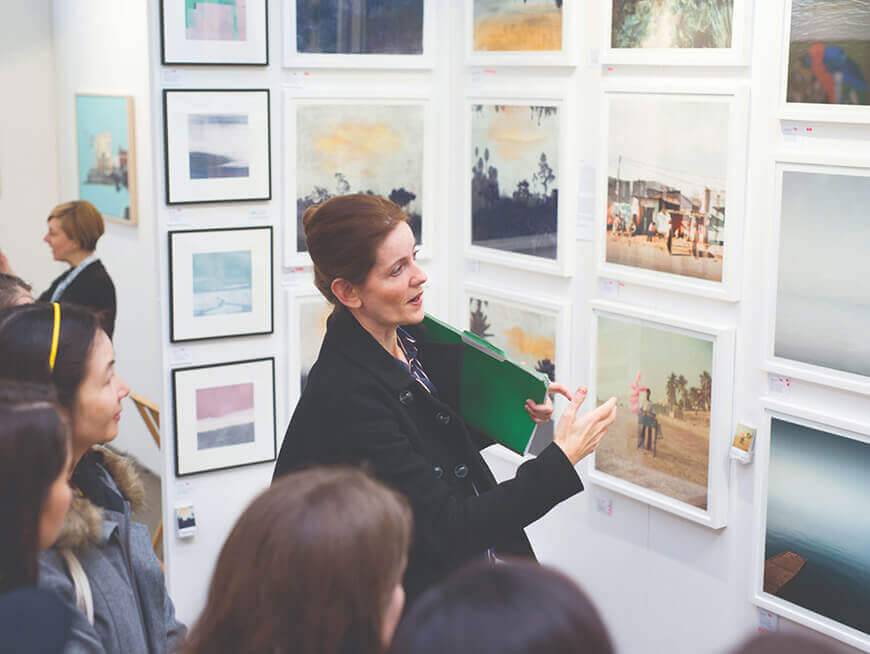
RULE #1: If you find a work of art you like at a gallery, show, or through an independent art dealer, you should run your business there. Respect the artist-gallery relationship when working with art galleries.
WHY: When collectors skip the gallery, often because they think they can make a deal by cutting the middleman, what they’re doing is risking the artist’s job.
Unbelieving artists are usually removed from the gallery as soon as their behavior is discovered. Losing this relationship can ultimately ruin an artist’s career, as one loses the stability and benefits of representing oneself and explaining their work and pricing system.
In the last few years, there have been many artists leaving the galleries and going out on their own to sell their artwork. There is a direct correlation with having a longstanding relationship with a reputable gallery and being able to provide solid prices for your work.
TIP: Work with galleries. Be transparent. Ask lots of questions; it’s their job to educate you and help guide you through the process. And if meeting the artist is important to you and I think should be part of your final decision, make it easy to sell.
Think of it this way, trying to get the gallery off the commission they deserve is like asking your doctor if he can avoid paying the hospital by going to his house for a discount and having surgery there.
Rules You Should Know When Buying Artworks, Paintings, Sculptures, Important Issues. Rules You Should Know When Purchasing Artwork
What if you see a piece of art at an exhibition and it doesn’t sell after the show is over? Who gets the commission if you buy?
RULE 2: People can argue this point. In our opinion, if you’ve seen something you’re interested in but haven’t purchased on the show arena, it’s still considered eligible for a reasonable amount of time after the show closes. It is necessary to make the sale through the exhibition or to have the artist direct the commission to the exhibition.
WHY: Artists need exhibitions and art galleries need reliable artists. A great relationship when worked in harmony. Collectors should help maintain harmony by understanding and supporting this important business relationship.
TIP: Juried and invited exhibitions have a real end date. Therefore, if a month or more has passed, or if the painting has been returned to a gallery, the gallery receives a commission. Often national exhibitions are set up to support a cause. Whenever you decide to purchase an artwork you find in the exhibition, consider supporting the cause.
Collectors should be reminded of the expenses incurred when putting together an exhibition by a nonprofit or private gallery for a cause.
When is it appropriate to ask for a discount on an artwork from an art gallery?
RULE 3: Discounts are for loyal customers who work with an image gallery quite specifically and purchase a substantial amount of artwork from that gallery or purchase a large number of works at once.
WHY: In the days before the discount method was ubiquitous, image galleries used it as an advantage for their best collectors. Typically 10% will be split between the gallery and the artist, with each party receiving 5%, and similar methods are still used.
The biggest problem with discounts is that if done frequently, they completely devalue the artist’s work. That is, anyone who buys the work without a discount is essentially overpaying.
TIP: Collectors should understand how prices are determined before asking for a discount.
Usually, painting prices for a famous professional artist are calculated in square inch, for example 20×30: 600 inc², 10 dollar per inc², the price of the painting will be 6000 dollars. The price per inch² may increase or decrease depending on the artist’s talent and reputation. Pricing of printed work can be determined by the size of the print, how complex the job is, for example, how many plates there are for a hand-drawn print, and its importance or relevance, especially with photography. You can review the painting pricing article for painters.
Painting pricing depends on the longevity of the artists, the stability of their prices and the purchasing power of the market.
How long has the artist been working professionally?
How do they price their work?
What kinds of promotions were made? Magazine editorials, awards, honors, inclusion in major collections?
How much say do I have when I order a piece of art? Can I be involved in the creative process?
RULE 4: The artist is not an extension of you or your employee.
WHY: Commissioning an artist doesn’t give you the freedom to dictate anything beyond the size, medium, and subject you want to take on. As you begin the commission process, never forget that the artist does not live in your head and does not do what he does for a living.
If you really want a very specific vision and it’s outside the style of the artist you’re commissioning, consider taking art classes. Who knows, maybe there is an artist struggling to get out of you!
What should I expect when visiting a painting studio?
RULE 5: Never visit unannounced. Always get your appointment confirmed Don’t think you can buy anything from the studio and get the work you see “wholesale”.
WHY: Studios are sacred places. They are personal and creative, but also professional workplaces. So plan for a great behind-the-scenes opportunity by researching the artist before you go. You will have a knowledge base for immediate use.
TIP: Keep the judgments to yourself. Art in a studio will be in various stages of completion. Whether the artist is struggling with a work, trying something new, or trying to do something that has struggled with them until now, he has a vision. In general, artists won’t be doing this for you to see, so don’t wander around the painting studio.
Ask questions. Seriously, ask if you don’t know something. If the artist uses a term or refers to an aspect of the work you’ve never heard of, ask for clarification. Artists love to talk about the subject they are experts in, namely their artworks.
Tell the artist what you like and what interests you about the work. This is a great way to learn more about the technique and what inspires it. Alternatively, if there’s a job you’re not interested in, you can ask it without judgment so you can find out why the artist believes it was successful.
As a curator, visiting artist studios is one of the best parts of my job; I always see this as a privilege. If you’re invited to an artist’s studio, schedule at least an hour, do your homework, and don’t be afraid to ask questions, just stay professional. Rules You Should Know When Purchasing Artwork.