History of the Ancient City of Hattusa, Capital of the Hittite State
Hattusa is located in Boğazkale District of Çorum Province, in a typical landscape of the Northern Central Anatolia Mountain Region. Hattusha was the capital of the Late Bronze Age kingdom of the Hittites. The history of this kingdom, which is referred to as the Land of Hatti in ancient texts, dates back to BC. It covers a period of almost five centuries, from the 17th to the early 12th centuries. At the southern end of the Hattusha Budaközü Plain, on a slope rising approximately 300 m above the valley, it is divided into two as the lower city in the north and the upper city in the south.
Hattusa was discovered in 1834 by the French architect Charles Texier. This can be perceived not only as the discovery of Hattusha, but also as the discovery of the Hittites, who had been completely forgotten.

hattusas hittite bogazkoy
Hattusa Architecture and Art
The best preserved remains of a 13th-century BC Hittite Temple known as the Great Temple are in the Lower City. Other temples of similar history and shape, albeit generally smaller, are located in the Upper City, which consists mostly of a temple city for the gods and goddesses of the Hittite and Hurrian pantheon.
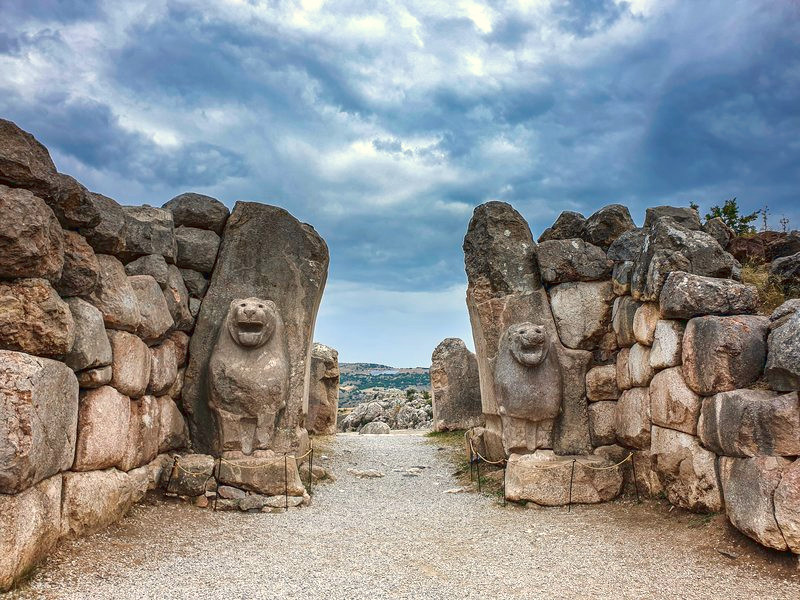
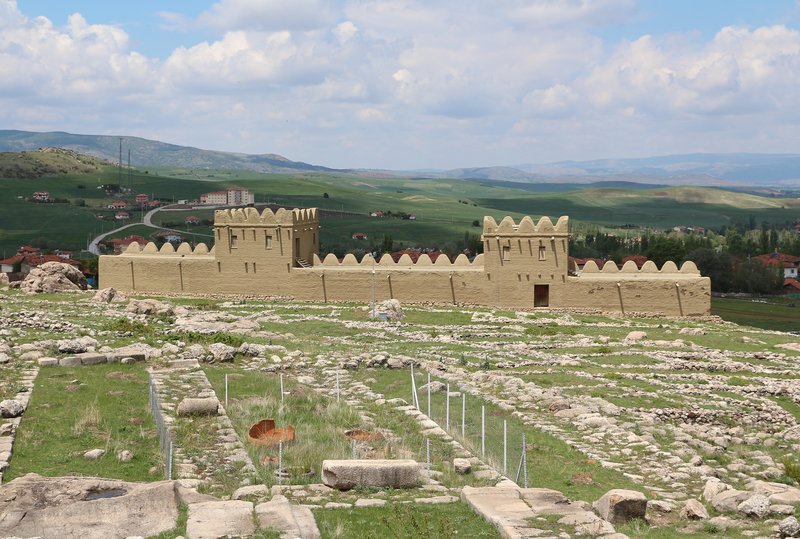
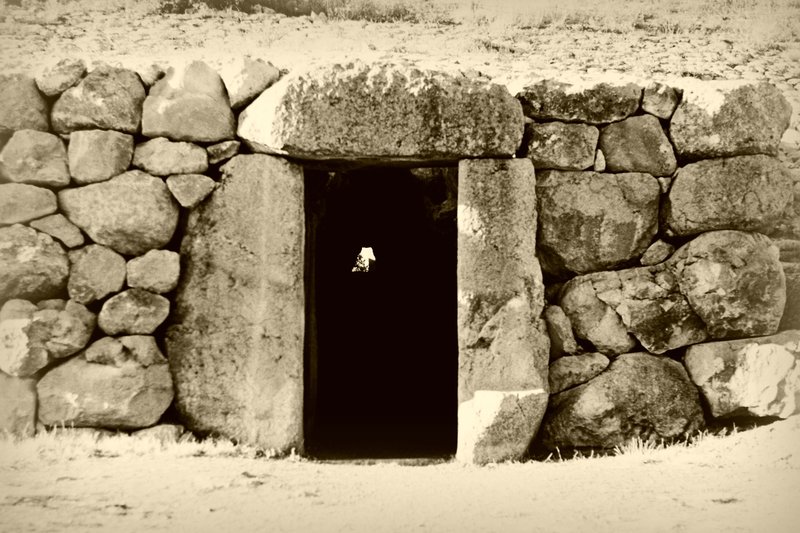
A monumental perimeter wall longer than 8 km surrounds the entire city. Around the lower city are the remains of the old city walls and partition walls dividing the large city area into separate quarters. The remains of the upper city’s fortifications form a double wall of more than a hundred towers and five gates as far as is known today: two to the west, the Lion’s Gate to the southwest, the King’s Gate to the south-east, and a gateway, the Sphinx Gate to the south of the city. The second is located at the top of a high artificial bastion with stone plastered slopes; There are two stairs leading to the gateway at the top and an arched stone tunnel underneath.
Hattusa, Hittite Capital Bogazkoy
Rock Temple
The famous rock temple of Yazılıkaya, an open-air temple with two natural chambers carved into the bedrock, is located on the slope of a mountain barrier, 2 km northeast of the capital. The walls of the rock chambers are covered with the richest and most striking examples of Hittite relief art, the gods and goddesses and the Great King IV. It contains the figures of Tuthaliya. First mentioned in cuneiform inscriptions, Kayalı Boğaz is a large fortified settlement located 1.5 km east of the King’s Gate. It may have served as one of the outposts and forts in the countryside to monitor and control the main roads leading to the city. Ibikcam Forest is one of the last remaining examples of a dense forest that covered the mountains south of the capital during the Hittite period.
Rock Temple
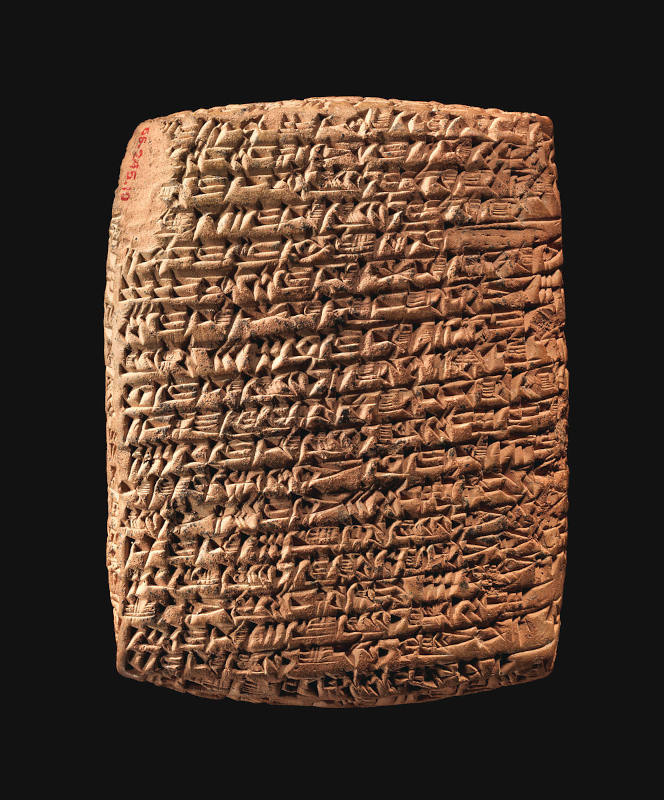
One of the most important discoveries in the region are the cuneiform royal clay tablets known as the Boğazköy Archive, which consists of official correspondence and contracts, as well as legal codes, cult ceremonial procedures, prophecies and literature of the ancient period.
Famous for its Gates, Hattusha, Lion Gate, Sphinx Gate, King’s Gate, Lion Gate, Yerkapi (The Gate of Secret Exit of the People in Case of Siege of the City). Hattusas is a remarkable archaeological site in terms of its urban structure, preserved construction types and rich ornaments, and its rock art collection.