Arshile Gorky
Arshile Gorky
Arshile Gorky was an Armenian-American painter, considered one of the seminal figures in the development of Abstract Expressionism. He was born Vostanik Manoug Adoian around 1904 in the village of Khorgom, situated in the historic Armenian region of Van, which was then part of the Ottoman Empire. His life was marked by early trauma, including the Armenian Genocide during World War I, which led to the death of his mother and devastated his homeland.
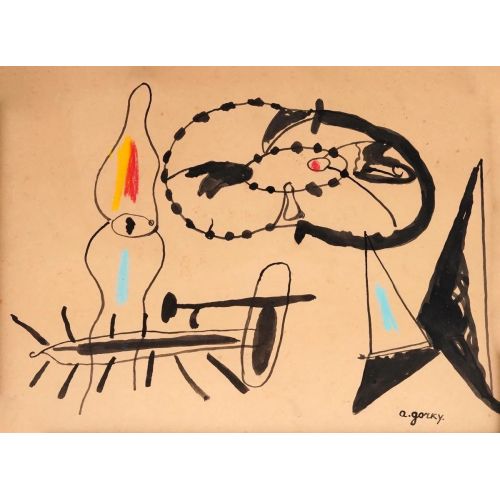
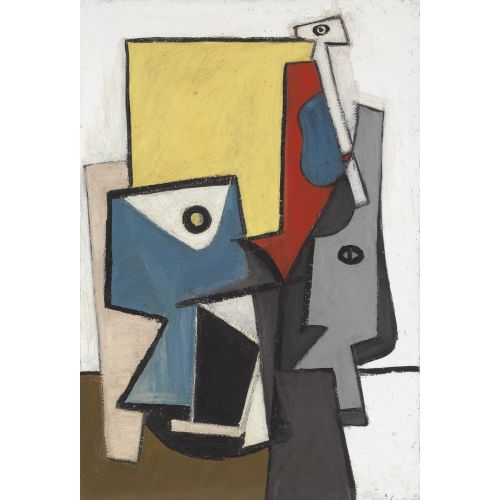
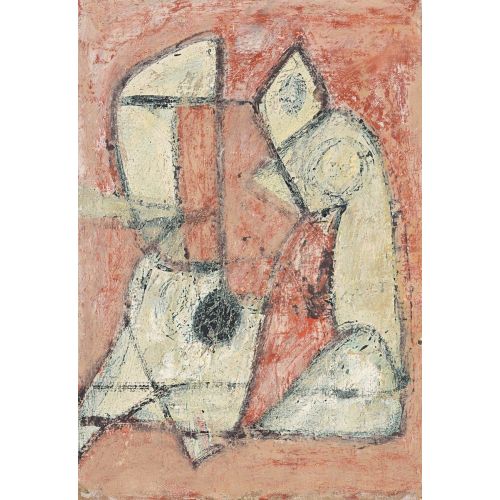
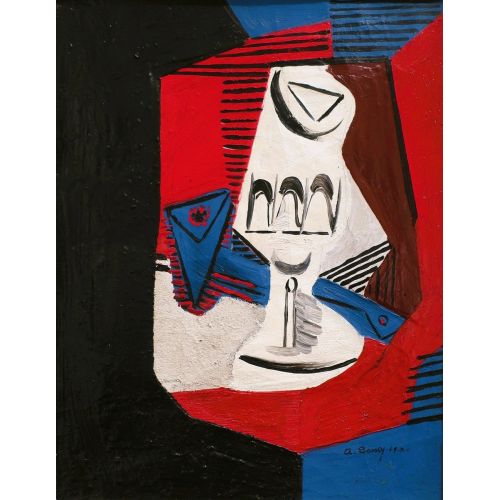
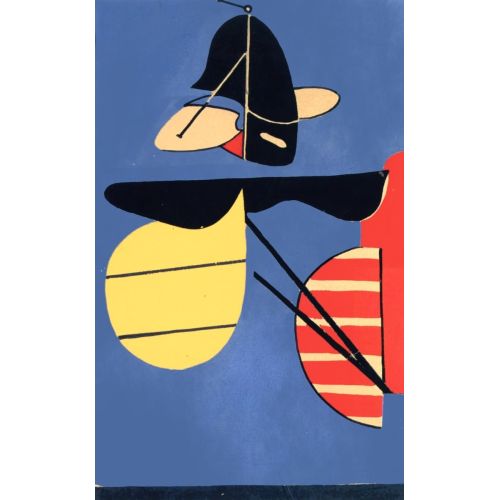
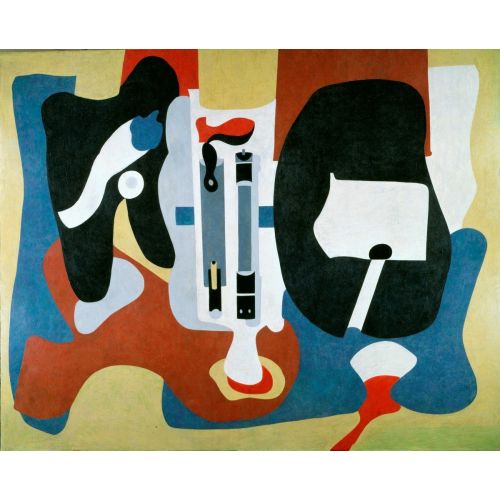
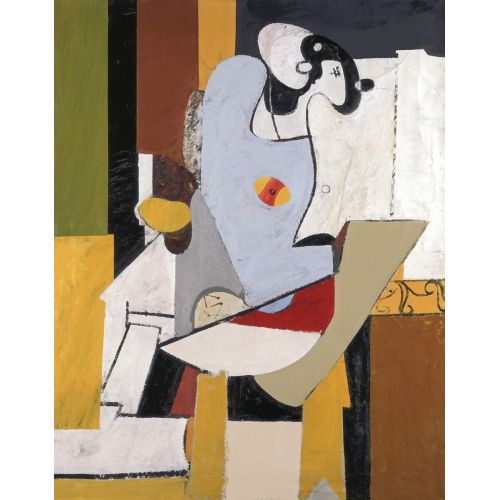
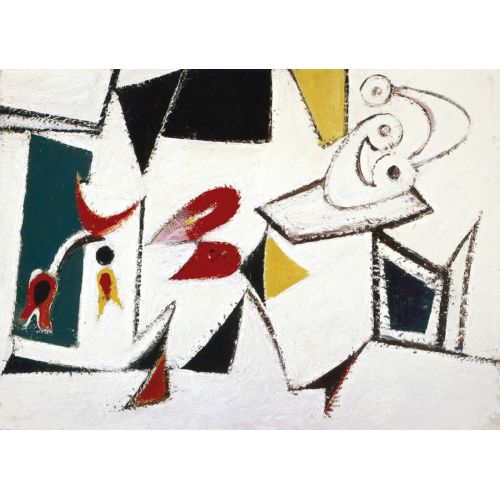
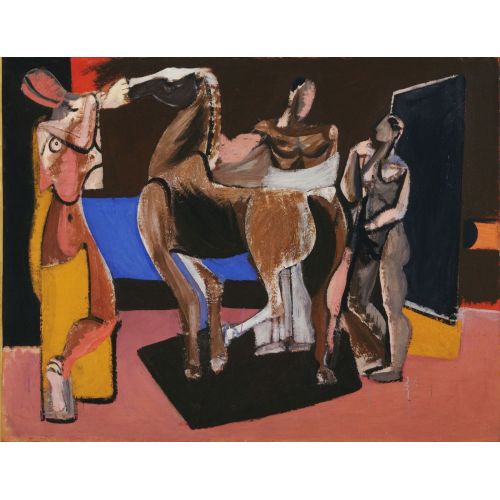
Gorky emigrated to the United States in 1920, settling in Massachusetts before moving to New York City. In America, he adopted the name "Arshile Gorky," an identity that evoked Russian author Maxim Gorky, as a way to reinvent himself and facilitate his entry into the art world. His early work showed the influence of Impressionism, but as he grew in his artistic career, he began to experiment with different styles, drawing significantly from Surrealism and the works of Pablo Picasso.
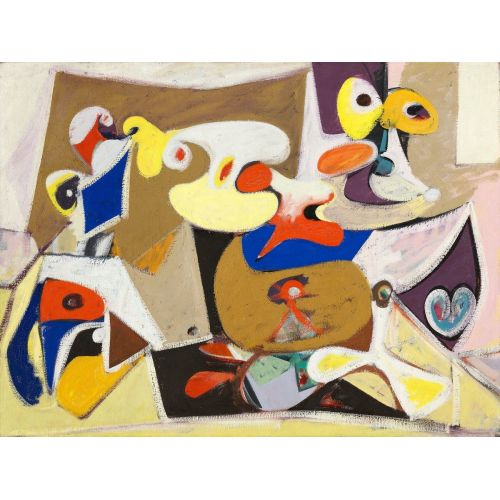
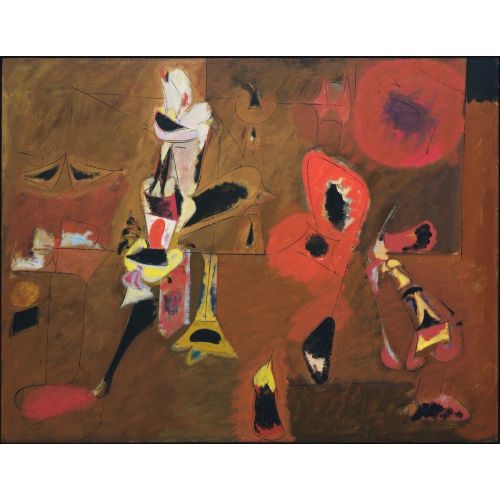
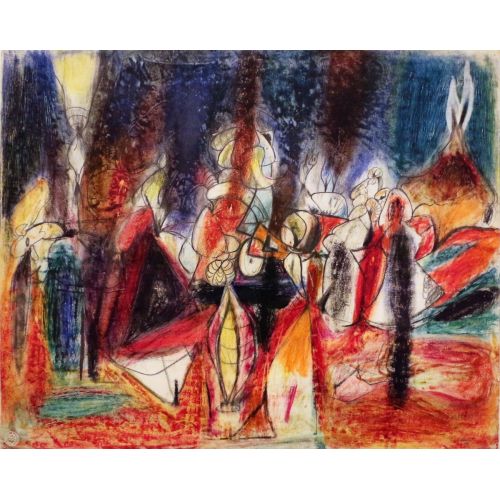
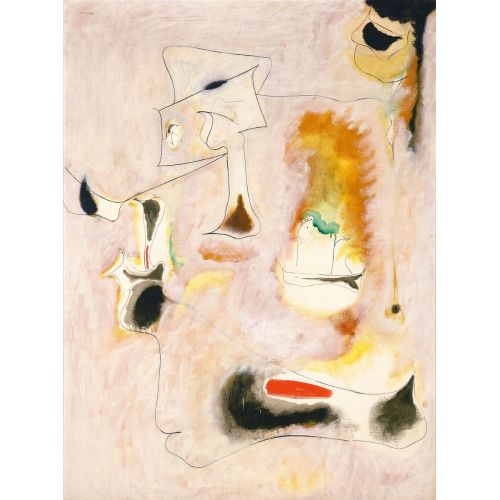
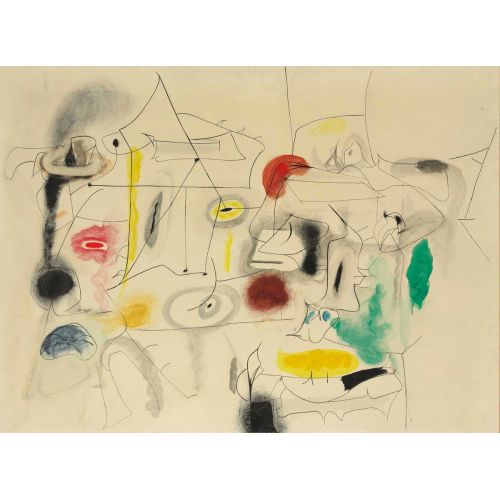
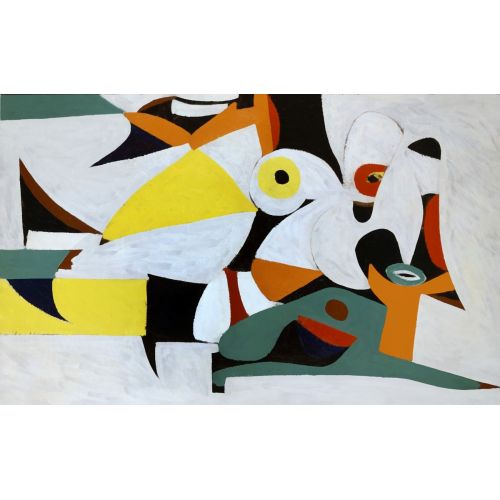
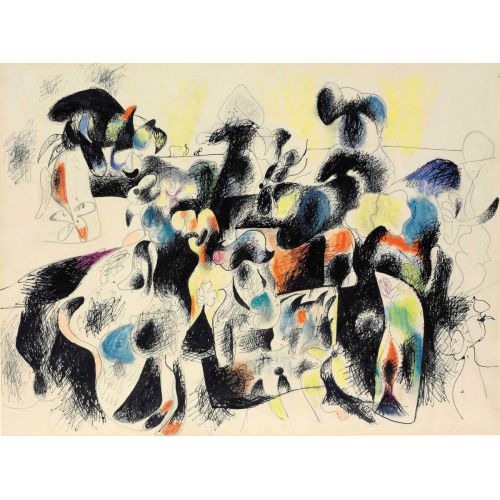
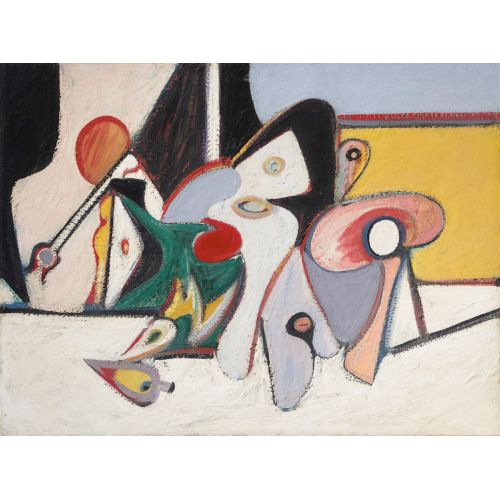
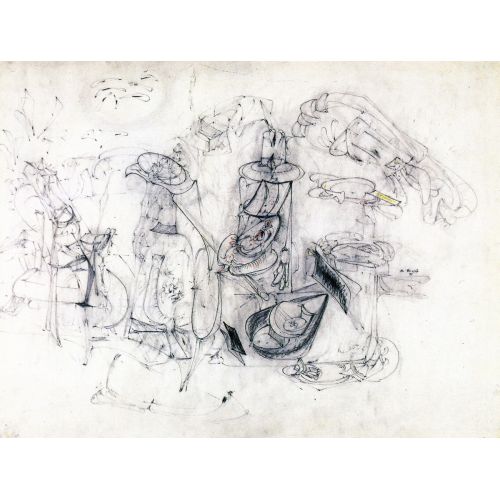
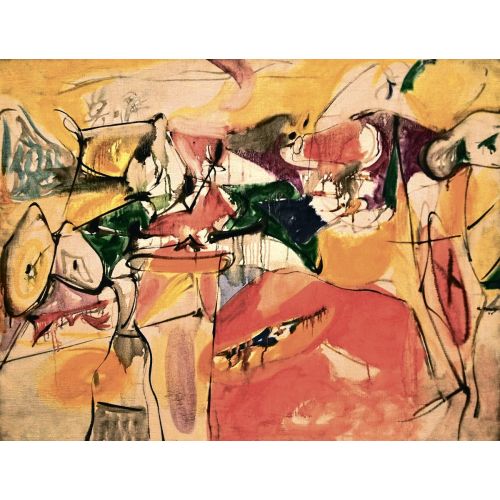
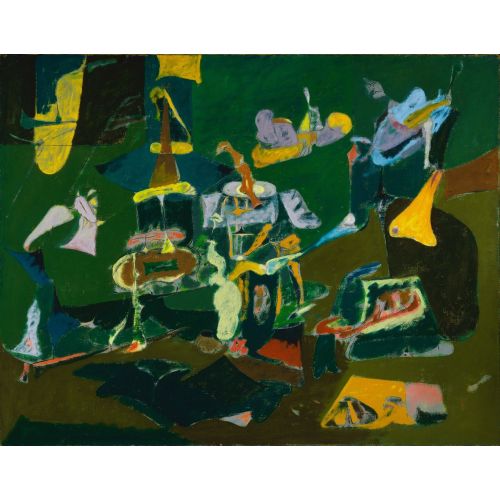
Gorky's unique style evolved during the 1940s as he began to synthesize the biomorphic forms of Surrealism with more abstract and lyrical forms, creating vivid, emotive landscapes and dramatically abstracted figures. His work became characterized by fluid, organic shapes and a rich use of color. Notable works from this period include "The Liver is the Cock's Comb" (1944) and "Agony" (1947), which showcase his mature style marked by emotional depth and complex compositions.
Tragically, Gorky's life was marked by personal hardships, including a studio fire that destroyed many of his works, a painful surgery, and a tumultuous family life. These events, compounded by his fragile mental health, led to his suicide in 1948.
Despite his relatively brief career, Gorky's influence on American art is profound. He is credited with bridging European Surrealist art with the emerging American Abstract Expressionist movement, influencing contemporaries and successors like Willem de Kooning and Jackson Pollock. Gorky's legacy is celebrated for its intense emotionality, innovative techniques, and his pivotal role in the transition towards abstract expressionism in American art.