
Andy Warhol, Three Coca Cola
- Categories: Art Movements, Pop Art
- Canvas Prints, Figure
- Stock: In Stock
- Model: AWARHOL93-tp5070
- MPN: 340000300914

Available Options
Andy Warhol, Three Coca Cola
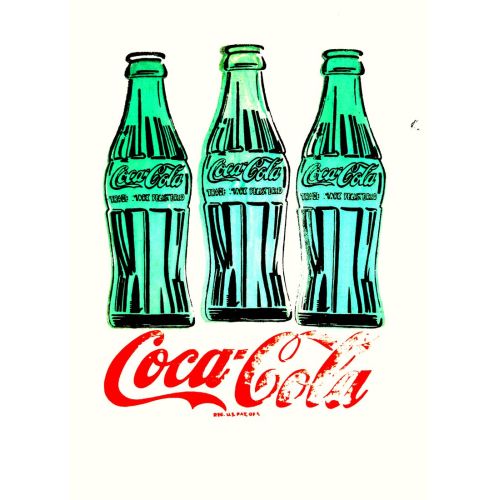
This artwork by Andy Warhol features three depictions of the iconic Coca Cola logo. The subject of the work is the commercialization and mass production associated with consumer culture.
The drawing technique used in this piece is screen printing, which allows for multiple repetitions of a single image. This method emphasizes uniformity and mechanization, further highlighting the concept of mass production.
The colors used in the artwork are predominantly bold and vibrant, representing the pop art movement that Warhol was associated with. The primary color utilized is red for emphasis on branding and recognition. Warhol often made use of acrylic paints to create his artworks as they provided bright and vivid hues.
In terms of meaning, Andy Warhol's Three Coca Cola explores themes such as consumerism, advertising, repetition, and everyday objects being transformed into works of art through their representation or replication. The painting critiques capitalist society's obsession with brands while also celebrating ordinary items such as soda cans becoming symbols within popular culture. This particular composition highlights both individual uniqueness (each can) and sameness (the repeated imagery), bringing attention to concepts like brand loyalty, commodification,and cultural homogenization.
Style
Andy Warhol was an influential figure in the pop art movement during 1960s America. He embraced a style characterized by its boldness, vibrancy,and simplicity.Since he believed that any object could be considered "art," he created pieces inspired by mass media,the advertising industry,and recognizable symbols prevalent in American society.His work frequently incorporated repetition,easily identifiable images,restrained compositions,and saturated colors.The tone used in this specific artwork reflects his satirical approach towards consumer culture which involves using famous logos/icons from popular advertisements beyond artistic expression where deeper meanings lie beneath seemingly simple or straightforward imagery.