
Andy Warhol, Flowers 5
Andy Warhol, Flowers 5
$10.80
Ex Tax: $9.00
- Categories: Art Movements, Pop Art
- Stock: In Stock
- Model: awarhol107-tp3030
- MPN: 340000331349

Available Options
Andy Warhol, Flowers 5
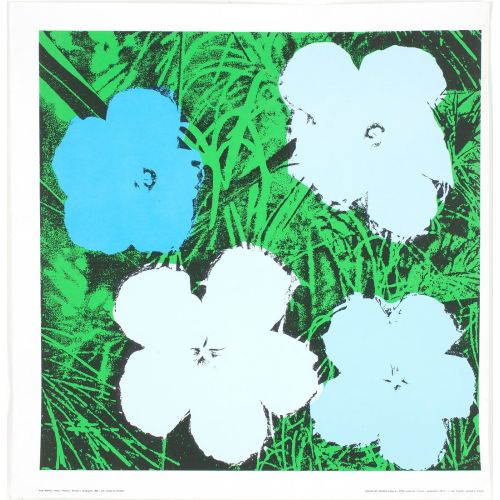
Subject of the work: A depiction of flowers.
Drawing technique: Pop art style with bold and simplistic outlines.
Colors: Vibrant and contrasting colors, often using bright hues like pink, yellow, blue, etc.
Type of paint used: Acrylic paints were commonly used by Andy Warhol in his works.
Artwork meaning:
- The series "Flowers" was created as a response to criticism received for his earlier Death and Disaster paintings. It symbolizes nature's beauty and acts as a metaphorical palette cleanser from the darker subjects he had explored before.
- This artwork also reflects Warhol's interest in consumerism and mass production. By reproducing images of flowers multiple times on canvas or screen prints, he questions traditional notions of originality in art.
- A notable aspect is that these flower images were mostly sourced from photographs found in magazines rather than being drawn directly from life or imagination.
(source - https://www.tate.org.uk/art/artworks/warhol-flowers-t05010)