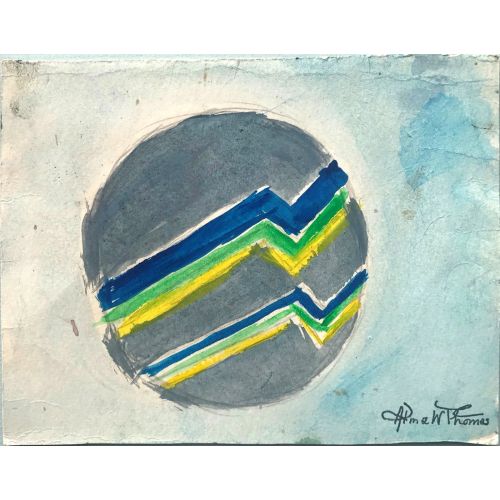
Alma Thomas
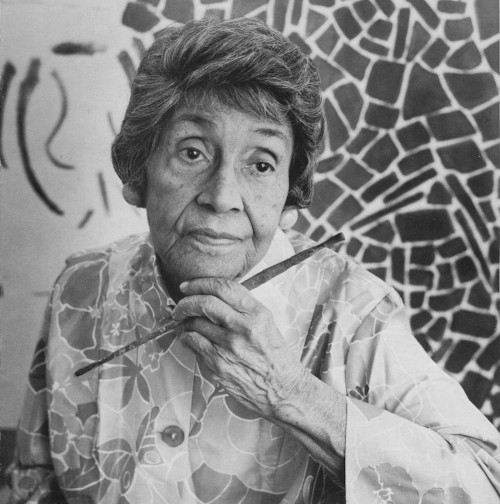
Alma Thomas
Alma Thomas: A Trailblazer in Abstract Art and African American Art History
Early Life and Education
Alma Woodsey Thomas was born on September 22, 1891, in Columbus, Georgia. As the eldest of four daughters, she grew up in a family that valued education and creativity. Her father, John Harris Thomas, was a successful businessman, and her mother, Amelia Cantey Thomas, was a dress designer, which exposed Alma to artistic endeavors from an early age.
In 1907, the Thomas family moved to Washington, D.C., seeking better educational and professional opportunities. This relocation proved pivotal for Alma's future career. She graduated from Howard University in 1924 with a degree in Fine Arts, becoming the first graduate of the university’s newly established art department. Later, she earned a Master of Arts degree in Art Education from Columbia University.
Teaching Career and Early Art
Thomas began her career as an art teacher at Shaw Junior High School in Washington, D.C., where she taught for 35 years. During her tenure, she established an innovative art curriculum that inspired countless students. Despite her commitment to teaching, she continued to pursue her artistic interests, taking classes at American University under the guidance of prominent painters like Jacob Kainen and Joe Summerford.
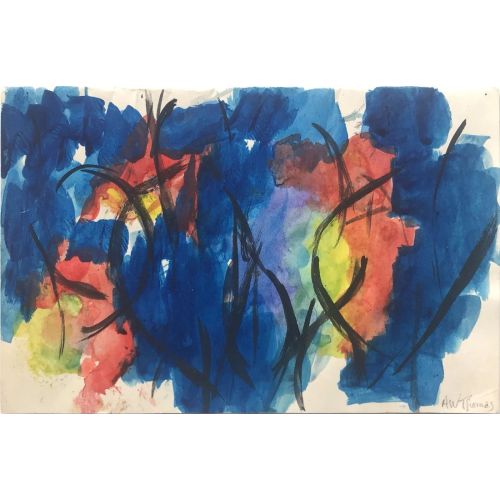
Her early work was influenced by the realism of the American scene and focused on representational art. However, as she evolved as an artist, she began exploring abstraction, inspired by nature and her surroundings.
Shift to Abstract Art
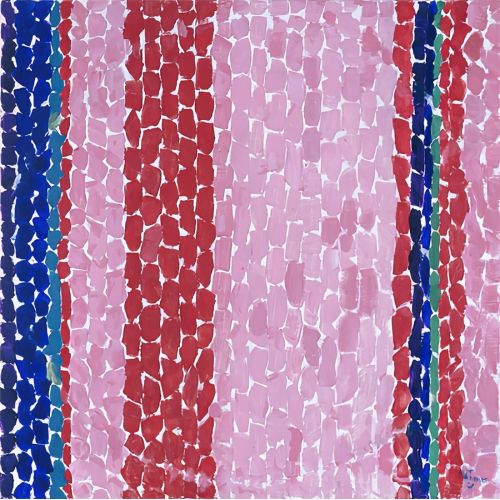
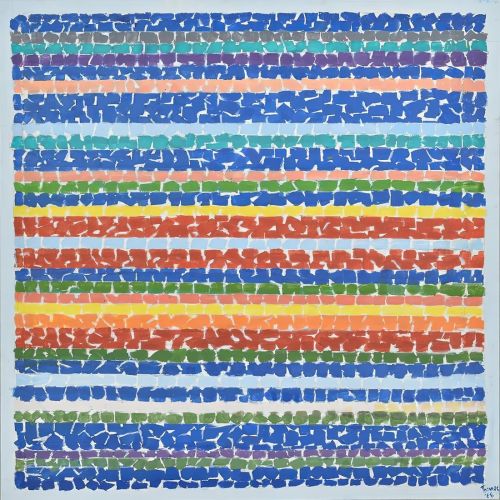
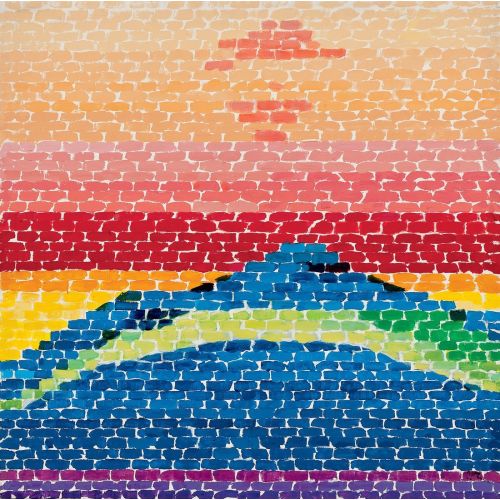
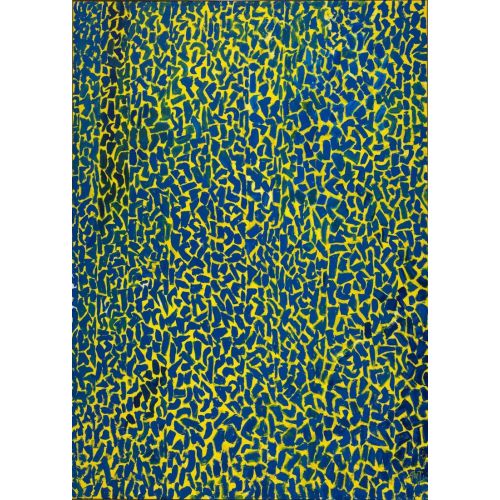
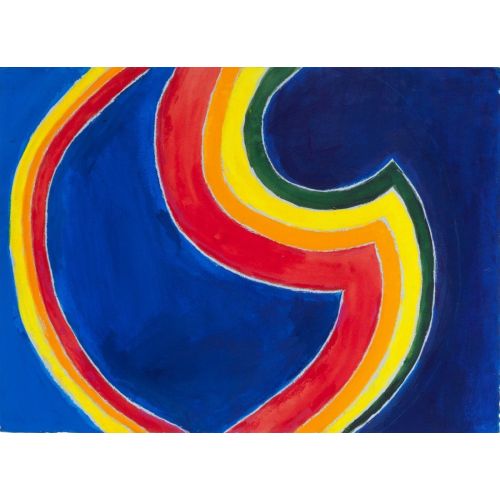
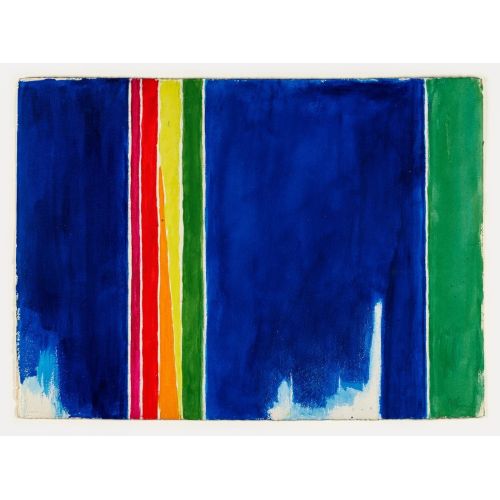
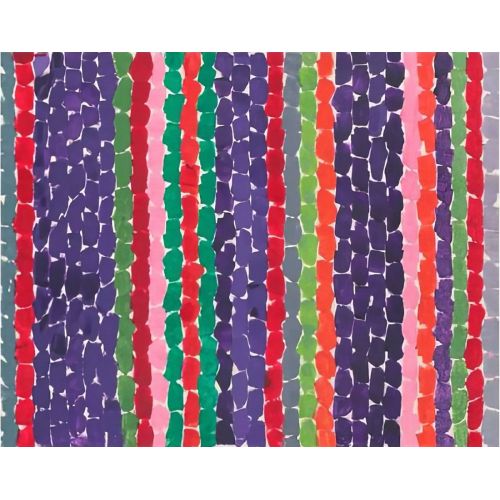
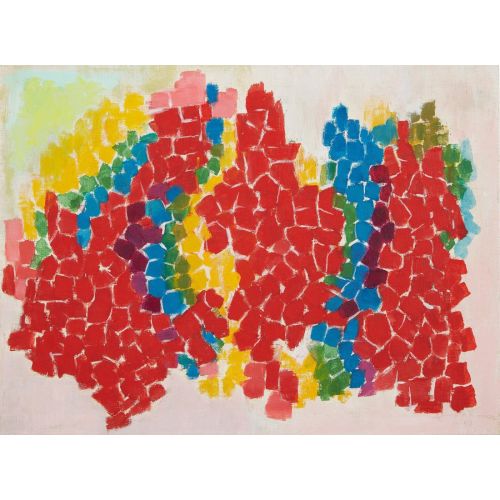
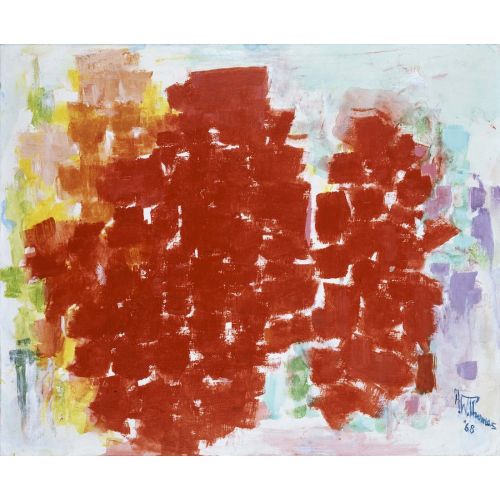
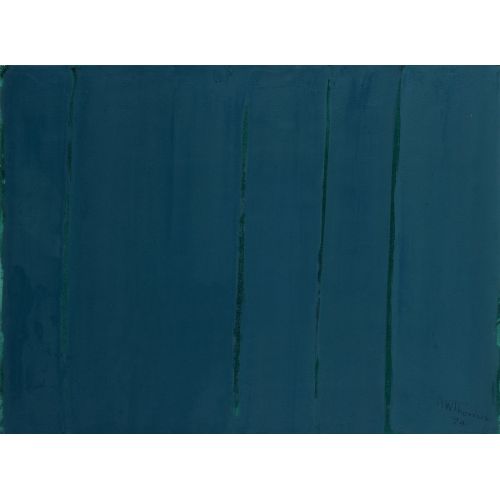
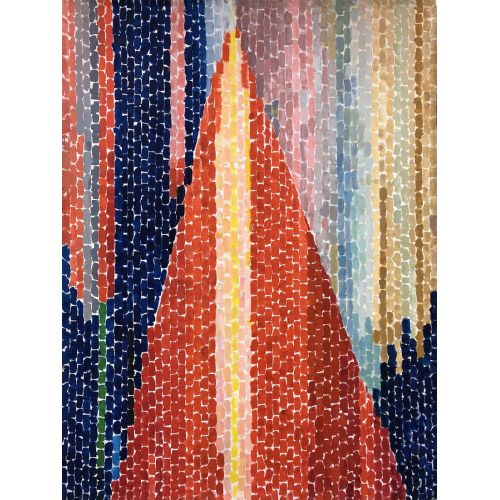
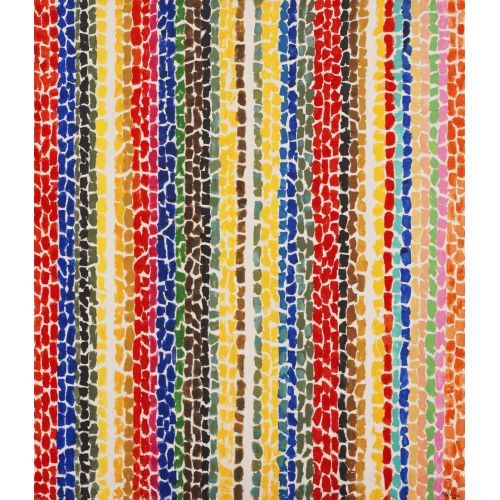
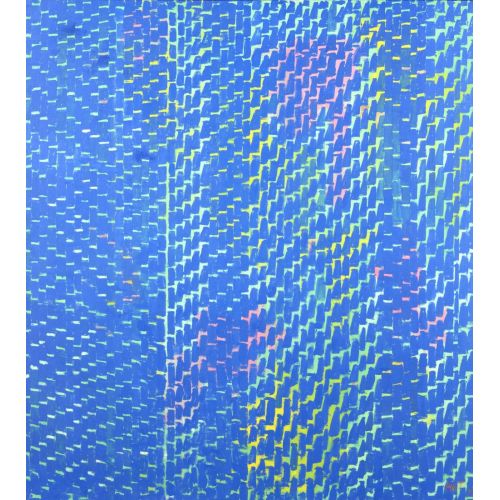
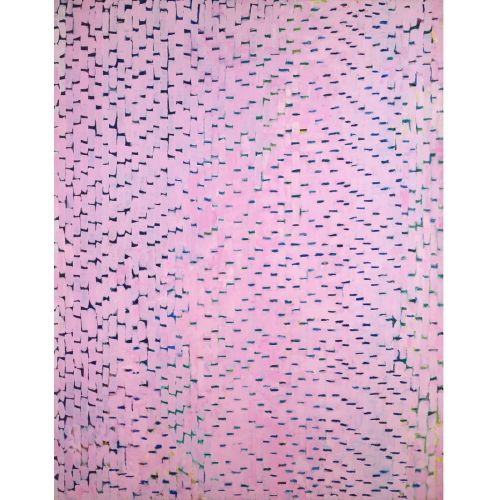
After retiring from teaching in 1960, Thomas devoted herself fully to her art. She began to develop her signature style, characterized by vibrant colors and rhythmic patterns. Her work often drew inspiration from nature, music, and her observations of the world. She became associated with the Washington Color School, a group of artists known for their abstract works emphasizing color and form.
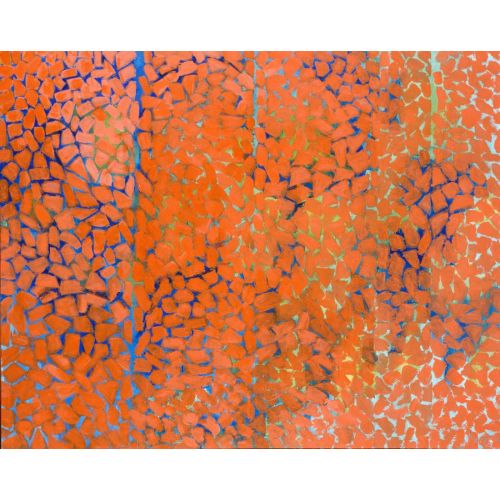
One of her most famous series, "Earth Paintings," created in the late 1960s and early 1970s, features mosaic-like patterns that evoke images of flowers, trees, and the cosmos. "Resurrection," a notable piece from this series, exemplifies her use of bold color and geometric shapes to create a sense of movement and life.
Recognition and Legacy
Thomas's work began to gain recognition in the 1960s and 1970s. In 1972, she became the first African American woman to have a solo exhibition at the Whitney Museum of American Art in New York. This milestone marked a significant achievement in her career and contributed to her legacy as a trailblazer for African American artists and women in the arts.
Throughout her career, Thomas received numerous accolades, including being featured in major exhibitions and receiving awards from various art institutions. Her work is held in the collections of prominent museums, including the Smithsonian American Art Museum, the National Museum of Women in the Arts, and the Baltimore Museum of Art.
Personal Life and Reflections
Alma Thomas remained a lifelong resident of Washington, D.C., where she continued to create art until her passing on February 24, 1978. She was known for her dedication to her community, her teaching, and her art. Thomas often spoke about the importance of creativity and the joy she found in painting, viewing it as a way to capture the beauty of the world around her.
In reflecting on her work, Thomas once said, "Through color, I have sought to concentrate on beauty and happiness, rather than on man's inhumanity to man." This philosophy is evident in the vibrant, uplifting quality of her paintings, which continue to inspire and bring joy to viewers.
Conclusion
Alma Thomas's contributions to the art world are profound and enduring. As a pioneering African American woman in abstract art, she broke barriers and paved the way for future generations of artists. Her unique style, characterized by its vibrant color and abstract patterns, continues to captivate and inspire. Thomas’s legacy is one of creativity, perseverance, and a celebration of the beauty found in the everyday world.