
Romance
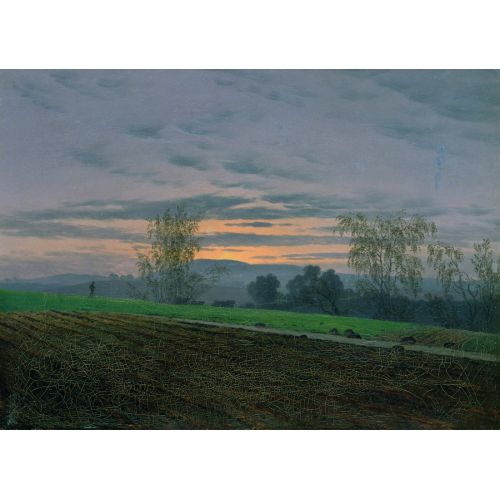
Caspar David Friedrich's "Plowed Field" depicts a subject of a field that has been plowed. The drawing technique used in this work is intricate and detailed, showcasing the artist's skill in capturing every element of the landscape. The colors employed are predominantly earth tones such as browns an..
$10.80
Ex Tax:$9.00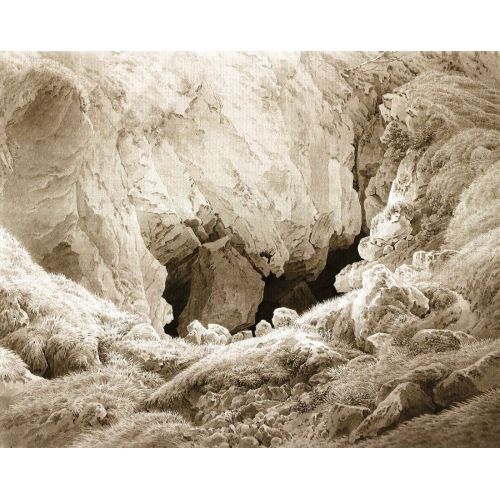
Caspar David Friedrich's artwork "Resin Cave" is a drawing created using graphite on paper. The artist employed subtle shades of gray to depict the cave with intricate details and textures. The subject of this work is a resin cave, showcasing Friedrich's fascination with nature and exploration of m..
$10.80
Ex Tax:$9.00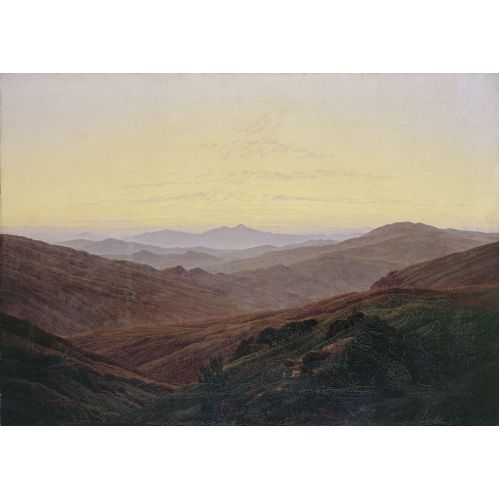
Caspar David Friedrich's artwork titled "Riesengebirge" depicts the subject of the work as a view of the Riesengebirge mountain range. The drawing technique used in this piece is detailed and precise, showcasing Friedrich's attention to realism. The colors employed are mostly muted earth tones, with..
$10.80
Ex Tax:$9.00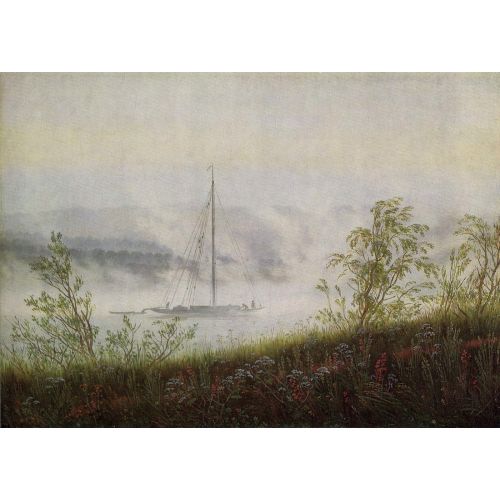
Subject: The artwork depicts a serene river bank covered in dense fog.Drawing Technique: The drawing technique used is highly detailed and precise.Colors: The color palette predominantly consists of muted blues, grays, and whites to convey the misty atmosphere.Type of Paint Used: It is believed that..
$10.80
Ex Tax:$9.00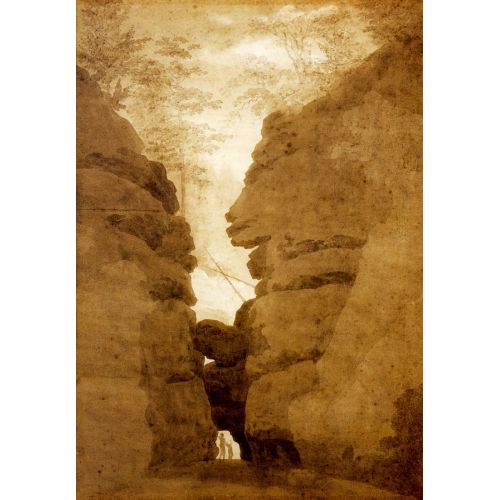
Caspar David Friedrich's artwork titled "Rock Arch in the Uttewalder Grund" depicts a majestic arch formation surrounded by nature. The drawing technique used is meticulous and detailed, showcasing Friedrich's skill as an artist. The colors employed are mainly earthy tones such as brown, green, and ..
$10.80
Ex Tax:$9.00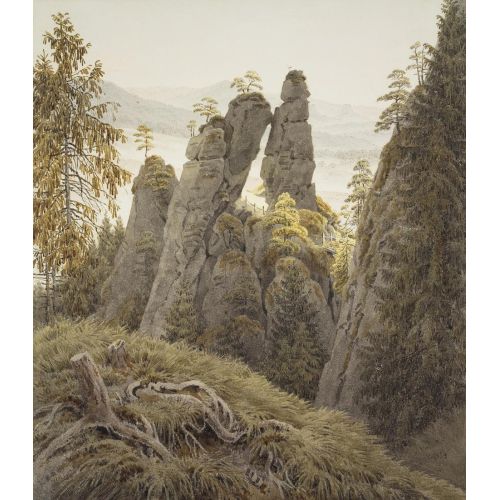
Subject: The artwork depicts a rock gate located in the village of Neuraten.Drawing technique: It was created using pencil or charcoal.Colors: The drawing is likely done in black and white, given its use of pencil or charcoal.Type of paint used: No paint was used; it is a drawing rather than a paint..
$10.80
Ex Tax:$9.00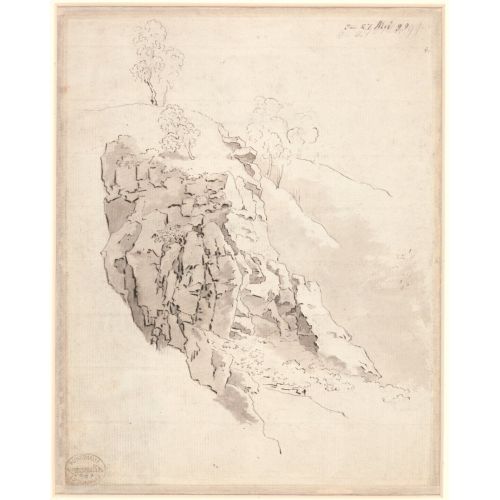
Caspar David Friedrich's "Rock Study" is a depiction of a rocky landscape. The drawing technique used in this work showcases Friedrich's attention to detail and his ability to capture the textures and forms of rocks with precision. The colors employed are mostly earth tones, portraying a sense of tr..
$10.80
Ex Tax:$9.00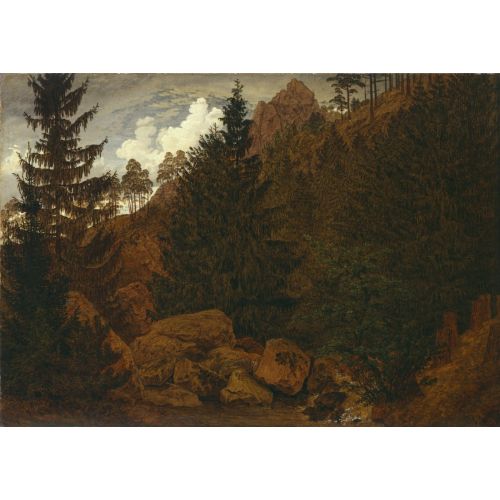
Subject of the work:The subject of this artwork is rocks found in the Harz Mountain region. Drawing technique:Friedrich used a detailed drawing technique to depict the rocky landscape. Colors:The colors used in this painting are predominantly earth tones such as browns and grays, depicting the nat..
$10.80
Ex Tax:$9.00
The artwork titled "Rocky Landscape in the Elbe Sandstone Mountains" by Caspar David Friedrich portrays a subject of a rocky landscape situated within the picturesque setting of the Elbe Sandstone Mountains. The drawing technique used is meticulous and detailed, capturing every intricate feature of ..
$10.80
Ex Tax:$9.00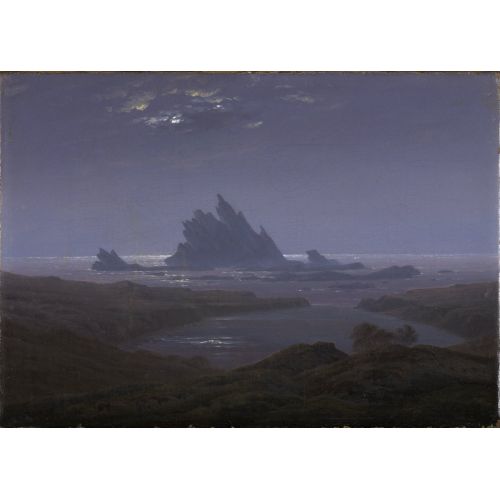
Subject: The subject of this artwork is a rocky reef located on the sea shore. Drawing Technique: Caspar David Friedrich primarily used sketching and drawing techniques to create this piece. Colors: The colors utilized in this work include various shades of blue for depicting the water, earth tones..
$10.80
Ex Tax:$9.00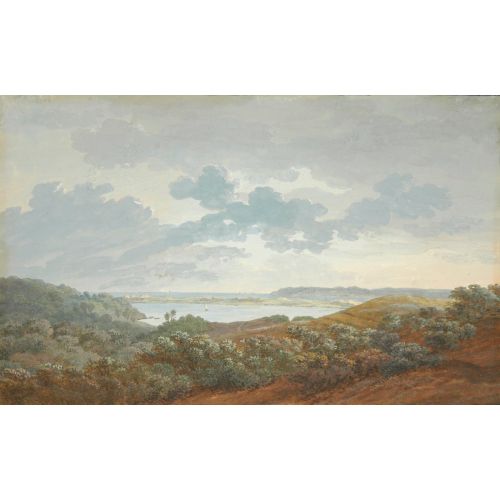
The subject of this work is the landscape of Rügen with a bay. The drawing technique used by Caspar David Friedrich in this artwork is detailed and precise. The colors used are mostly cool tones, reflecting the peaceful atmosphere of the scene. Oil paint was likely used to create this piece. Caspar..
$10.80
Ex Tax:$9.00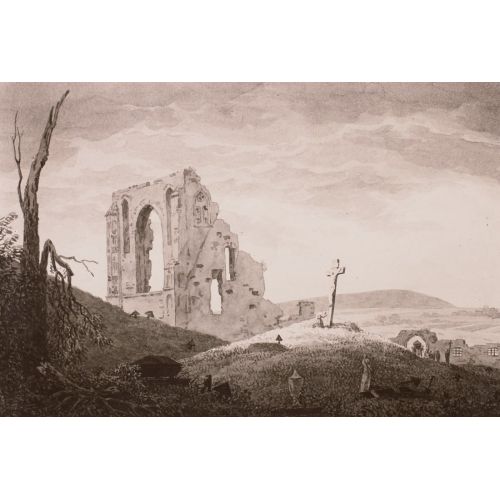
The artwork titled "Ruin Eldena with Funeral" by Caspar David Friedrich depicts a scene featuring the ruins of the Eldena Abbey and a funeral procession. The drawing technique employed in this work is fine lines and precise detailing to capture the intricate features of both the architecture and fig..
$10.80
Ex Tax:$9.00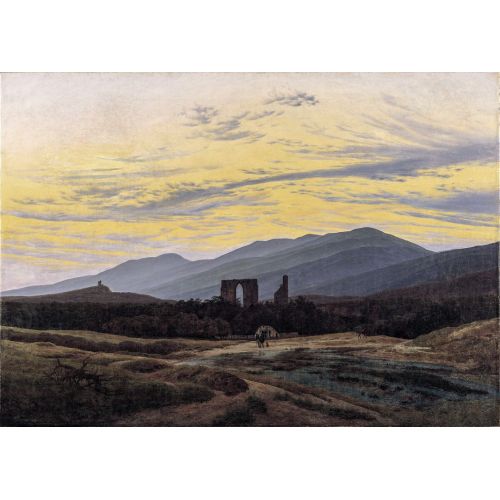
The artwork "Ruins in the Giant Mountains" by Caspar David Friedrich depicts a scene of ancient ruins situated amidst the towering mountains. The drawing technique used in this work is meticulous and precise, showcasing Friedrich's attention to detail. The colors utilized in the painting are predomi..
$10.80
Ex Tax:$9.00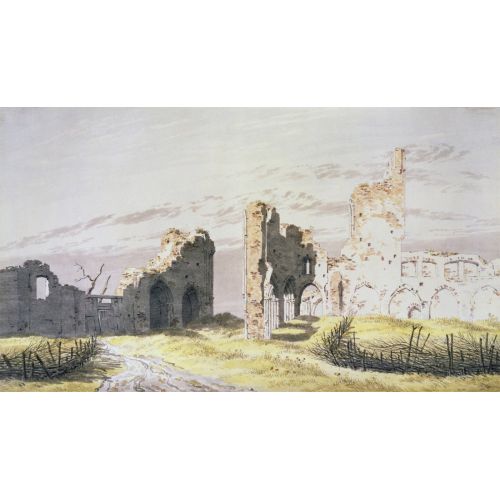
Caspar David Friedrich's painting "Ruins of the Monastery Eldena" depicts a landscape featuring the remains of an old monastery. The drawing technique used in this artwork is precise and detailed, showcasing Friedrich's attention to architectural accuracy. The colors employed in this piece are pred..
$10.80
Ex Tax:$9.00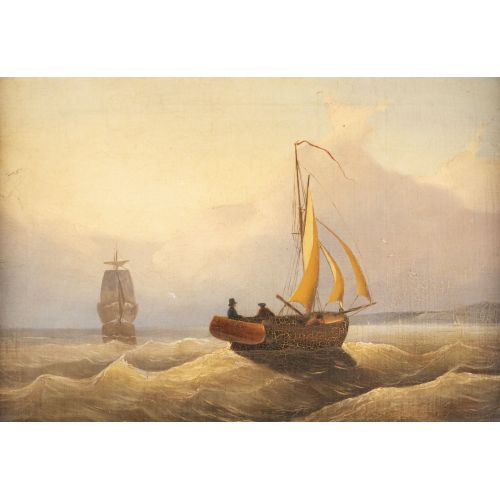
In this artwork by Caspar David Friedrich titled "Sailboats on the Open Sea at Sunset," the subject of the work is sailboats floating in calm waters during sunset. The drawing technique employed by Friedrich here is primarily focused on capturing realistic and detailed representations of nature. Th..
$10.80
Ex Tax:$9.00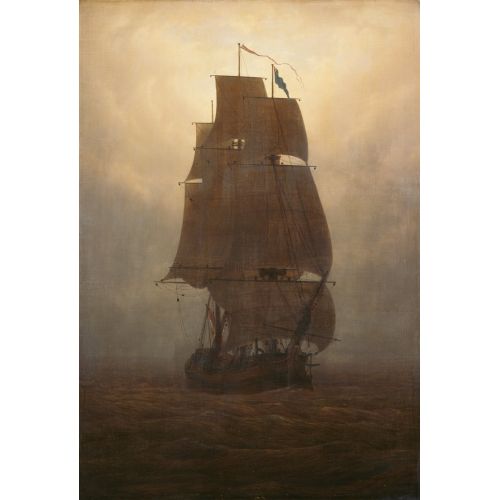
Caspar David Friedrich's painting "Sailing Ship" depicts a solitary ship floating on rough waters. The subject of the work is the sailing ship itself. The drawing technique employed by Friedrich in this artwork is primarily fine brushwork with detailed attention to capturing the texture and movemen..
$10.80
Ex Tax:$9.00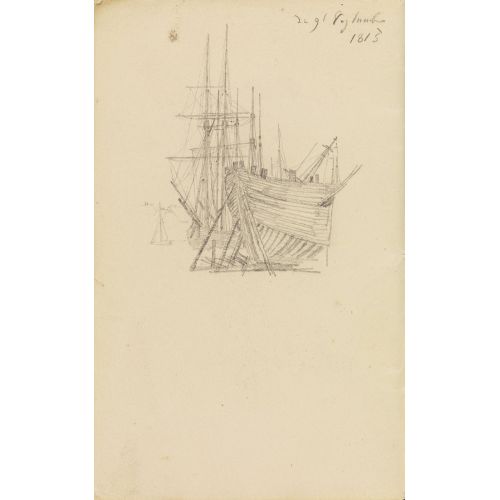
Caspar David Friedrich's artwork "Sailing Ships in the Port" depicts a scene of sailing ships docked at a port. The drawing technique used by Friedrich is detailed and precise, showcasing his mastery of realism. The colors employed are primarily muted earth tones, creating a somber atmosphere. The ..
$10.80
Ex Tax:$9.00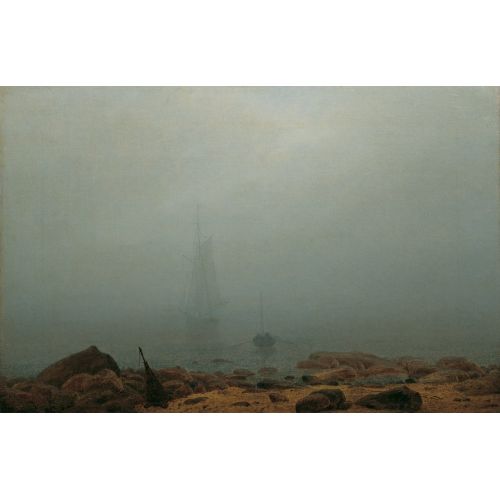
The subject of this work is a sea beach surrounded by dense fog. The drawing technique used by Caspar David Friedrich in this piece is intricate and detailed, showcasing his skill as an artist. The colors employed are muted and subdued, with shades of gray dominating the painting. This enhances the..
$10.80
Ex Tax:$9.00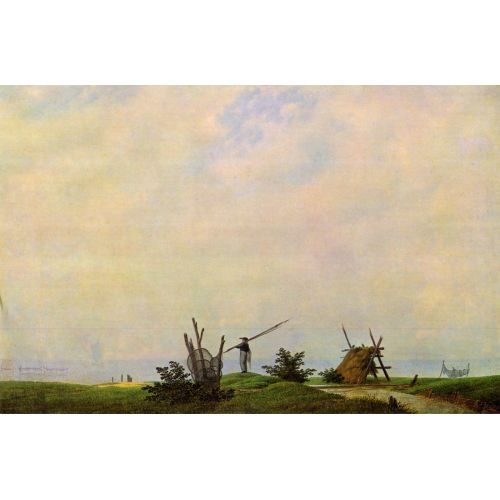
Caspar David Friedrich's artwork, "Sea Beach with Fisherman," depicts a serene scene of a beach with a lone fisherman. The drawing technique used in this piece is precise and detailed, capturing the intricate elements of nature and human figures. The colors utilized are subdued and muted, evoking a ..
$10.80
Ex Tax:$9.00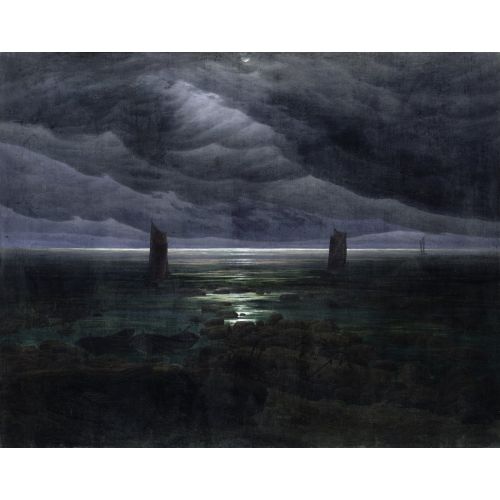
Caspar David Friedrich's artwork titled "Sea Shore in Moonlight" depicts a coastal scene illuminated by the moon. The drawing technique employed by Friedrich captures the ethereal atmosphere of the night with delicate lines and shading. The colors used are predominantly cool tones such as blues and ..
$10.80
Ex Tax:$9.00