
Romance
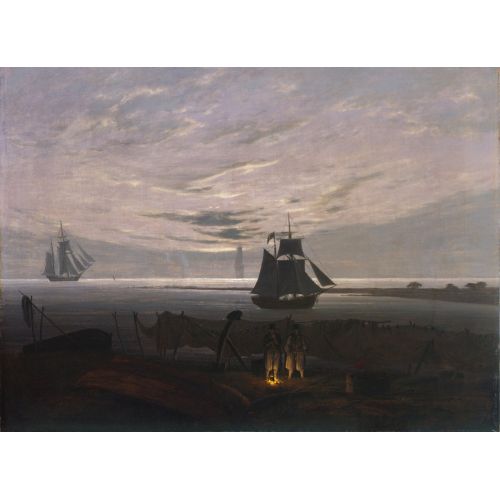
Caspar David Friedrich's painting titled "Evening on the Baltic Sea" depicts a serene seascape during twilight. The subject of the work is a tranquil coastal scene with calm waters and distant ships. The drawing technique employed by Friedrich in this artwork is characterized by meticulous attentio..
$10.80
Ex Tax:$9.00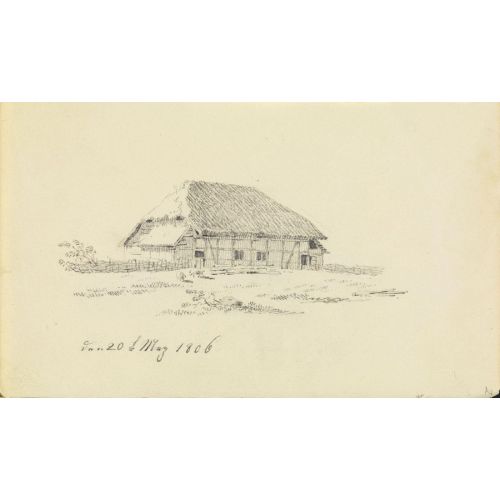
Caspar David Friedrich's artwork "Farmhouse with Thatched Roof" depicts a rural scene featuring a farmhouse covered in thatched roof. The drawing technique used by the artist is precise and detailed, capturing the architectural elements of the building with great accuracy. The colors employed in th..
$10.80
Ex Tax:$9.00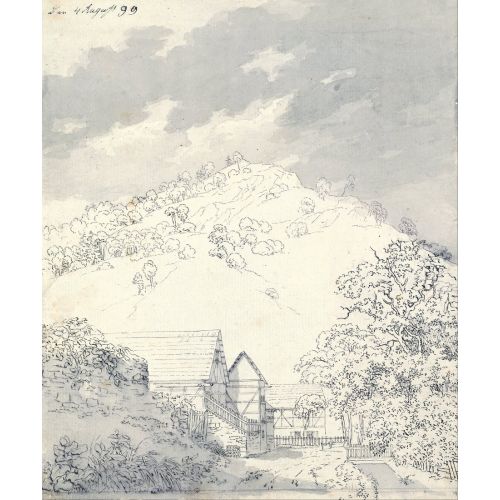
The subject of the work is farmhouses situated on a hillside. The drawing technique used in this artwork is realistic and detailed. The colors are muted and serene, reflecting Friedrich's typical use of subdued palettes in his paintings. The type of paint used for this piece is oil paint. This part..
$10.80
Ex Tax:$9.00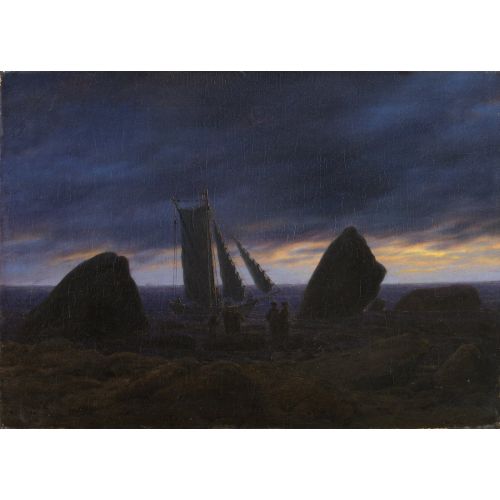
Subject: The subject of this artwork is a fishing boat positioned between two large rocks on a beach along the Baltic Sea. Drawing Technique: This work utilizes detailed drawing techniques to depict realistic and intricate forms, particularly in capturing the textures of the rocks and depicting the..
$10.80
Ex Tax:$9.00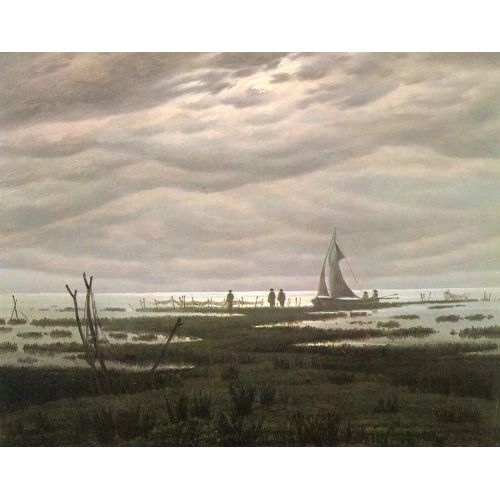
Caspar David Friedrich's "Flat Country Shank at Bay of Greifswald" is a drawing that depicts a flat rural landscape with the bay in the background. The artist used graphite for this work, creating shades and textures through careful shading techniques. In terms of colors, as it is a graphite drawin..
$10.80
Ex Tax:$9.00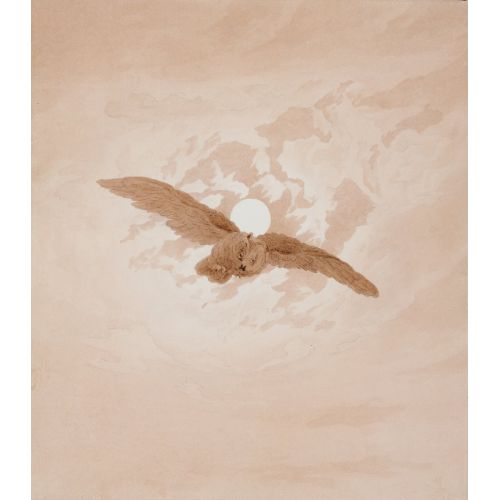
The subject of this work is a flying owl set against the backdrop of a nighttime sky illuminated by the moon. The drawing technique used in creating this artwork is intricate and detailed, capturing both the delicate feathers of the owl and the luminosity of the lunar sky. Colors play an essential ..
$10.80
Ex Tax:$9.00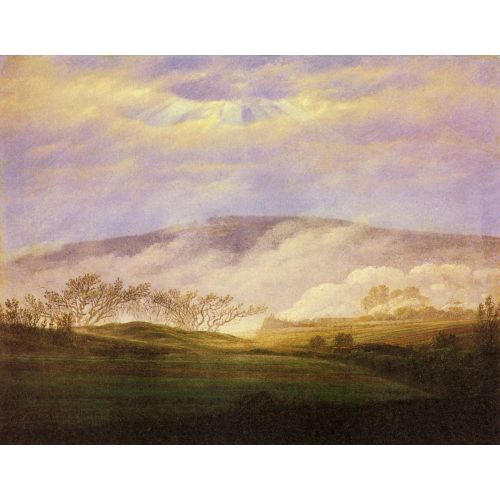
The subject of this work is a landscape scene depicting fog in the Elbe Valley. The drawing technique used by Caspar David Friedrich for this artwork is detailed and precise. He employed various shades of gray to create a mysterious and atmospheric effect.Friedrich used oil paint on canvas to create..
$10.80
Ex Tax:$9.00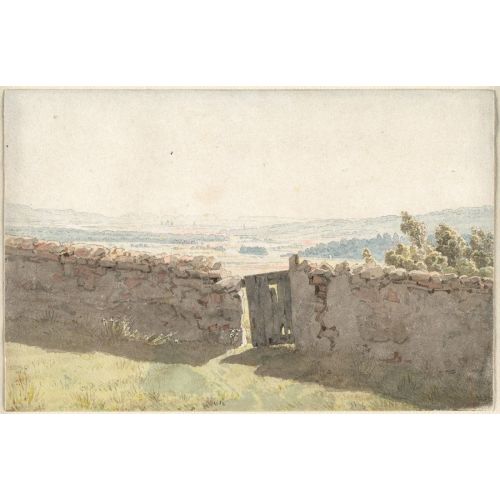
The subject of this artwork is a gate within a garden wall. The drawing technique used by Caspar David Friedrich was precise and detailed, showcasing his mastery in capturing intricate architectural elements. The colors utilized are primarily earthy tones with hints of greens for foliage. Friedrich ..
$10.80
Ex Tax:$9.00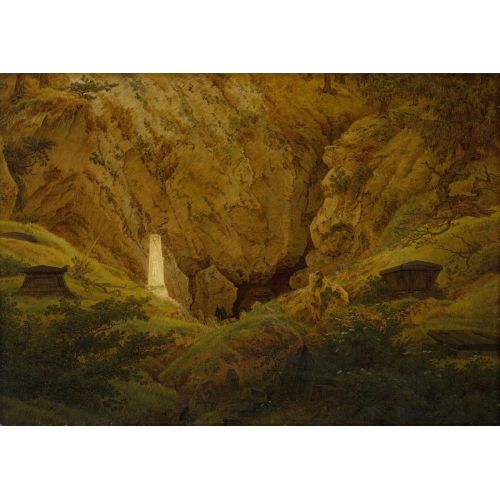
The subject of the work is "Graves of Ancient Heroes" and it depicts a landscape with ancient tombstones scattered amidst nature. The drawing technique used by Caspar David Friedrich in this artwork is realistic. In terms of colors, Friedrich employed a subdued color palette dominated by earthy ton..
$10.80
Ex Tax:$9.00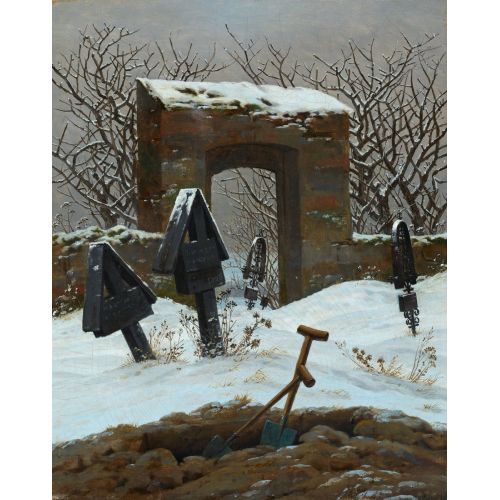
Subject: The artwork depicts a graveyard covered in snow.Drawing Technique: The artist used detailed and precise drawing techniques to capture the scene.Colors: Predominantly white for the snowy landscape with hints of gray and black for the gravestones and trees.Type of Paint Used: Oil paint was li..
$10.80
Ex Tax:$9.00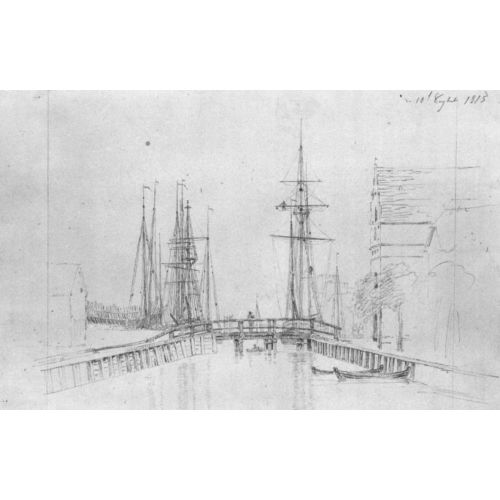
The subject of this artwork is the harbor of Greifswald, featuring a bridge constructed on stone pillars. The drawing technique used by Caspar David Friedrich in this piece is detailed and precise, capturing the architectural elements with great accuracy. In terms of colors, Friedrich employed most..
$10.80
Ex Tax:$9.00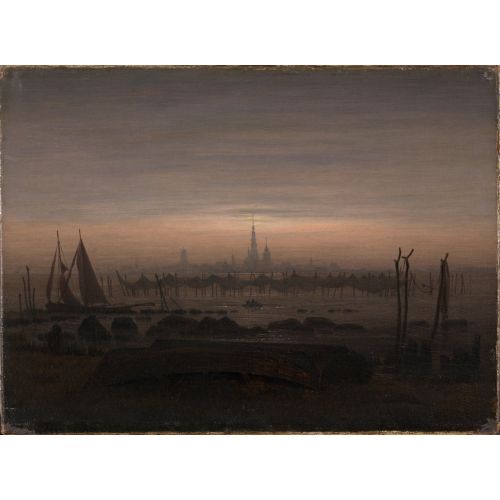
The subject of this work is "Greifswald in Moonlight." The drawing technique used by Caspar David Friedrich is detailed and precise. The colors are predominantly dark with a focus on blues and grays to create a nighttime atmosphere. It is an oil painting done on canvas. Caspar David Friedrich's art..
$10.80
Ex Tax:$9.00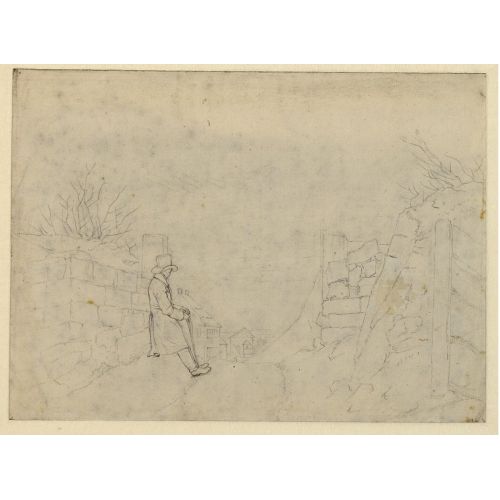
Subject: The artwork depicts a group of hikers standing on a hill overlooking a cityscape.Drawing Technique: The image is created using graphite pencil and ink.Colors: The drawing primarily consists of shades of gray and black due to the use of graphite and ink for shading.Type of paint used: No pai..
$10.80
Ex Tax:$9.00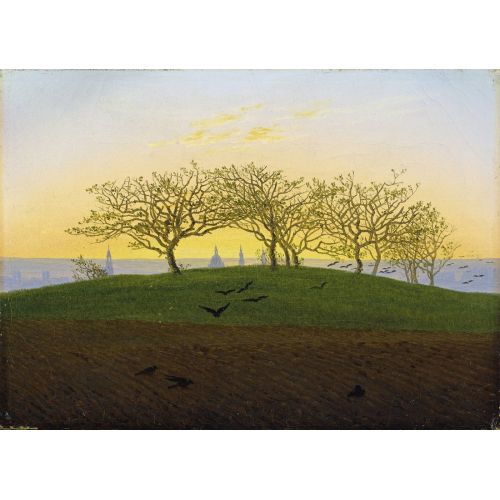
The subject of this artwork is a hill and ploughed field located near Dresden. The drawing technique used by Caspar David Friedrich in this piece is detailed and precise, capturing the landscape with great accuracy. In terms of colors, Friedrich employs muted tones to create a sense of tranquility ..
$10.80
Ex Tax:$9.00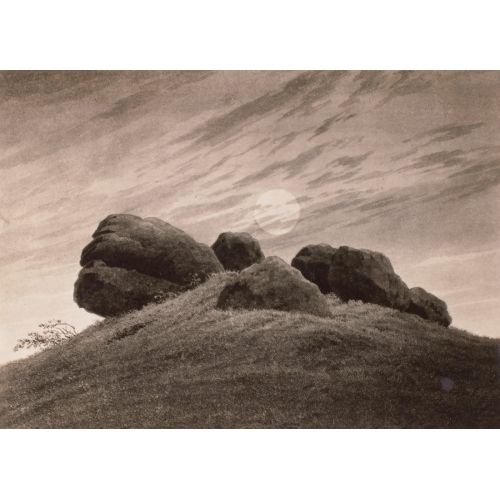
Subject: This artwork depicts a hunebed (prehistoric megalithic tomb) against the backdrop of a setting sun and boulders illuminated by a full moon.Drawing technique: The artist used intricate sketching techniques to create detailed lines and shading in this drawing.Colors: The colors employed inclu..
$10.80
Ex Tax:$9.00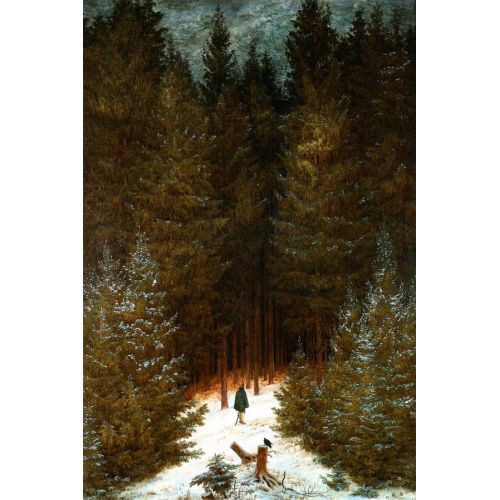
Caspar David Friedrich's "Hunter in the Forest" is a painting that depicts a solitary hunter standing amidst dense foliage. The drawing technique employed by Friedrich captures intricate details of the forest landscape with great precision. The colors used are predominantly earthy tones, mirroring t..
$10.80
Ex Tax:$9.00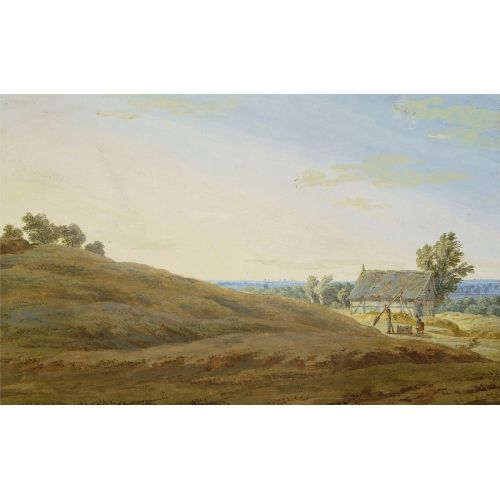
Subject of the work: A hut with a well located on the island of Rügen.Drawing Technique: Not specified.Colors: Not specified.Type of paint used: Not specified.Artwork meaning and other specific information about the work, if any:StyleCaspar David Friedrich was part of the Romanticism art movement. H..
$10.80
Ex Tax:$9.00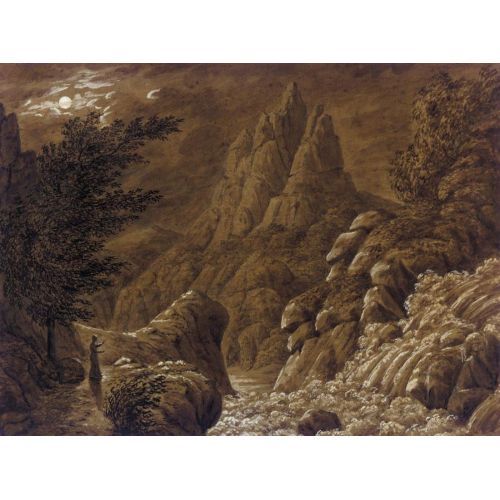
The subject of the work is an idealized landscape featuring a waterfall. The drawing technique used in this artwork is likely to be detailed and precise, as Friedrich was known for his meticulous approach to creating landscapes. In terms of colors, the painting may feature subdued and natural tones ..
$10.80
Ex Tax:$9.00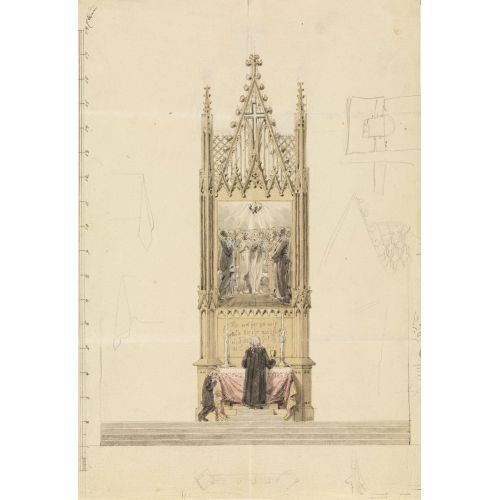
In this artwork, Caspar David Friedrich depicts a scene with a person standing in front of an altar. The drawing technique used is precise and detailed, showcasing the artist's skill in capturing fine lines and intricate details. The colors chosen for this piece are predominantly dark tones, emphasi..
$10.80
Ex Tax:$9.00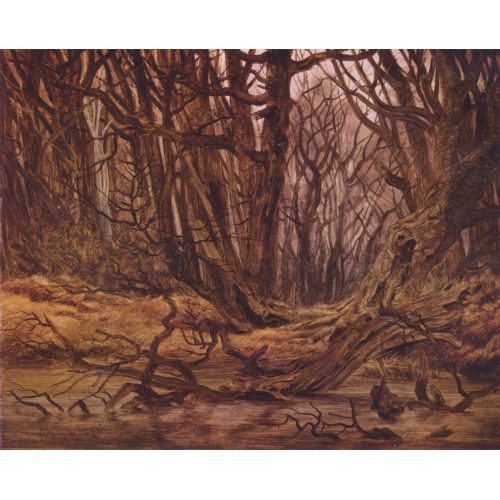
The subject of this artwork is a forest scene during late autumn. The drawing technique used by Caspar David Friedrich in this piece is detailed and meticulous. The colors are predominantly earthy tones with hints of orange and yellow to represent the changing foliage of the season. It was created u..
$10.80
Ex Tax:$9.00