
Romance
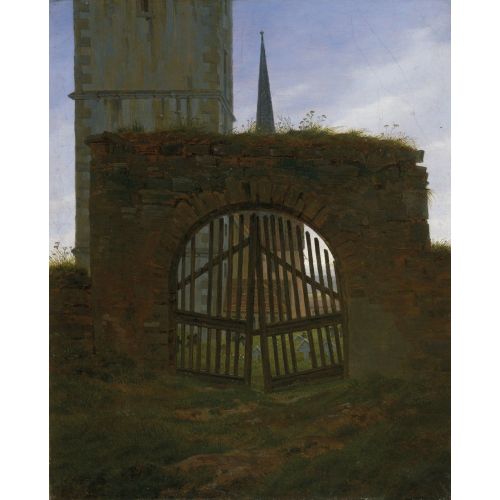
Caspar David Friedrich's artwork titled "Cemetery Gate" portrays the subject of a cemetery entrance gate. The drawing technique used in this work is detailed and precise, showcasing Friedrich's attention to capturing intricate architectural elements. The colors employed are predominantly dark and so..
$10.80
Ex Tax:$9.00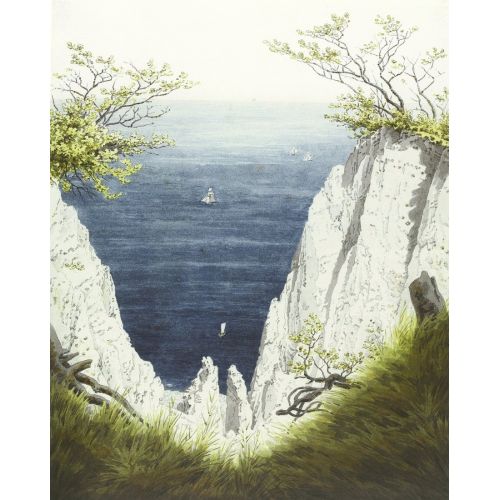
The subject of the work is Caspar David Friedrich's depiction of the chalk cliffs at Ruegen. The drawing technique used in this artwork is detailed and precise, capturing the rocky textures and contours of the cliffs. The colors are predominantly natural shades with hints of blues and greys to depic..
$10.80
Ex Tax:$9.00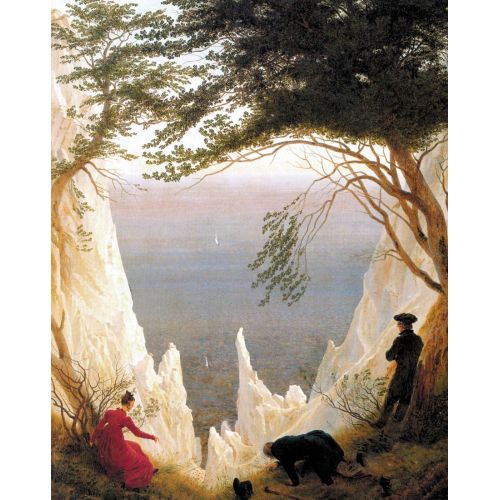
Caspar David Friedrich's "Chalk Cliffs on Rügen" is a masterpiece depicting the stunning cliffs located in the island of Rügen. The drawing technique used in this artwork is meticulous and detailed, capturing every intricate detail of the natural landscape. The colors utilized by Friedrich are most..
$10.80
Ex Tax:$9.00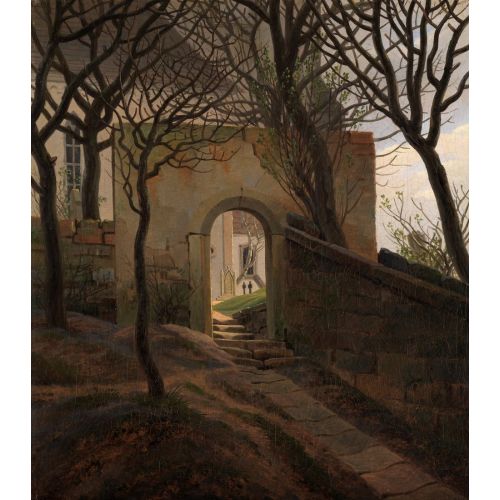
Caspar David Friedrich's artwork titled "Churchyard Gate" depicts a solemn scene of a cemetery gate surrounded by trees. The drawing technique used in this work is meticulous and precise, with careful attention to detail. The colors employed are mainly earthy tones such as browns and greens, which c..
$10.80
Ex Tax:$9.00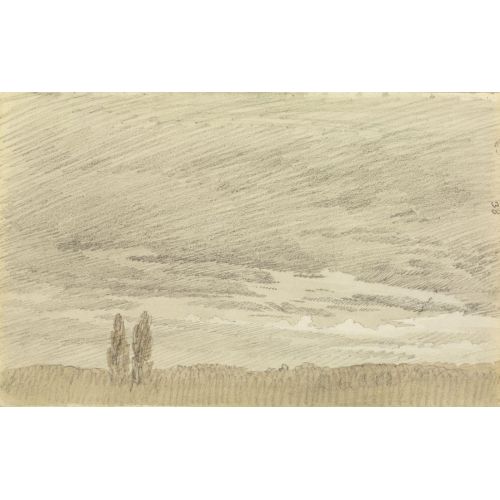
Caspar David Friedrich's "Cloud Study" is a work of art that showcases his fascination with nature and the sublime. The drawing technique used in this piece is delicate yet precise, capturing the ethereal quality of clouds in detail. The colors employed by Friedrich are muted and atmospheric, reflec..
$10.80
Ex Tax:$9.00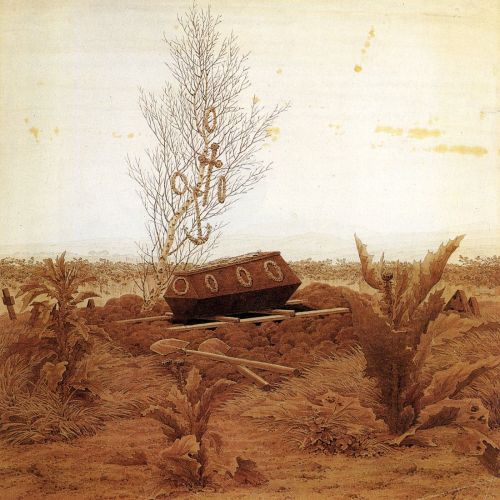
Subject: The artwork depicts a coffin and grave in a somber setting.Drawing Technique: Friedrich used detailed drawing techniques to capture the intricate details of the scene.Colors: The color palette is mainly dark and muted tones, conveying a sense of mourning and melancholy.Type of Paint Used: I..
$10.80
Ex Tax:$9.00
Subject: The artwork depicts a cottage surrounded by snow-covered landscape.Drawing technique: This artwork is a painting created using oil on canvas.Colors: The colors used in this painting are predominantly white for the snow and various shades of brown for the cottage and trees.Type of paint used..
$10.80
Ex Tax:$9.00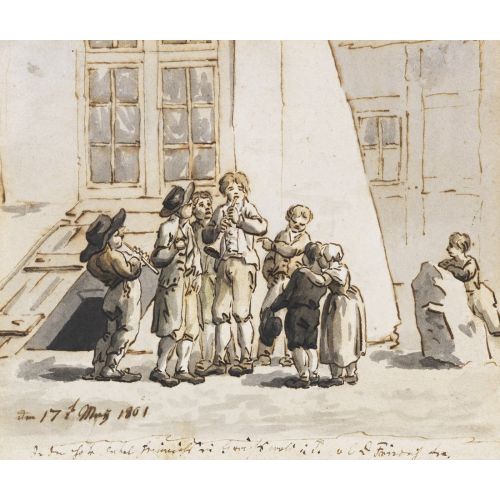
Caspar David Friedrich's "Court Musicians in Greifswald" is a drawing that depicts court musicians performing in the city of Greifswald. The artwork was created using a pencil or charcoal as the drawing technique. In terms of colors, this work is primarily black and white due to the use of graphite..
$10.80
Ex Tax:$9.00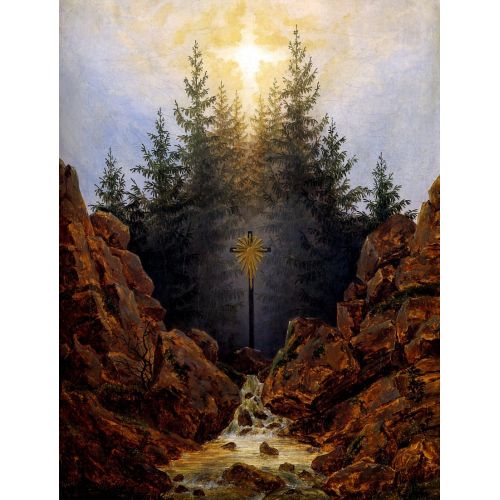
Subject: The artwork depicts a cross located atop a rocky mountain peak with dramatic clouds filling the sky.Drawing Technique: The drawing technique used is meticulous and highly detailed.Colors: The colors employed are mostly dark and muted tones, representing the solemnity of nature.Type of Paint..
$10.80
Ex Tax:$9.00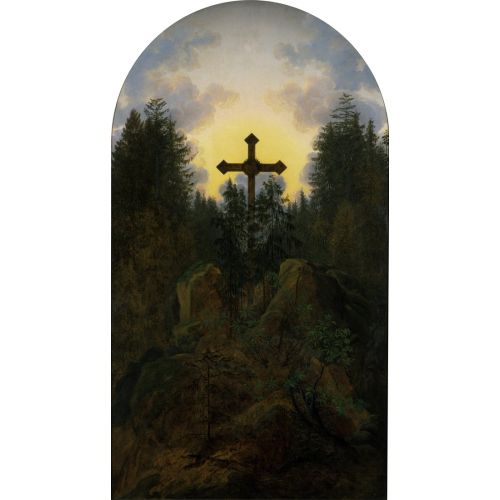
The artwork "Cross in the Mountains 2" by Caspar David Friedrich depicts a landscape scene with a cross placed atop a mountain. The drawing technique used is detailed and precise, showcasing Friedrich's mastery of capturing realistic landscapes. In terms of colors, this artwork mainly consists of ea..
$10.80
Ex Tax:$9.00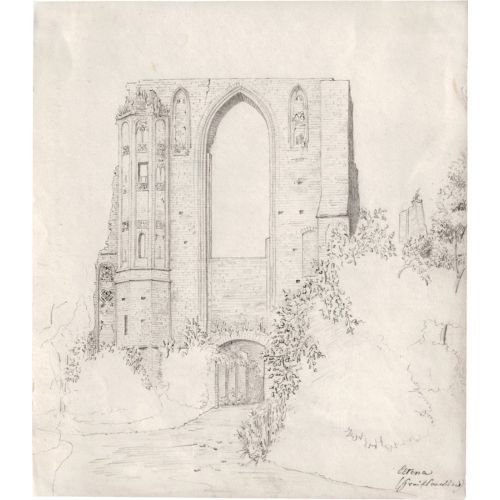
This artwork by Caspar David Friedrich depicts the "Klosterruine Eldena" (Eldena Monastery) near Greifswald. It is created using a drawing technique and features various colors rendered in oil paint. The painting showcases a ruined monastery surrounded by natural landscapes, with strong emphasis on..
$10.80
Ex Tax:$9.00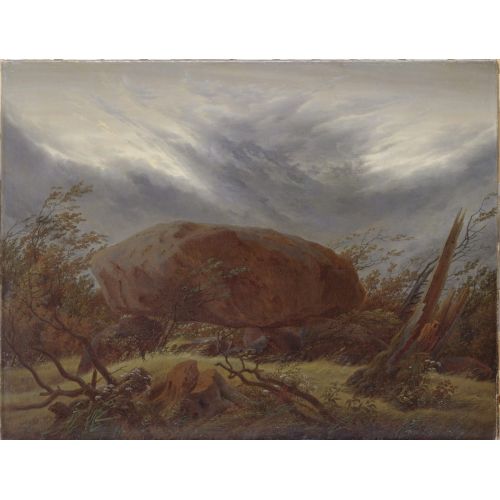
Caspar David Friedrich's artwork "Dolmen in the Fall" depicts a dolmen - a type of megalithic tomb - during autumn season. The drawing technique used by Friedrich is precise and detailed, capturing the intricate structure of the dolmen. The colors employed are mainly earthy tones, reflecting the fal..
$10.80
Ex Tax:$9.00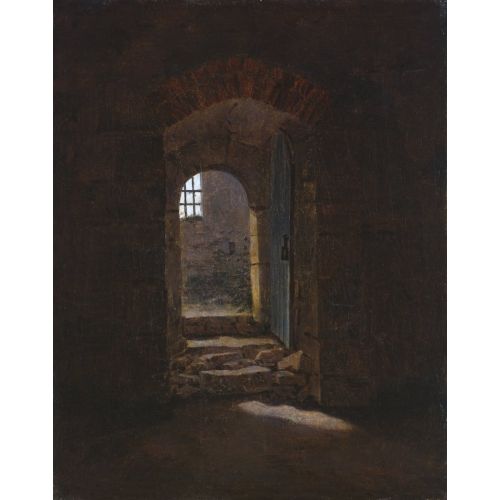
Caspar David Friedrich's artwork, "Doorway in Meissen," depicts a subject of a doorway located in the town of Meissen. The drawing technique used by the artist is detailed and precise, capturing the intricate architectural elements of the door. The colors employed are primarily muted and subdued to ..
$10.80
Ex Tax:$9.00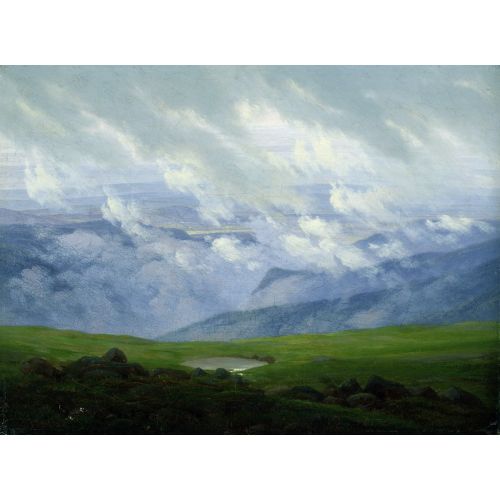
The subject of this work is the representation of drifting clouds in a landscape scene. The drawing technique used by Caspar David Friedrich creates intricate details and realistic textures.In terms of colors, Friedrich primarily uses subdued earth tones such as browns, grays, and greens to create a..
$10.80
Ex Tax:$9.00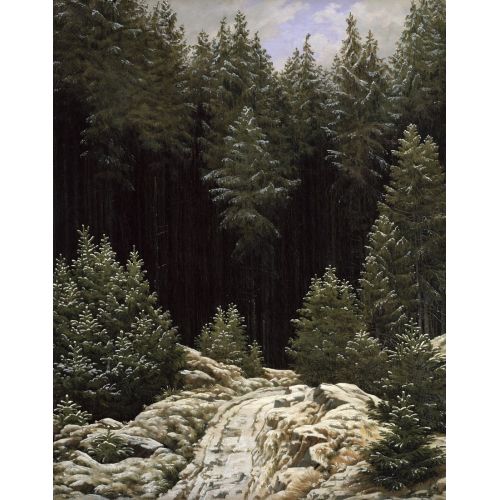
Subject: The subject of the work is early snowfall in a natural landscape.Drawing Technique: The drawing technique used is detailed and precise, showcasing Friedrich's attention to detail and his ability to capture realistic landscapes.Colors: The colors used in this artwork are mainly shades of whi..
$10.80
Ex Tax:$9.00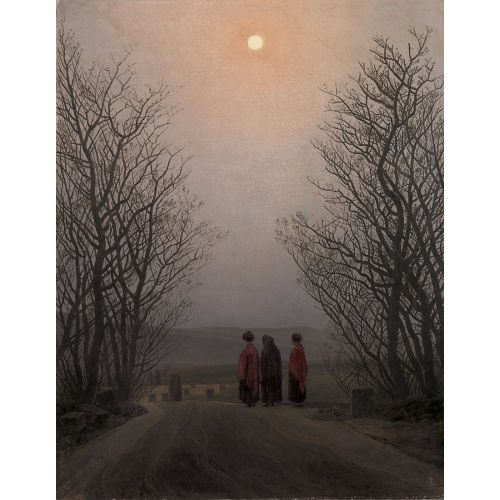
Subject of the work: Easter morning sceneDrawing technique: Detailed and precise line work with shadingColors used: Soft pastel colors with a predominance of blues, greens, and yellows to create a serene atmosphere.Type of paint used: Oil paint on canvas.Caspar David Friedrich's "Easter Morning" por..
$10.80
Ex Tax:$9.00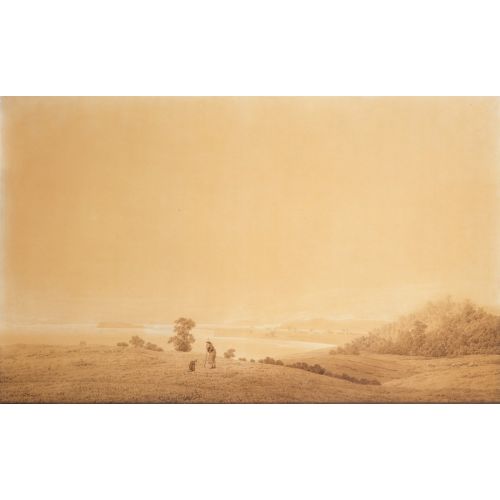
The subject of this work is the eastern coast of Rügen Island with a shepherd. The drawing technique used by Caspar David Friedrich in this artwork is sketching and detailing. Colors employed in the painting include various shades of blue for the sky and ocean, green for trees and grassy areas, bro..
$10.80
Ex Tax:$9.00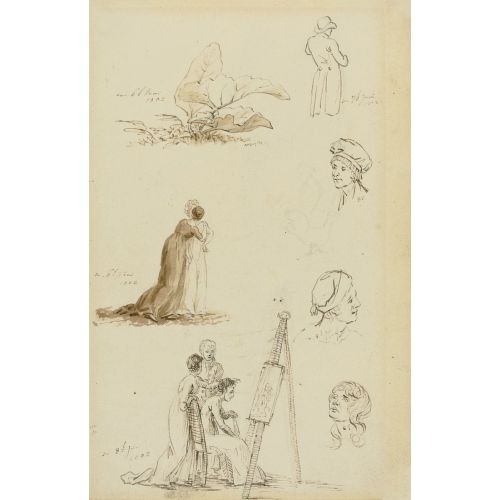
Caspar David Friedrich's artwork "Etude de têtes, figures et feuillages" depicts various heads, figures, and foliage. The drawing technique used in this work is not specified. Colors utilized are also unspecified. Unfortunately, the specific type of paint or painting medium employed in this piece i..
$10.80
Ex Tax:$9.00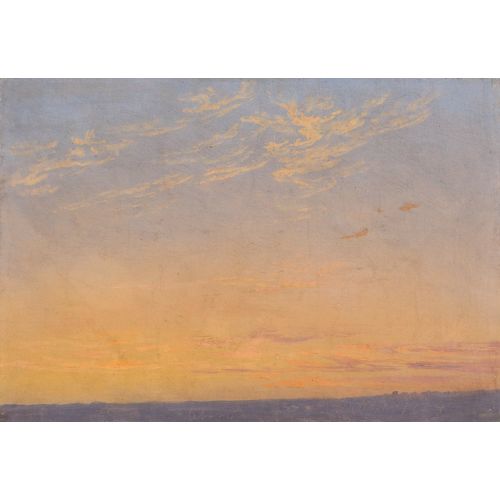
Caspar David Friedrich's painting "Evening Landscape" depicts a tranquil scene with the setting sun casting its warm glow upon a serene landscape. The drawing technique used by the artist is meticulous and detailed, capturing the intricate elements of nature in a realistic manner. The colors employ..
$10.80
Ex Tax:$9.00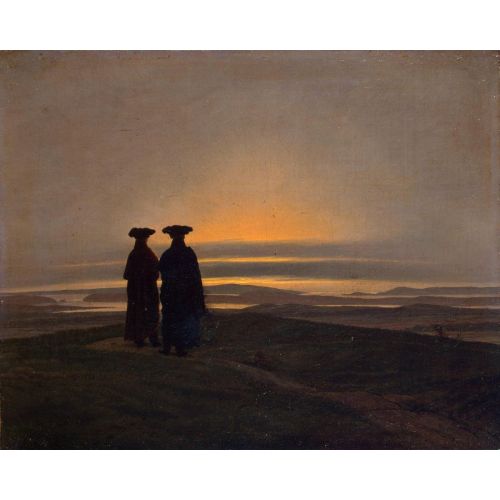
The subject of the work is an evening landscape featuring two men. The drawing technique used in this artwork is primarily sketching and shading. The colors employed are mainly dark and muted tones to convey a sense of melancholy and solitude. Caspar David Friedrich often utilized earthy hues such a..
$10.80
Ex Tax:$9.00