Auguste Rodin
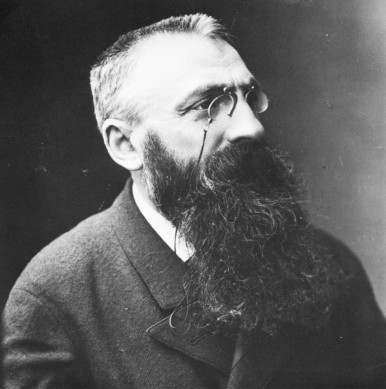 Auguste Rodin
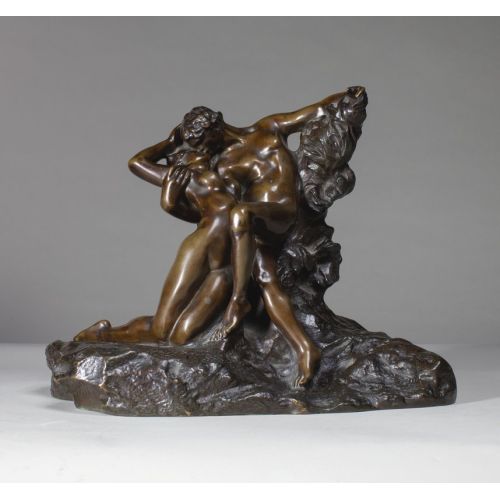
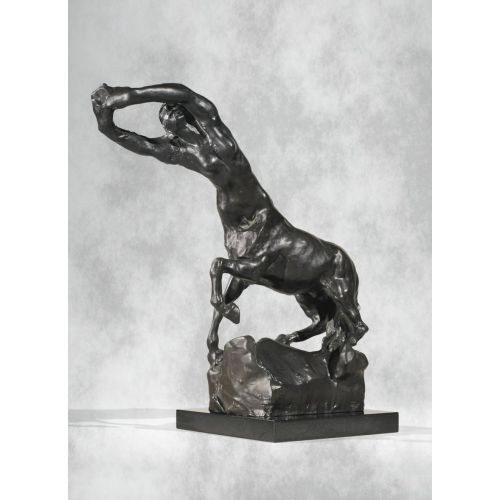
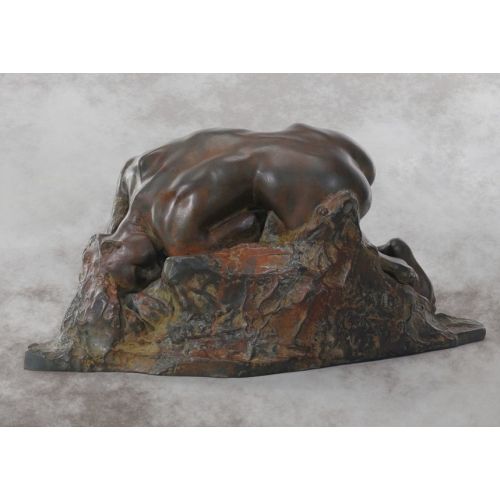
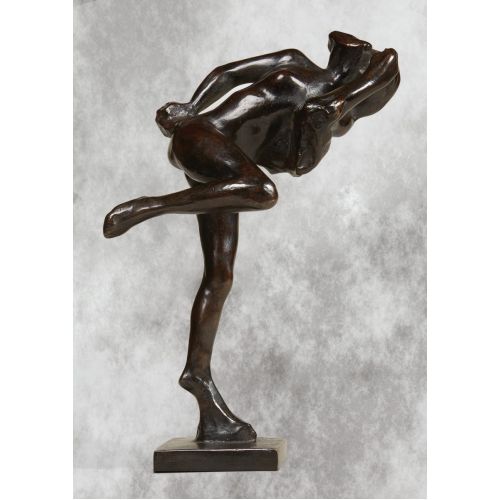
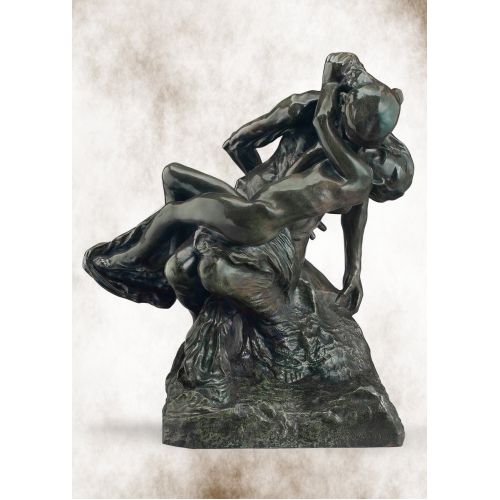
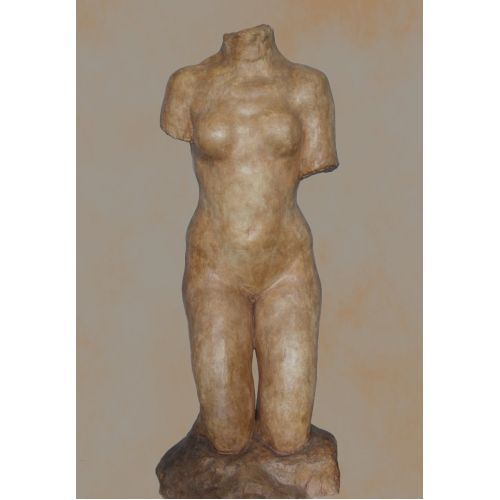
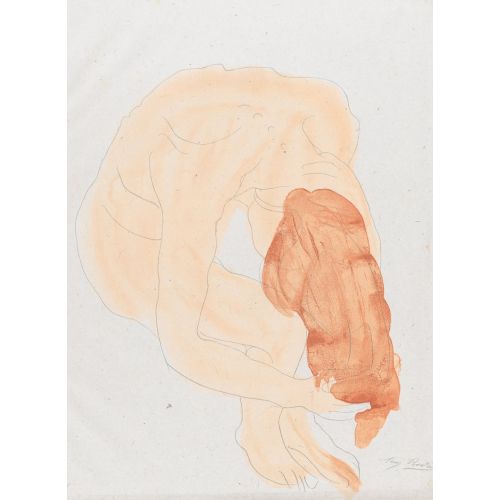
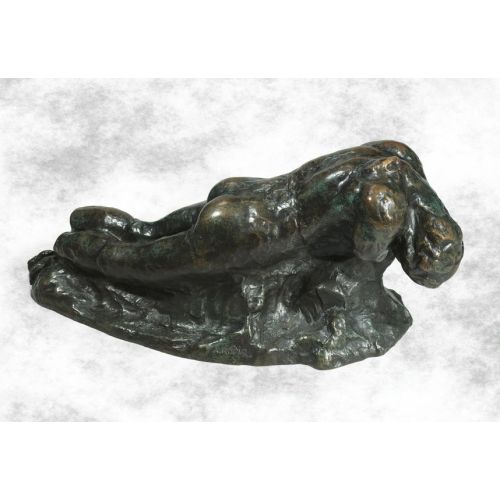
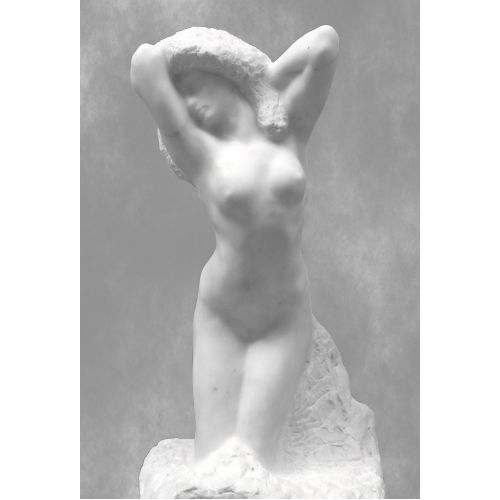
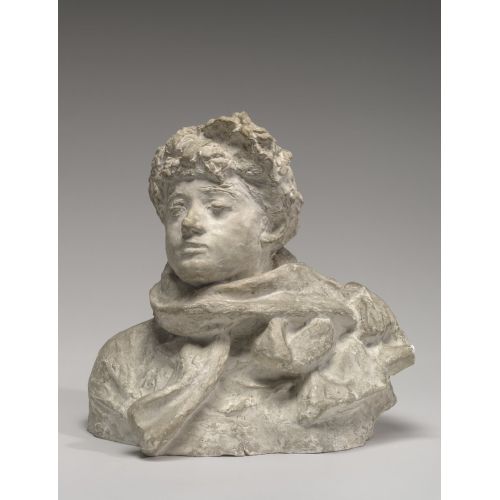
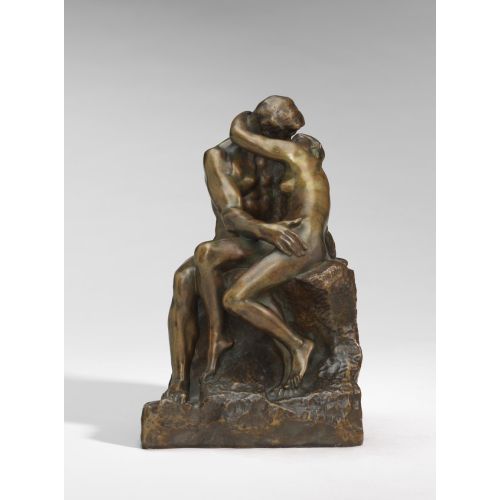
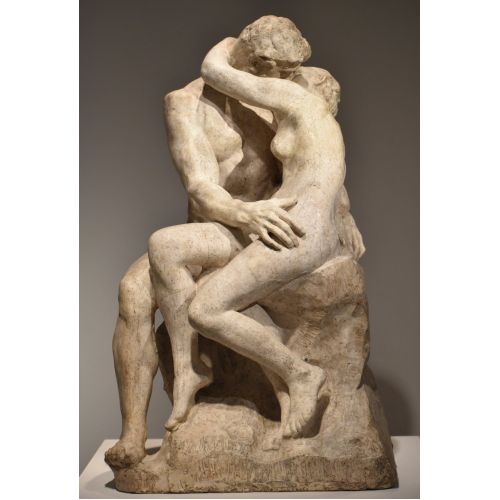
Auguste Rodin, literally François-Auguste-René Rodin, (born 12 November 1840, Paris, France - died 17 November 1917, Meudon), French sculptor with majestic bronze and marble figures, is considered by some critics the greatest portraitist acceptable. The Gates of Hell, commissioned for the future Decorative Arts Museum in Paris in 1880, was left unfinished when he died, but still resulted in two of Rodin's most famous paintings: The Thinker and The Kiss. His portraits include monumental figures of Victor Hugo and Honoré de Balzac. Rodin's enduring popularity is evidenced by the large number of posthumous molds of his sculptures that continue to be made.
Early Life and Work
Rodin was born in a poor family. She entered a drawing school where she learned drawing and modeling at age 13, and attempted to enter the École des Beaux-Arts at age 17, but failed competitive exams three times. The following year (1858) he decided to earn his living as a decorative stonemason. Traumatized by the death of her sister Marie in 1862, she considered entering the church; In 1864, however, the young sculptor met Rose Beuret, a tailor who became his life partner, but he did not marry her until a few weeks before her death in February 1917.
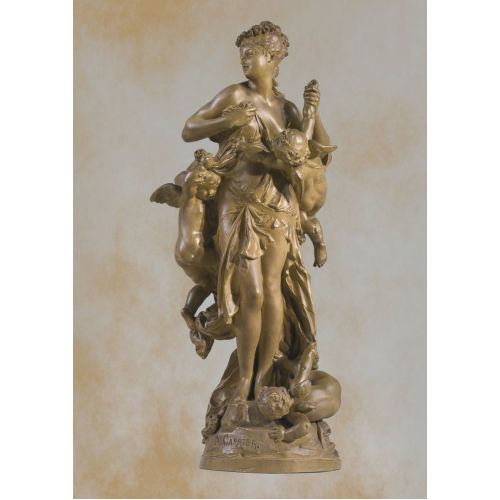
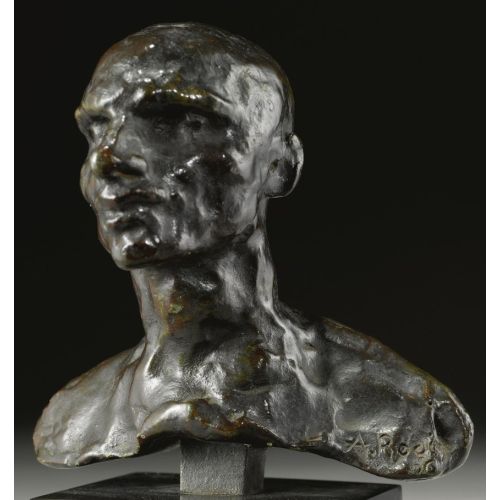
Rodin began working with sculptor Albert Carrier-Belleuse when his first submission to the official Salon exhibition The Man with the Broken Nose was rejected in 1864. His first independent work also included several portraits of Beuret. In 1871 he went to work with Carrier-Belleuse on the decorations of public monuments in Brussels. He was dismissed by Carrier-Belleuse, collaborated in the application of decorative bronzes, and joined him in Beuret, Brussels.
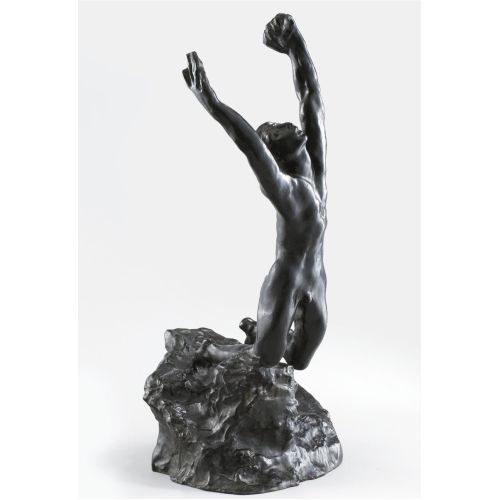
In 1875, at the age of 35, Rodin had not yet developed a personally expressive style due to the prints of decorative work. Italy gave him the shock that set his genius in motion. He visited Genoa, Florence, Rome, Naples and Venice before returning to Brussels. The inspiration of Michelangelo and Donatello freed him from the academic experience of working. Under these influences, he shaped his first original work, the bronze Conquered, which is the painful expression of a defeated energy yearning for rebirth. It caused scandals in Brussels art circles and at the Paris Salon, where it was exhibited under the title The Age of Bronze in 1877. The realism of the work contrasted so sharply with the sculptures of Rodin's contemporaries that Rodin was accused of creating his mold on a living person
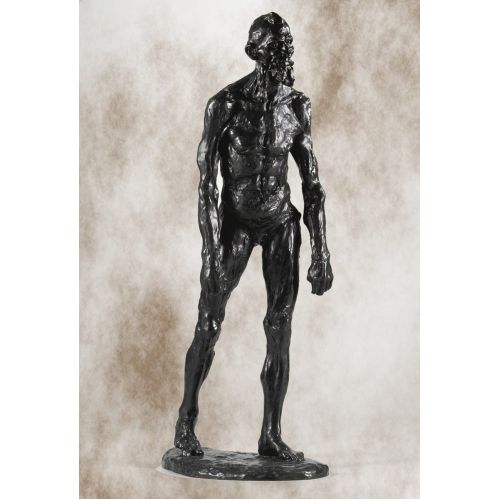
In 1877 Rodin returned to Paris, and in 1879 his former master Carrier-Belleuse, now director of the Sèvres porcelain factory, asked him for designs. He was rejected in various competitions for monuments to be erected in London and Paris, but eventually received a commission to make a sculpture for the City Hall in Paris. Meanwhile, he discovered his personal style in John the Baptist (1880). His success, and the success of The Age of Bronze in the Paris and Brussels salons in 1880, established his reputation as a sculptor at the age of 40.
Towards the Success of His Art
At an age when most artists had already completed a large body of work, Rodin was just beginning to approve of his personal art. The future Decorative Arts Museum received a government commission to build a bronze door, a grant that provided it with two workshops and advance payments financially secured it.
That bronze door would become the great effort of Rodin's life. Although commissioned for delivery in 1884, it was left unfinished upon his death in 1917. In the same year, he was recruited for the first time after his death. The theme of his scenes was borrowed from Dante's Divine Comedy and was eventually called the Gates of Hell. Its original concept was similar to that of 15th-century Italian sculptor Lorenzo Ghiberti on the Gates of Heaven for the Baptistery in Florence. However, his plans changed profoundly when he visited London in 1881 at the invitation of the painter Alphonse Legros. There Rodin saw many Dante-inspired Pre-Raphaelite paintings and drawings, above all hallucinatory works by William Blake. He turned his plans for The Gates into plans that would reveal a universe of shaken forms wracked with love, pain, and death. This inaccessible monument was the framework in which he created independent sculptural figures and groups, among them the famous Thinker, originally designed as a seated portrait of Dante for the top of the door. Rodin first exhibited it in 1888.
In 1884, Rodin found himself in charge of King Henry III of England to raise the year-long siege of the famine-ravaged city in 1347. Rodin completed work on The Burghers of Calais within two years, but the monument was not dedicated until 1895. In 1913, a bronze casting of the Calais group was installed in the Parliament gardens in London to commemorate the intervention of the English queen.
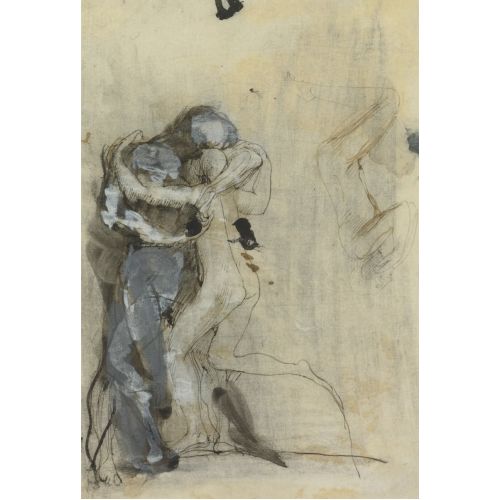
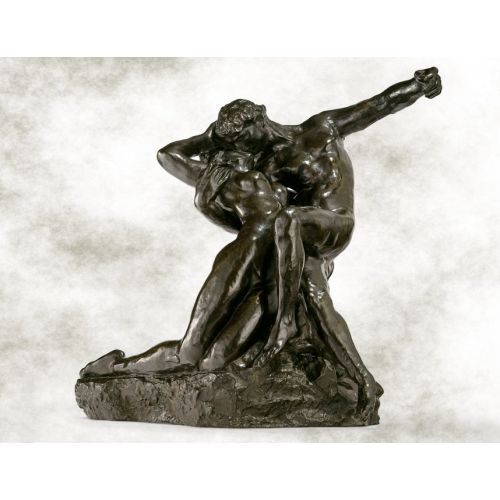
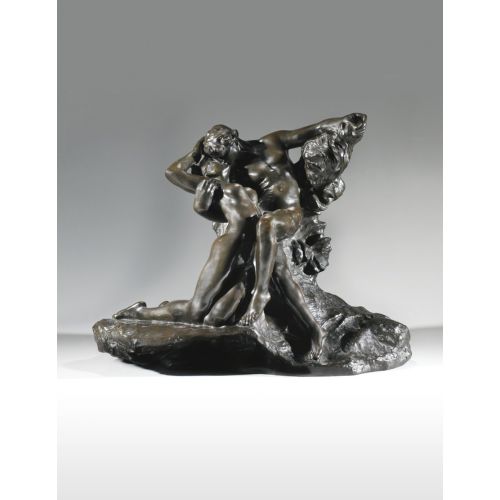
As the artist's majesty continued to grow, his private life was plagued by the numerous relationships into which his unbridled lust had dragged him into. In about 1885 she became the lover of Camille Claudel, the gifted sister of one of his students, the poet Paul Claudel. It proved to be a tumultuous love, beset by numerous controversies, but it lasted until Camille's frenzy brought it to an end in 1898. The bond between them was deep and followed nationwide. During the years of passion, Rodin sculpted numerous couples in the throes of desire. The most emotional of these bands was The Kiss, sometimes considered his masterpiece. Originally conceived as figures of Paolo and Francesca for The Gates of Hell, the work was first exhibited in 1887 and exposed it to numerous scandals.
Heritage
At the turn of the 20th century, Rodin was world famous and for a long time revered as the Michelangelo of modern times, a titan of sculpture, the embodiment of the power of inspiring genius. Even his immense sensuality was excused as a symbol of his Olympian stance. However, a quarter of a century later, criticism had become less uniform, pointing to elements in his work that belied his early life as a decorative sculptor and the accompanying lack of formal discipline. However, he made a tremendous impact on sculpture, and his numerous students from many countries helped spread his style. His example proved particularly fruitful for later French sculptors such as Charles Despiau, Aristide Maillol, and Antoine Bourdelle.
Most major museums have copies of his works, and museums in Paris, Philadelphia, and Tokyo are dedicated to him. Rodin's major contribution was to bring back Western sculpture to what has always been its fundamental strength, the knowledge and magnificent presentation of the human body. Its associations with great men like George Bernard Shaw and Nijinsky are uniformly eye-catching.