

Art and Public Health: Unifying Force and Healing Impact
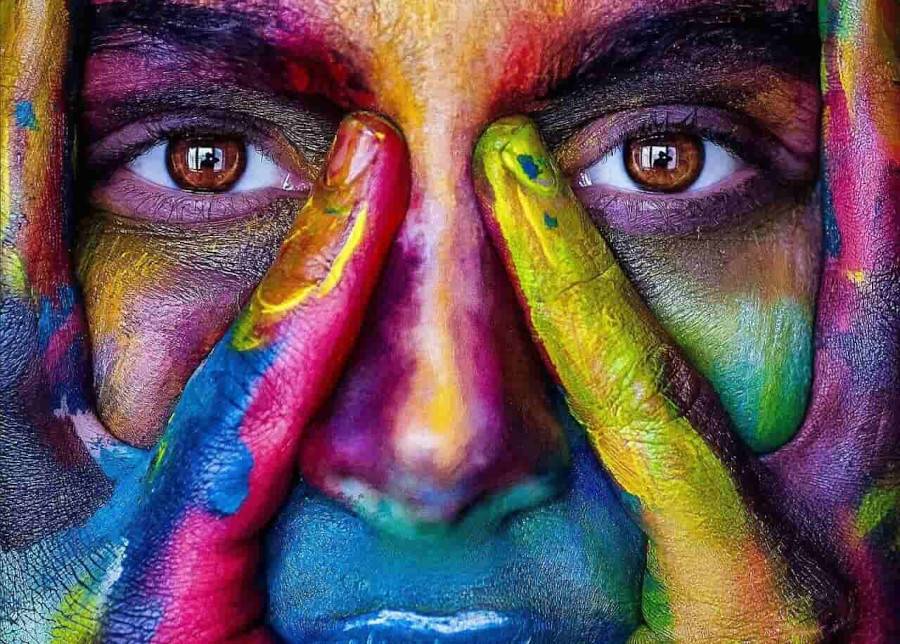
Although initially seeming like two disciplines that appear unrelated, the combination of these two fields contributes significantly to the social and emotional well-being of societies. The therapeutic aspects of art and its positive effects on people’s mental and physical health are increasingly being recognized. In this article, we will examine the relationship between art and public health and demonstrate how these two fields can come together to improve the overall health and quality of life of societies.
Therapeutic Aspects of Art
The therapeutic aspects of art have been used since ancient times to support people’s mental and emotional health. Artistic activities such as painting, music, dance, and theater have served as essential tools for coping with stress and expressing emotions. Additionally, these activities can assist in treating mental health issues and provide support for people coping with traumas.
Art and Physical Health
Art also has positive effects on people’s physical health. For example, dance and movement-based artistic activities improve participants’ physical parameters such as cardiovascular health, flexibility, and balance. Furthermore, regularly engaging in artistic activities enhances the quality of life and reduces the risk of chronic diseases.
Art and Society
The relationship between art and public health has significant effects at the societal level as well. The organization and popularization of artistic activities promote social cohesion, cultural understanding, and tolerance within communities. This helps people communicate better with each other and show respect for different life experiences. As a result, the overall peace and health of society are supported.
Art and Public Health Policies
The integration of art and public health policies is an essential strategy that should be adopted by governments and local administrations. Implementing these policies plays a significant role in reducing the physical and mental health burdens of communities and improving the quality of life. The integration of art and public health policies can be accomplished in the following ways:
- Art Therapy Programs: Governments and local administrations can organize or support art therapy programs to provide psychological support and treatment. These programs should specifically target vulnerable groups, such as trauma victims, individuals with disabilities, and the elderly.
- Art and Culture Centers: Expanding and increasing the accessibility of art and culture centers contribute to the social and cultural life of communities. These centers provide positive effects on people’s social and mental health by offering art education, exhibitions, events, and workshops.
- Art Education in Schools: Art education should have a significant place in school curricula. Art classes that develop children’s and adolescents’ creativity and emotional intelligence contribute to the development of mental and social skills.
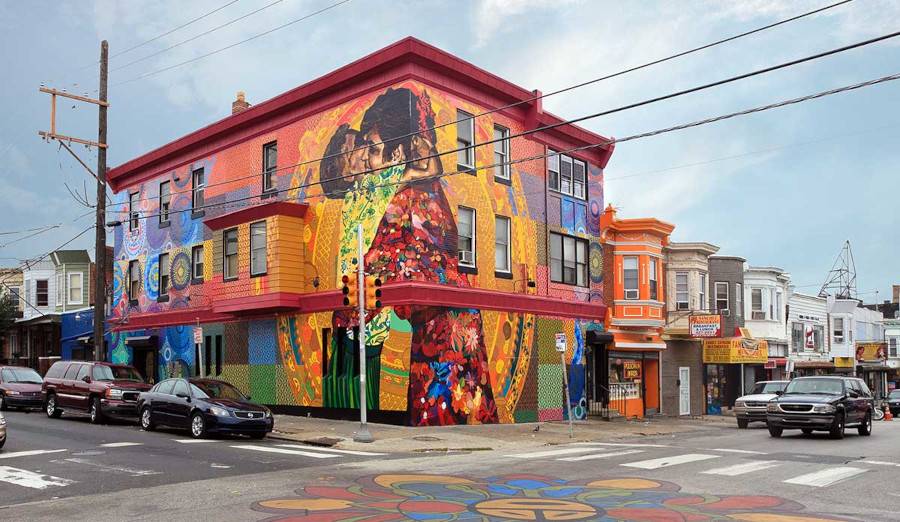
- Art in Public Spaces: Displaying art pieces and organizing events in public spaces expose communities to artistic and cultural values. This positively impacts people’s social and emotional well-being and contributes to public health.
- Art in Public Health Campaigns: Using art in public health campaigns helps deliver messages more effectively. Visual and auditory arts can be used as powerful tools to raise health awareness and guide people toward healthier lifestyle choices.
In conclusion, the integration of art and public health policies has the potential to improve the overall well-being and quality of life of communities. Therefore, governments and local administrations should prioritize integrating art and public health policies and collaborate in these areas. This will not only lead to positive effects on people’s mental and physical health but also enrich the social and cultural life of societies.