

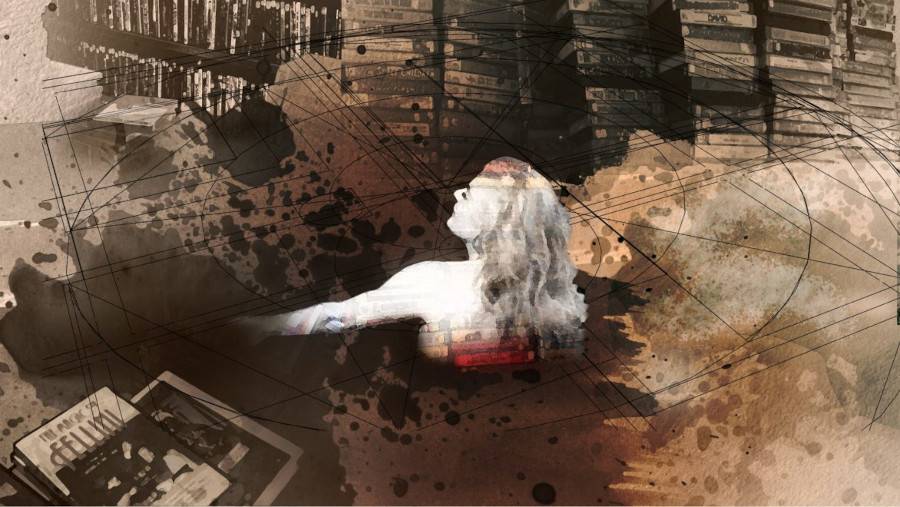
The Future of Art: Exploring the Limits of Creativity
The future of art, its continuous evolution and transformation, shows the freedom of expression and the desire to pursue the aesthetic experience by using people’s creativity and imagination. In the future, art forms and genres will continue to explore the limits of creativity by further diversifying.
Art has held an important place throughout human history. Through art, people have expressed limitations, conveyed them, and directed their dreams. As art is a field that needs creation and originality, it will continue to evolve and survival will continue to evolve with different genres.
Developing the future of art should also be considered. Digitization of art, that is, digital art, has gained significant popularity in recent years. Digital art allows creators to expand their boundaries and use their imaginations. Thanks to digital tools, they create more original and impressive works of content.
In the future, with the digitization of the machine, making the machine even more accessible. Art lovers will be able to discover works of art more easily and reach a wider audience around them. In addition, with the use of digital, its application and production will become faster and easier.
Another important factor in the future of art will be sustainability. Because the materials and resources used in artworks are limited, they will be more sensitive and responsible for sustainable materials. In addition, the use of environmentally friendly production techniques will increase.
-
New Technologies and Art
New technologies are an important factor shaping the future of art. Emerging technologies such as virtual reality, augmented reality, and artificial intelligence expand the forms of expression and experiences of art. These technologies allow artists to create new and impressive works of art, opening up possibilities never before imagined.
-
Intercultural Interaction and Art
Intercultural interaction and communication enables the dissemination and sharing of artistic ideas and practices around the world. This interaction allows artists from different cultural backgrounds to learn and be inspired by each other. Intercultural interaction fosters the universality and diversity of art, helping to create new and unique forms of artistic expression.
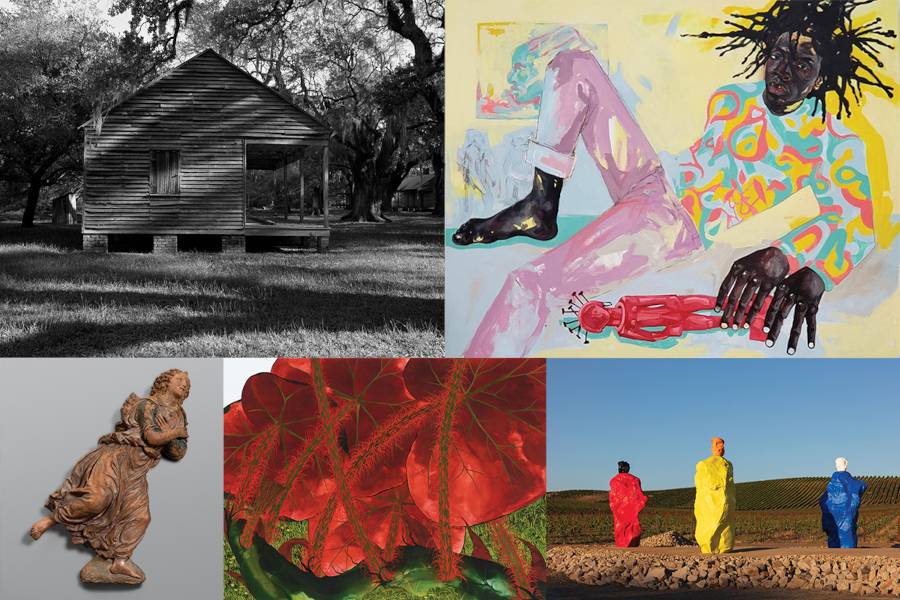
Various Art Images
-
Social and Political Impacts
Art can be used as a sensitive tool to social and political issues. By addressing issues such as human rights, the environment, inequality and justice, artists can use their art to raise awareness and bring about change in society. These artistic works help draw attention to important issues around the world by influencing people’s thoughts and feelings.
-
Art Education and Young Artists
Art education plays a critical role in raising the next generation of artists. Art education encourages creativity and critical thinking, helping young people develop their artistic talents and ways of thinking. Supported by education, young artists constantly push the limits of creativity by shaping the future of art.
Art forms and genres are the ever-changing reflections of people’s efforts to express themselves and make sense of the world using their creativity and imagination. In the future, the evolution and transformation of art will continue under the influence of social, political and technological factors. In the process, artists and audiences will continue to explore and expand the boundaries of artistic experience. The new generation of artists will shape the future of art and continue to convey the feelings, thoughts and experiences of humanity, with inspiration from different cultures, possibilities offered by new technologies, and sensitivity to social and political issues.