

Italian Art History
Consisting of some of the world’s most famous works of art and architecture, Italian art has long been the focus of world history. The exchange of cultural progress and popular “boots” has remained consistent over the centuries, resulting in the continuous production of monumental and magnificent works in all fields of culture and art. From classical times and ancient people who created the first civilization in the Apennine peninsula, the great Roman Empire, the leading cultural, political and religious center of the Western world, the glorious periods of the Renaissance and Baroque periods and the important Italian avant-garde movements of the last century, Italian art represents one of the greatest treasures of humanity. Its artists, museums, galleries and trends have always been closely associated with intellectual and religious movements, reflecting the concepts of their time and shaping an exceptional, inexhaustible legacy. A country where life itself is considered an art form, Italy continues to contribute to the diversity and enrichment of its own and world culture by celebrating the abundance and importance of its tradition.
Roman And Etruscan Art
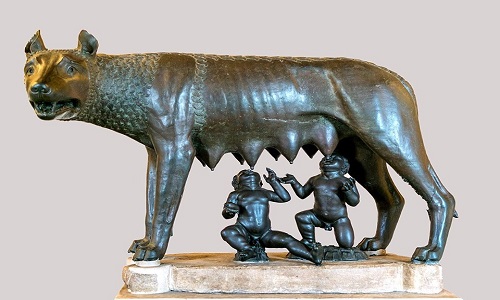
The central role in the history of Italian art has always been played by Rome, starting from the 9th century BC and the Etruscan arts. When the capital began to build the empire on the Apennine peninsula; bronze figures, terracotta reliefs, paintings and frescoes were standard in the style and technique that would be followed in the centuries to come. Etruscan frescoes found on tomb walls are still considered the most important examples of pre-Roman figurative paintings known to scholars. It was made of fresh plaster and natural colors, mostly from stones and minerals, and was applied with brushes made of animal hair. These works mostly depicted everyday life landscape and traditional mythological scenes. In the middle of the 4th century, the famous chiaroscuro technique began to be used to depict volume and depth.
Roman And Etruscan Art, Italian Art History
Etruscan also had a great influence on Roman architecture, one of the backbones of the great empire that emerged later in the 1st century AD. With civilization came culture and art, Rome became the most developed city in the world. The works have become symbols of wealth and abundance, with murals adorning the houses and statues placed in every corner of the house and garden. The Romans decorated the floors with mosaics depicting historical everyday scenes, often events from Greek and Roman mythology. He was influenced by Eastern art and religion, especially the Byzantine empire, and in the capital city of Constantinople, Roman art began to incorporate Christian motifs and developed the production of mural painting, mosaic ceiling and floor work, as well as funerary sculptures.
The trend continued into the Middle Ages, when Byzantine art in Italy developed into highly formal and elegant decoration, with standardized calligraphy and the admirable use of gold and color. At this point, art in Italy was highly regional, influenced by external European and Eastern currents. Another important style was the Gothic style, which marked the transition from the medieval to the Renaissance period. During religious debates within the church, the Franciscan orders of priests wanted to bring the Catholic Church back to its foundations, introducing Gothic architecture first into northern Europe and then southwards into Italy.
Renaissance Period in Italy
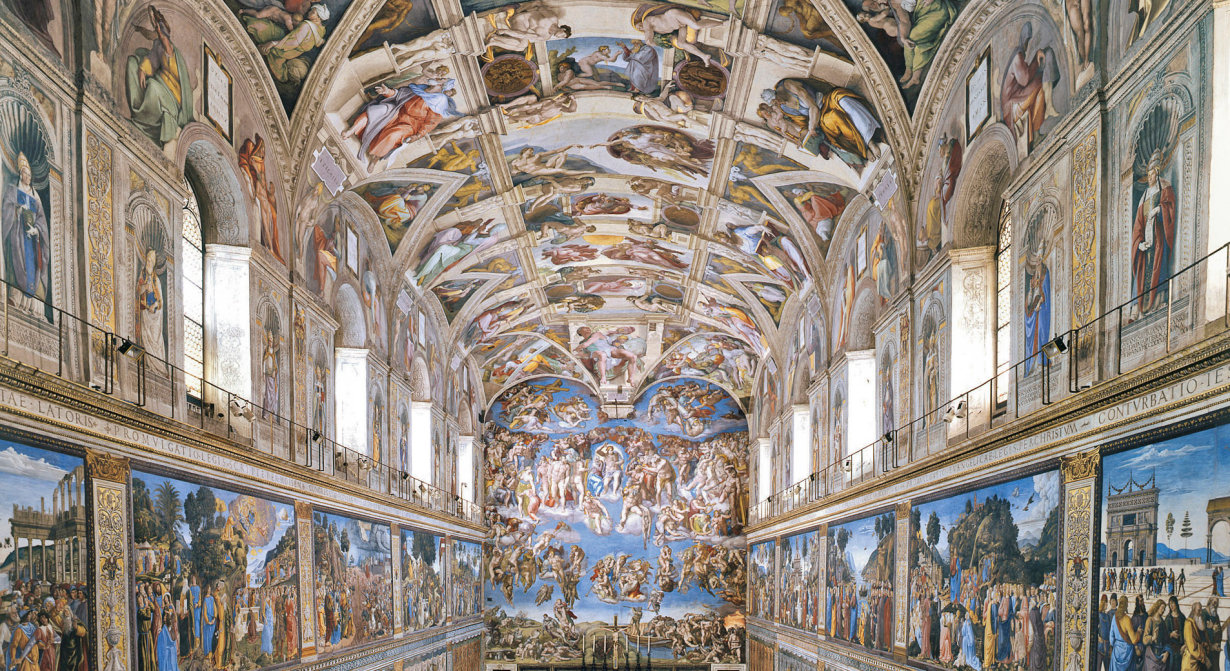
Certainly the most famous period in Italian art history, the Renaissance marked the period between the end of the 13th century and the end of the 16th century. He started with painters and sculptors who wanted to give their works a spiritual quality and evoke a deep religious meaning. They also wanted to portray people and nature realistically. This was also reflected in Renaissance architecture, where architects designed colossal cathedrals to highlight the glory of God and bring the human spirit into humility.
Italian Art History, Renaissance Period, Sistine Chapel